STORE FINDER


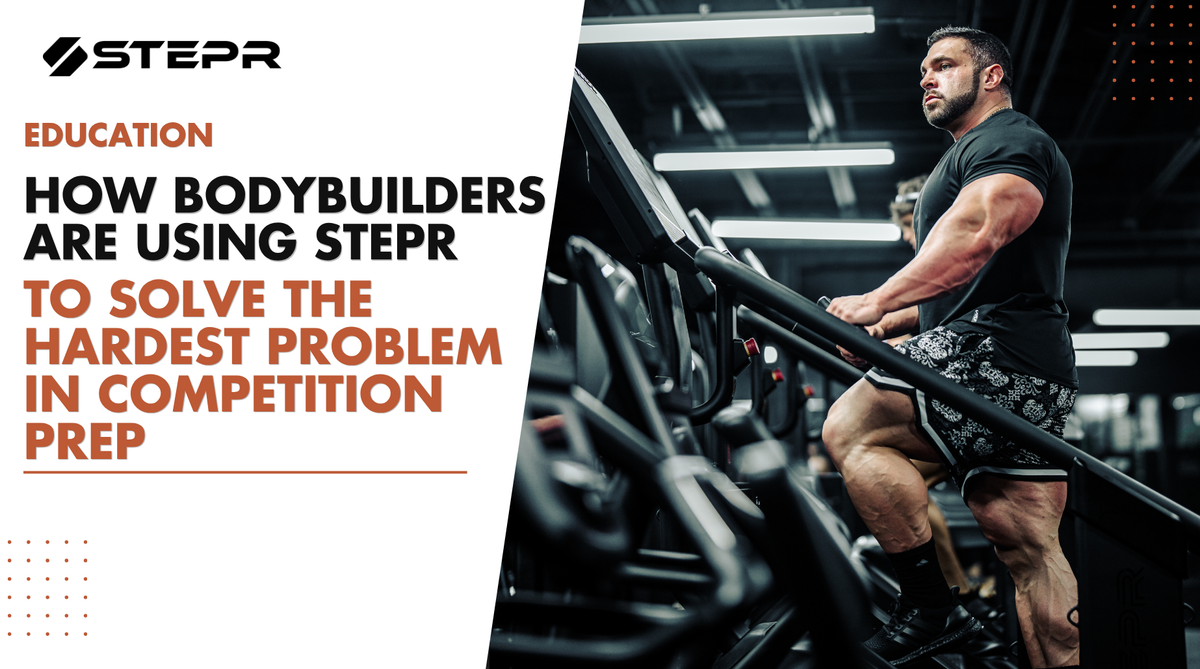
How Bodybuilders Are Using STEPR to Solve the Hardest Problem in Competition Prep
The champ that nobody thought was coming back
In October 2025, Derek Lunsford stood on the Mr. Olympia stage in Las Vegas and did something only one man had done in the modern era of the sport. He won the Sandow Trophy back, a full year after losing it.
Jay Cutler did it once, in 2009. Before Lunsford, nobody else had managed it in over a decade and a half of stacked, increasingly competitive Mr. Olympia fields.
The story behind that comeback matters, because 2024 was not kind to Lunsford. He fell to third place at that year's Olympia, watched Samson Dauda take the title he had won in 2023, and then lost his longtime coach Hany Rambod to retirement at the end of the season. For most athletes, that combination, a lost title, a retired coach, and a full year to sit with both, would be the setup for a slow fade.
Instead, Lunsford rebuilt. New coaching team. Refined approach. And by the end of 2025, he had completed what he called his Triple Crown: winning the Arnold Classic, the Pittsburgh Pro, and Mr. Olympia in the same calendar year, becoming the first bodybuilder in history to cross $1 million in competition earnings within twelve months.
With Mr. Olympia 2026 running September 21 through 27 in Las Vegas, that comeback is the story the entire bodybuilding world is watching and waiting to see what happens. 
Where STEPR fits into the story
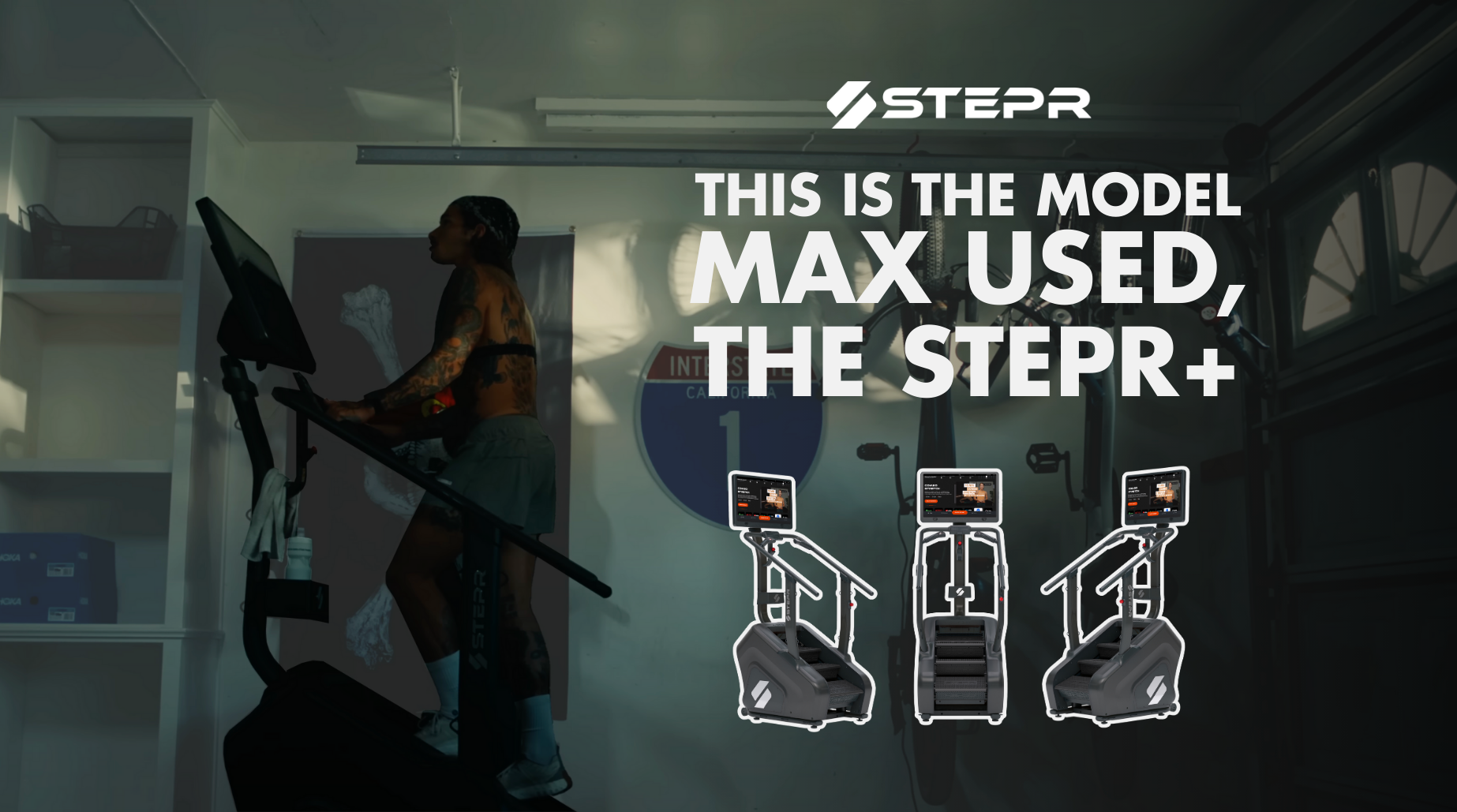
STEPR has been part of Derek Lunsford's training for years, well before the 2025 comeback. The partnership started with Lunsford publicly comparing the STEPR XL to the traditional Stairmaster he had trained on for most of his career, and the differences he pointed to were not cosmetic.
"Cardio isn't just about burning calories, it's about maintaining the quality of muscle while getting shredded," Lunsford has said of his approach. "The STEPR stair climber lets me push hard without feeling like I'm grinding my body down. I can go aggressive when I need to, or dial it back during heavy training blocks."
That distinction, between cardio that burns calories and cardio that preserves the muscle you spent a year building, is the exact problem every competitive bodybuilder is trying to solve during contest prep. It is also where STEPR's actual advantage over traditional stair climbers shows up for this specific athlete population. Watch Derek's quick breakdown of the STEPR Connected 27" console versus the Stairmaster here.

The specific problem bodybuilders have with cardio
Every bodybuilder in contest prep faces the same tension. You need a calorie deficit and a cardiovascular stimulus to strip fat and reveal the muscle underneath. But the same fatigue and joint stress that comes with high volume cardio also compromises your ability to train heavy in the gym, and heavy training is what preserves the muscle mass you are trying to reveal, not bury.
Running is the traditional answer, and it is also the worst answer for most competitive bodybuilders. The repetitive impact on joints already carrying significant mass, combined with the interference effect that excessive running has on strength adaptation, makes it a poor fit for anyone whose primary goal is muscle preservation during a cut.
Stair climbing solves this differently. It produces genuine cardiovascular output, comparable calorie burn to running at a given intensity, without the joint impact. The vertical loading pattern also keeps the posterior chain engaged throughout the session, which matters for a physique athlete who cannot afford to have cardio quietly eating into leg development during the exact weeks when conditioning matters most.
This is the training method Lunsford has described repeatedly: cardio sessions that let him show up to his lifting sessions without the accumulated fatigue that running or excessive HIIT produces.
Inside the protocol
Lunsford's approach to STEPR sessions during contest prep is not a single fixed workout. It is a framework that adapts to where he is in his training cycle, and that adaptability is the piece most amateur competitors miss when they try to copy elite programming.
During heavy lifting blocks, cardio volume and intensity scale down. The priority is recovery capacity for the weight room, and Lunsford has been explicit that pushing cardio too hard on heavy training days undermines the actual muscle building work that has to happen in prep. On lighter training days or deep into peak week, cardio intensity and frequency increase, because the priority shifts toward conditioning and fat loss as the show approaches.
Across a full prep, this typically means five to six STEPR sessions per week, with duration and intensity varying between 40 and 60 minutes depending on the phase. The resistance and pace change constantly. What stays consistent is the low impact nature of the movement, which is what allows that frequency to be sustainable without the joint breakdown that would come from running five to six times a week at competition prep body weight. 
What any bodybuilder can take from this, regardless of level
You do not need to be chasing a pro card to apply the same logic Lunsford does. The core problem, needing cardiovascular conditioning without sacrificing the muscle you are working to build or reveal, exists at every level of the sport, from a first time NPC competitor to an IFBB pro on the Olympia stage.
For competitors early in a prep: Establish your cardio base on a stair climber before dieting gets hard. Three to four sessions per week at a sustainable resistance builds the aerobic capacity you will need later in the cut, when your recovery bandwidth is already stretched thin by a growing calorie deficit.
For competitors deep in peak week: This is where low impact cardio earns its keep most obviously. Your joints, tendons, and central nervous system are under maximum strain from the combined stress of dieting, water manipulation, and continued heavy training. A stair climber lets you add the conditioning volume you need without adding the kind of impact stress that risks an injury in the final weeks before a show.
For coaches programming for multiple athletes: The variability in a STEPR session, adjustable resistance, adjustable pace, low learning curve, makes it straightforward to program consistently across an entire roster of competitors at different experience levels and different points in their prep, without needing separate equipment or separate protocols for each athlete.
For off season bulking phases: Cardio does not disappear in the off season, it just changes purpose. Maintaining cardiovascular health and mobility while eating in a surplus is what keeps the transition into the next prep manageable rather than starting from zero. Two to three STEPR sessions per week during a bulk maintains that base without eating into recovery from heavy training.
Why this matters going into Olympia week
With the 2026 Olympia weekend starting September 21 in Las Vegas, Lunsford steps back on stage as the defending champion for the first time since his comeback, carrying the weight of a title he fought a full year to get back. Whatever happens on that stage, the conditioning work behind it started months earlier, in the same repetitive, unglamorous cardio sessions that every competitor, from amateur to pro athlete, has to grind through.
The equipment does not win the show. But the ability to train hard, recover, and show up conditioned without breaking down along the way is what separates athletes who peak correctly from athletes who do not. That is the problem STEPR was built to solve, and it is the same problem every bodybuilder reading this is trying to solve in their own prep, regardless of what stage they are ultimately walking onto.

Frequently Asked Questions:
Does Derek Lunsford actually use STEPR for his Mr. Olympia training?
Yes. Derek Lunsford is a confirmed STEPR athlete partner and has publicly discussed using the STEPR+ stair climber as a core part of his contest prep cardio, both in his own content and in STEPR's published interviews with him.
When is Mr. Olympia 2026?
The 2026 Olympia weekend runs September 21 through 27 in Las Vegas, with amateur competition early in the week and the professional Men's Open Mr. Olympia judging and finals later in the weekend.
How many Mr. Olympia titles has Derek Lunsford won?
Derek Lunsford has won the Men's Open Mr. Olympia title twice, in 2023 and 2025. He also won the Men's 212 Olympia title in 2021. His 2025 win made him the first bodybuilder since Jay Cutler in 2009 to reclaim the Open title after losing it the previous year.
Why do bodybuilders prefer stair climbing over running for contest prep cardio?
Stair climbing produces comparable cardiovascular output to running with significantly less joint impact, which matters for athletes carrying substantial muscle mass through a calorie deficit. It also engages the posterior chain throughout the session, helping preserve leg development that pure low impact cardio like cycling does not stimulate.
How many cardio sessions per week should a bodybuilder do during contest prep?
This varies by phase and individual, but a common structure used in elite contest prep is five to six stair climbing sessions per week, ranging from 40 to 60 minutes, with intensity scaled down around heavy lifting days and scaled up as the competition approaches and fat loss becomes the priority.
Explore the Full STEPR Range | Find out about VPR Technology | FREE STEPR Matchmaking Quiz | Discover More STEPR Blogs and Helpful Tips | STEPR Store Finder
[Or Click the Button Below to Shop Now]
STEPR Blog posts
Every Question You Have About the STEPR TREAD Answered
Back to School: How Parents Are Reclaiming Their Fitness With the School Run
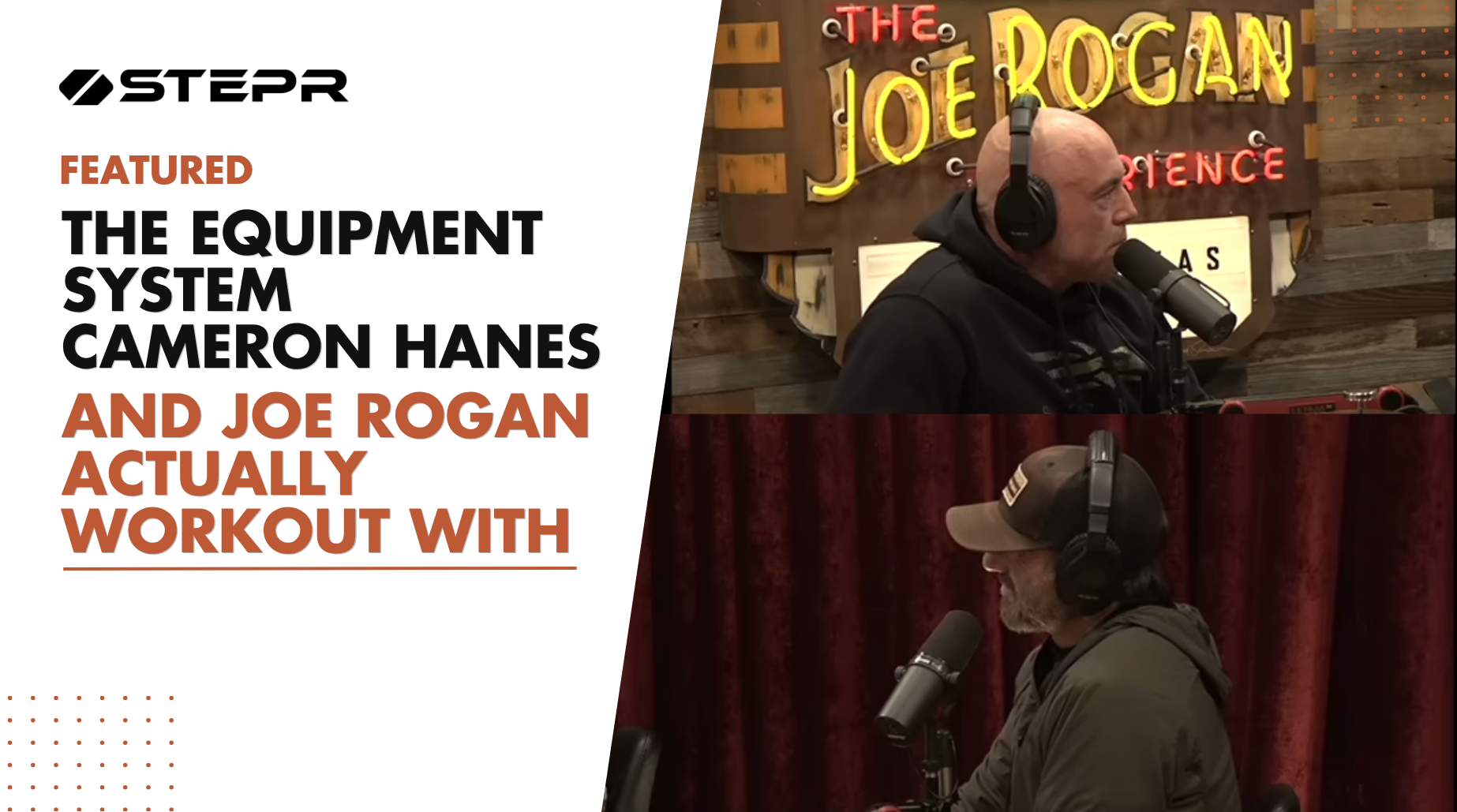
The Equipment System Cameron Hanes and Joe Rogan Actually Workout With
Joe Rogan called it "the Echo Bike, but times two." Now Cameron Hanes is training with STEPR VPR™ in a hypoxic wellness studio. Here is what they are using and why the world's most relentless athletes keep choosing it.
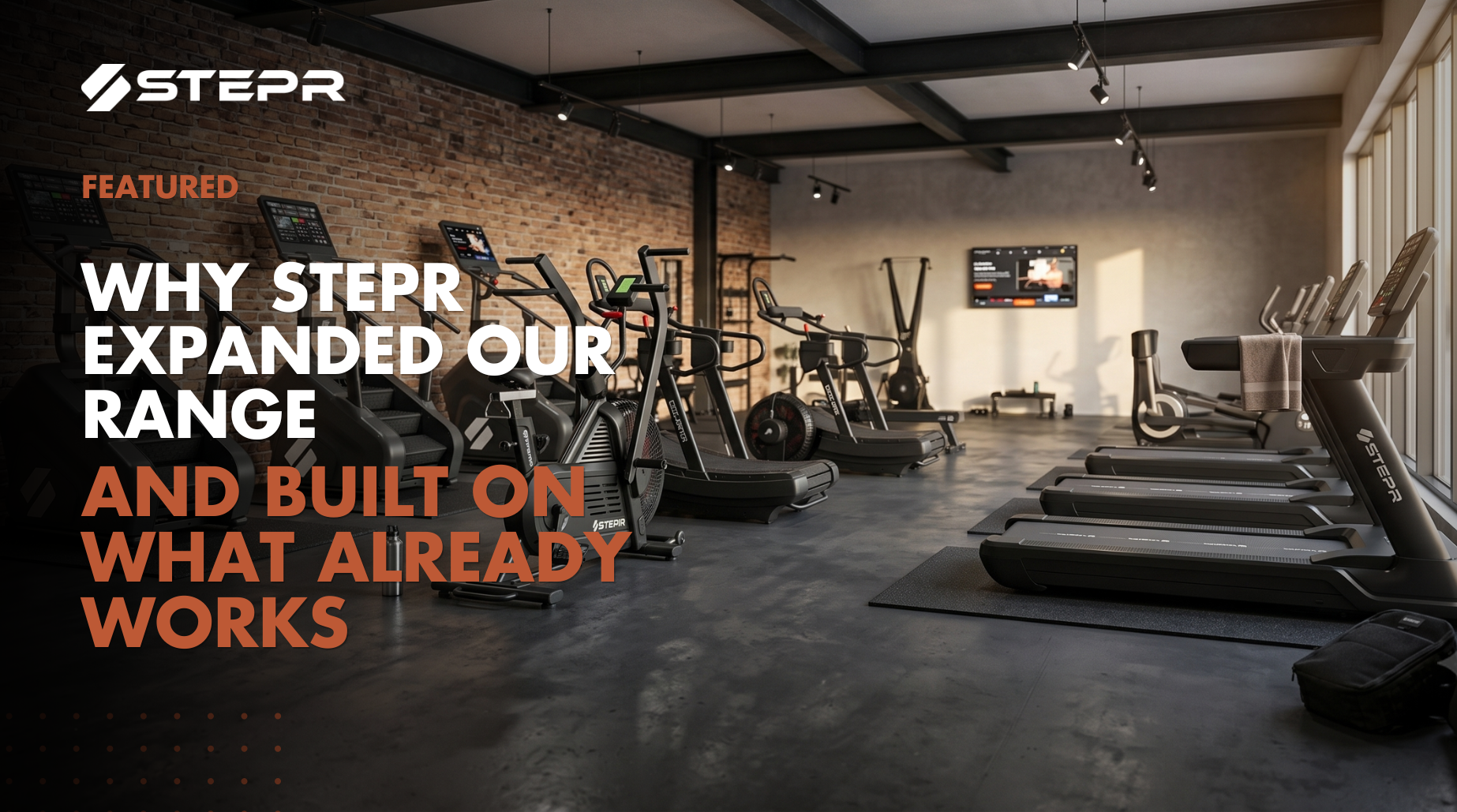
Why STEPR Expanded our Range and Built on What Already Works
STEPR was built on a simple premise: the most effective training modalities already exist. The question was never "what to invent from scratch" it was "how do we bring genuine innovation to what already works". Here is why the range looks the way it does.

Home Cardio Machines: Why Value Beats Price Every Time
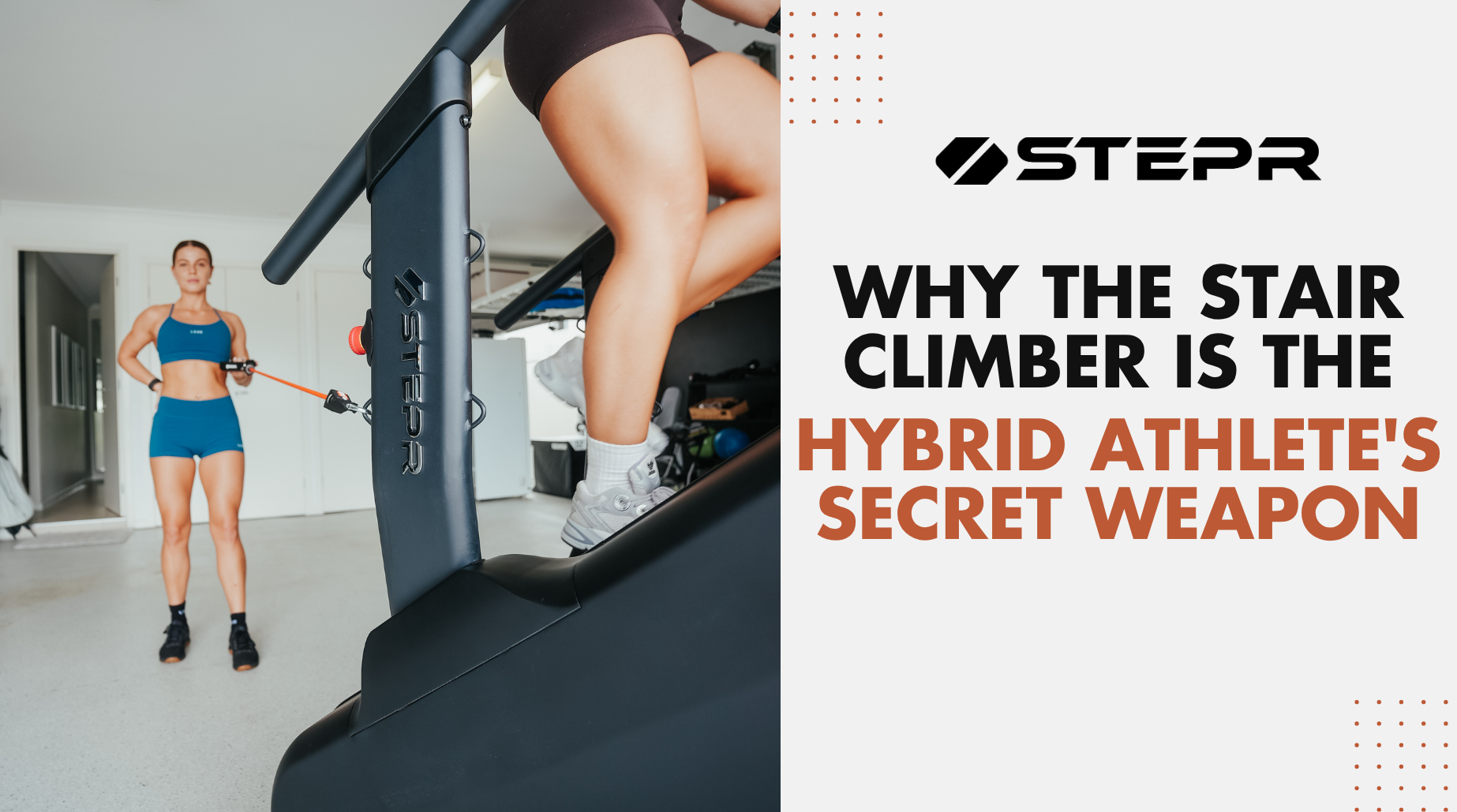
Why the Stair Climber Is the Hybrid Athlete's Secret Weapon
STEPR Community Surpasses 500 Million Steps: A Milestone Worth Celebrating
Why the UFL Chose STEPR to Train Its Professional Athletes
The 45-7-6 Stair Climber Workout: What the Science Says

It's Our Anniversary: Celebrating STEPR's Biggest Birthday Yet
STEPR Partners with CrossFit Semi-Final Legends Championship in California