STORE FINDER



Why the Stair Climber Is the Hybrid Athlete's Secret Weapon
Something significant has shifted in how serious people train.
For decades, the fitness world ran on a binary. You were either a lifter or a runner. Either you chased a one rep max or you chased a marathon time. The equipment, the programming, the culture, and the community were almost entirely separate. Cardio was what you did to burn fat. Strength was what you did to build muscle. The two stayed in their lanes. That era is over.

The hybrid athlete is the new standard
HYROX, the indoor fitness race that combines running with functional strength stations, grew from 600 participants globally in 2018 to over 550,000 in 2025. In 2026 there are more than 100 events on the global calendar. It is one of the fastest-growing participation sports in history, and what it represents is bigger than a race format.
It represents a complete recalibration of what a fit person looks like. Not just strong. Not just aerobically capable. Both, simultaneously, at a level that holds under fatigue. The hybrid athlete can squat heavy, then run a kilometre, then carry a sled, then run again. That demands a training approach and equipment that serves both engines at once, not one or the other.
The ACSM's 2026 fitness trend report lists functional fitness training and longevity as top ten priorities, both of which align directly with the hybrid model. Research on concurrent training, the scientific term for combining endurance and resistance work, confirms that strength, cardiovascular fitness, and body composition can all improve simultaneously when the programme is built correctly.
The question is what the cardio component of that programme looks like. And most people are getting it wrong.

Why most cardio fails the hybrid athlete
The hybrid athlete's cardio has a specific job. It needs to build the aerobic engine, the mitochondrial density, cardiovascular output, and lactate clearance capacity that allows strength work to keep performing late in a session or late in a race. Zone 2 training, sustained effort at 60 to 70% of maximum heart rate, is the primary tool for this. It is not glamorous. It is not the kind of cardio that generates viral content. But it is what separates a hybrid athlete who fades in the back half from one who holds pace and power across the full duration.
Most common cardio machines deliver Zone 2 work adequately for beginners and then stop developing the athlete. Seated bike ergometry recruits the lower body but removes the postural and core demands that functional fitness requires. Flat treadmill walking at moderate pace sits below the intensity threshold for meaningful aerobic adaptation in conditioned individuals. Ellipticals provide movement without the vertical load and muscular recruitment that translates to real world strength endurance.
The hybrid athlete needs cardio that simultaneously builds the aerobic system and keeps the specific muscles they train under sustained load. That combination is rarer than it should be in most home gym and commercial gym setups.

Where stair climbing sits in the hybrid model
EMG studies measuring muscle activation during stair climbing consistently show high-level recruitment of the gluteus maximus, quadriceps, hamstrings, and gastrocnemius simultaneously throughout the movement pattern. These are among the largest muscle groups in the human body. Working them at moderate to high intensity, sustained over 30 to 45 minutes, produces a training stimulus that functions as both cardiovascular conditioning and muscular endurance work in the same session.
This is why the stair climber sits at the exact intersection the hybrid athlete needs. It builds the aerobic engine through sustained elevated heart rate. It develops lower body strength endurance through the repeated loading of the posterior chain and quads. It does both without the joint stress of running, which means it can be stacked alongside strength training sessions without the recovery cost that high-impact cardio extracts.
A 2021 systematic review confirmed that combining aerobic and strength training does not blunt muscle growth or maximal strength compared to lifting alone, provided sessions are separated by approximately three hours. Stair climbing as the cardio component of a concurrent training programme is a logical choice precisely because the movement demands overlap with, rather than compete with, the muscular systems strength training targets.

The HYROX application specifically
HYROX stations include sled push, sled pull, burpee broad jumps, rowing, ski erg, sandbag lunges, wall balls, and farmers carries. Each of these requires sustained lower body power output under cardiovascular load. The athlete who performs best is not the one who is strongest at each individual station. It is the one whose aerobic engine allows them to enter each station with heart rate managed and legs that still have power to deliver.
Stair climbing trains exactly that capacity. The sustained vertical load at controlled intensity develops the ability to maintain lower body output while heart rate is elevated, which is the precise demand of every HYROX station after the first kilometre of running. Athletes who incorporate regular stair climbing into their HYROX build report better station to station recovery and more consistent power output in the latter half of the race.
Beyond HYROX, the same principle applies to any training split that pairs strength and cardio. Three to four days of lifting alongside two to three days of stair climbing at Zone 2 intensity builds the complete athlete that the hybrid model describes, without the injury accumulation that high frequency running creates in the same programme.

Resistance range as the deciding variable
The hybrid athlete's cardio needs to scale with them across the full arc of their development. Early in a training block, Zone 2 on a stair climber might sit at a relatively modest resistance level. Eight weeks in, as aerobic capacity improves, the same resistance level no longer challenges the cardiovascular system sufficiently. The session becomes maintenance rather than development.
This is where machine choice becomes the limiting factor in hybrid athlete programming. A machine with 10 to 20 resistance levels runs out of progression headroom within the first few months for a motivated, consistent trainer. A machine with over 100 levels of real-time progressive resistance continues to deliver meaningful aerobic stimulus regardless of where the athlete's current fitness sits.
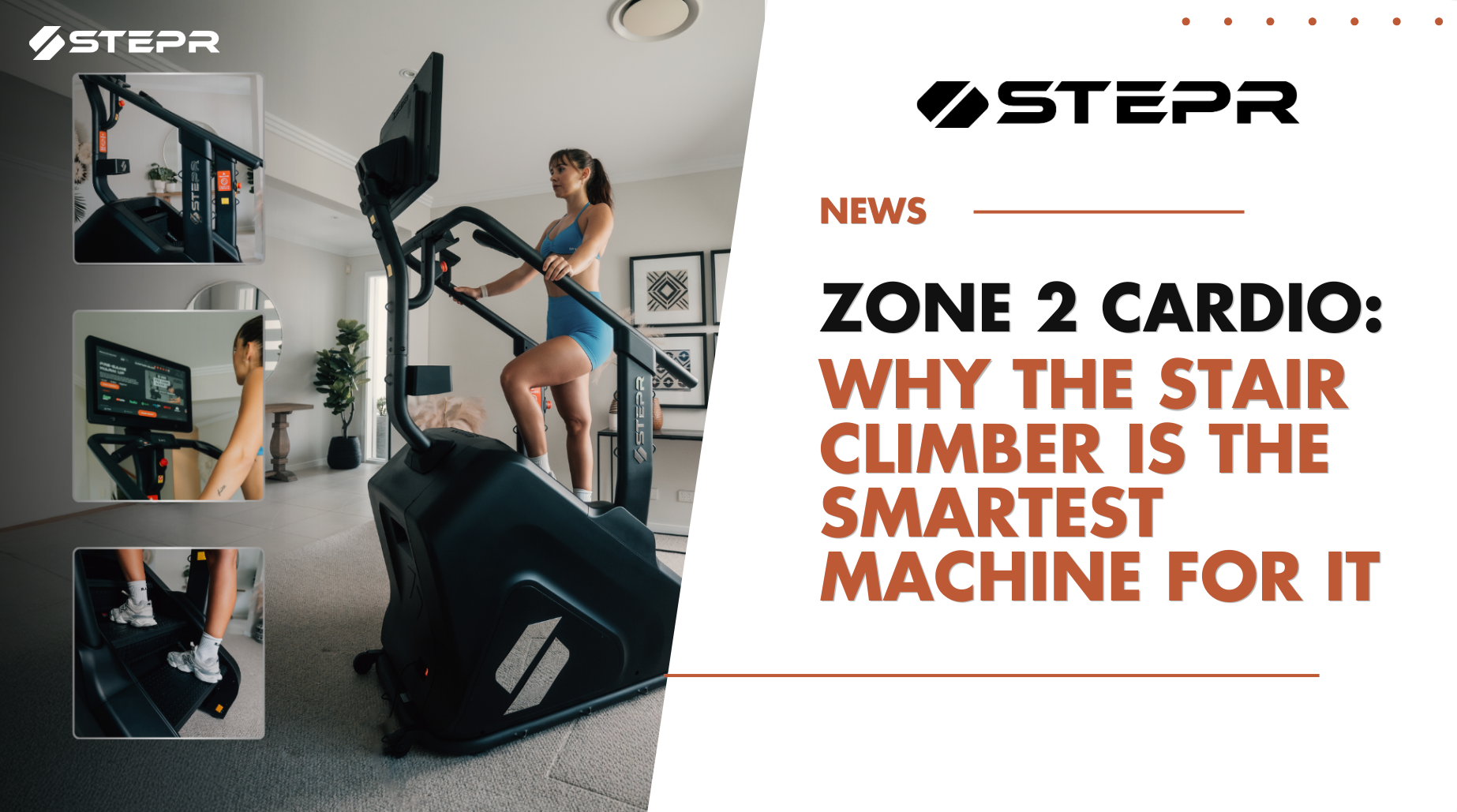
STEPR's VPR™ technology was designed to solve exactly this. The variable pitch resistance system adjusts in real time based on output, delivering a resistance range that scales from early stage aerobic base building through to the high intensity interval work that pushes cardiovascular ceiling in advanced hybrid programmes. The machine does not become the bottleneck. Training capacity does.
For the hybrid athlete running an eight to twelve week HYROX build, or any concurrent programme pairing lifting with purposeful cardio, STEPR provides the aerobic engine work that the training model demands on a single machine that can hold the progressive load the entire block requires.

Building the hybrid week
A practical hybrid week for most people combines three to four lifting sessions with two to three cardio sessions, prioritising at least one full recovery day. The stair climber sessions sit at Zone 2 intensity for 30 to 45 minutes on most days, with one session per week pushing into higher intensity intervals to develop aerobic ceiling alongside the base.
The order matters. Most research supports cardio either in a separate session from strength or at least three hours after lifting to minimise interference with strength adaptations. Morning lifting and afternoon stair climbing, or separate training days, both work well.
The result, sustained over eight to twelve weeks, is the dual adaptation the hybrid model promises: strength that holds up under cardiovascular load, and a cardiovascular engine that keeps lower body power output consistent from station one to the finish.
That is what the best athletes in the fastest growing fitness movement in the world are building. And the stair climber, at the right resistance, with the right progression, is one of the most direct tools for building it.
FAQ'S:
What is a hybrid athlete?
A hybrid athlete is someone who trains both maximal strength and cardiovascular endurance simultaneously rather than specialising in one. The model is defined by the ability to perform heavy compound lifts and sustain high cardiovascular output under fatigue, often in the same session or event. HYROX, which combines running with functional strength stations, is the most prominent competitive expression of this approach in 2026.
Is a stair climber good for HYROX training?
Stair climbing is one of the most functional cardio tools for HYROX preparation. The sustained posterior chain loading under cardiovascular demand directly develops the capacity to maintain lower body power output when heart rate is elevated, which is the defining challenge across every HYROX station. It also carries a significantly lower injury risk than high frequency running, making it a sustainable addition to a training block that already includes multiple strength sessions per week.
Can I build my aerobic base on a stair climber?
Research confirms that stair climbing at Zone 2 intensity, roughly 60 to 70% of maximum heart rate, produces meaningful improvements in VO2 max, cardiovascular efficiency, and mitochondrial density over eight to twelve week intervention periods. It is an effective and low impact tool for aerobic base building, particularly for athletes who want to reduce the injury accumulation of running while maintaining the intensity required for genuine cardiovascular adaptation.
Does cardio interfere with strength gains?
A 2021 systematic review found that concurrent training, combining aerobic and resistance work in the same programme, does not significantly blunt muscle growth or maximal strength compared to resistance training alone. The primary consideration is session sequencing: separating cardio and strength by at least three hours reduces the interference effect. The only consistent tradeoff is slightly reduced explosive power development, which is manageable for most hybrid training goals.
How do I structure a hybrid training week?
Most hybrid programmes pair three to four strength sessions with two to three cardio sessions and one full recovery day. Stair climbing slots naturally as the cardio component because it builds lower body strength endurance alongside the aerobic system, complementing rather than competing with the posterior chain and quad work in most lifting splits. Zone 2 sessions of 30 to 45 minutes form the base, with one higher intensity interval session per week to develop aerobic ceiling.
What makes STEPR suitable for hybrid training?
Hybrid training requires a cardio machine that can scale with the athlete across a full training block and beyond. STEPR's VPR™ technology provides over 100 levels of real time progressive resistance, ensuring the aerobic stimulus remains challenging as fitness improves rather than plateauing within the first few months. The stair climbing movement pattern also develops the specific muscular endurance, glutes, quads, hamstrings, and core, that hybrid athletes rely on across functional fitness demands.
Explore the Full STEPR Range | Find out about VPR Technology | FREE STEPR Matchmaking Quiz | Discover More STEPR Blogs and Helpful Tips | Invest in STEPR
[Or Click the Button Below to Shop Now]

STEPR Blog posts

Win an $8,000 Sisu Sauna With Any STEPR Purchase This October Only
Any STEPR purchase this month enters you into the draw for a Sisu barrel sauna worth over $8,000. Here is who this giveaway is built for and how to train and recover with both.
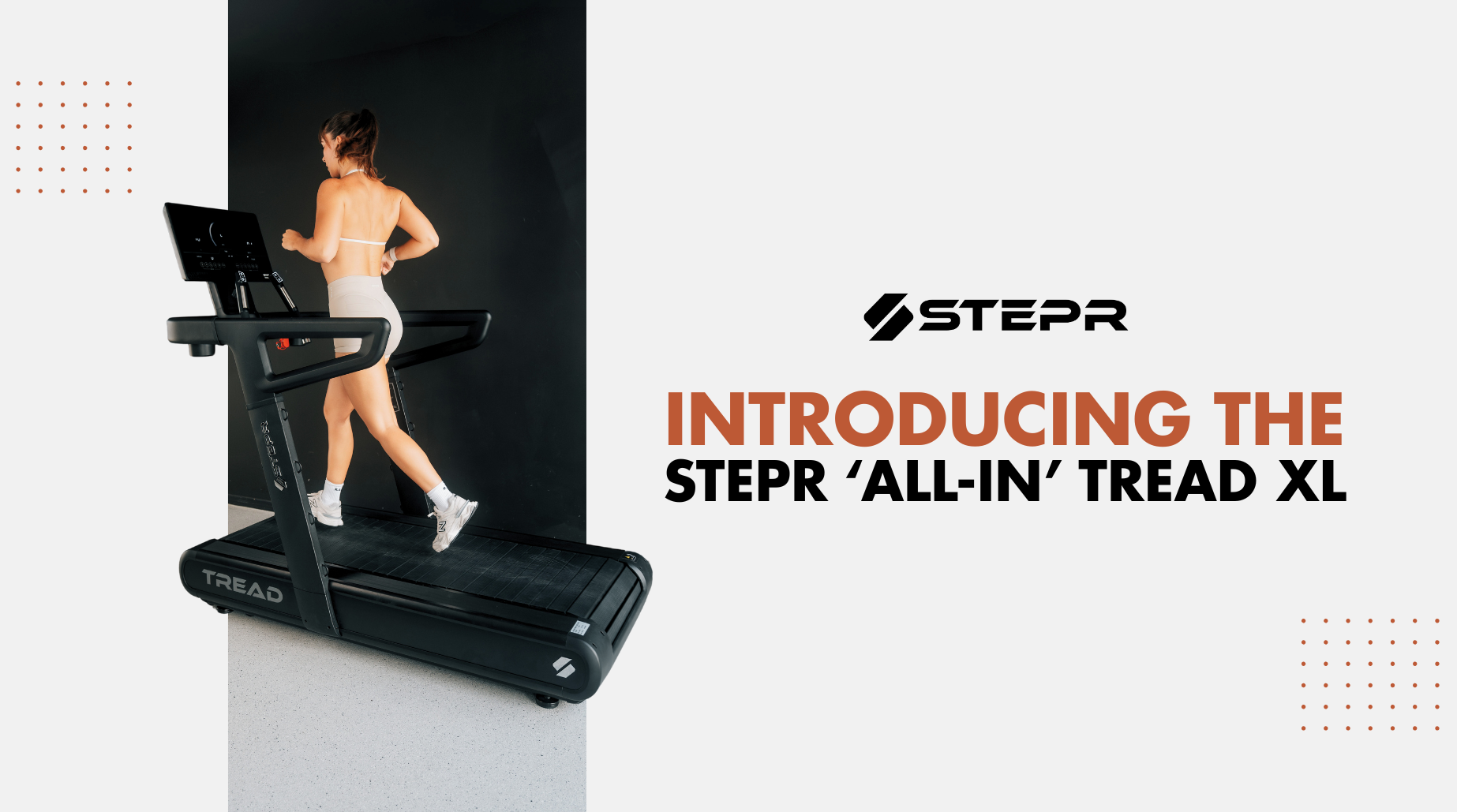
Every Question You Have About the STEPR TREAD Answered
Back to School: How Parents Are Reclaiming Their Fitness With the School Run

The Equipment System Cameron Hanes and Joe Rogan Actually Workout With
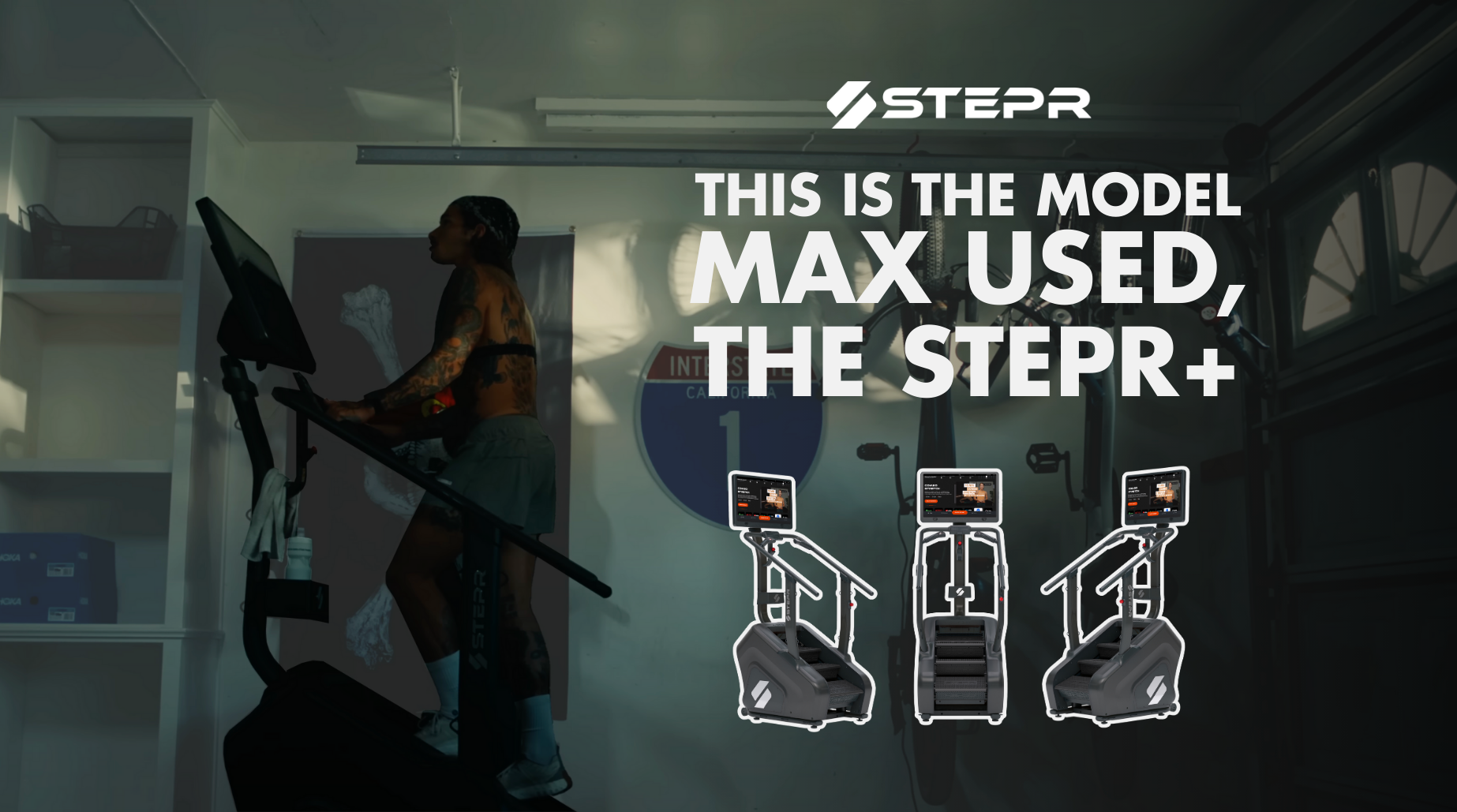
Joe Rogan called it "the Echo Bike, but times two." Now Cameron Hanes is training with STEPR VPR™ in a hypoxic wellness studio. Here is what they are using and why the world's most relentless athletes keep choosing it.
Why STEPR Expanded our Range and Built on What Already Works
STEPR was built on a simple premise: the most effective training modalities already exist. The question was never "what to invent from scratch" it was "how do we bring genuine innovation to what already works". Here is why the range looks the way it does.

Home Cardio Machines: Why Value Beats Price Every Time
Why the Stair Climber Is the Hybrid Athlete's Secret Weapon
STEPR Community Surpasses 500 Million Steps: A Milestone Worth Celebrating
Why the UFL Chose STEPR to Train Its Professional Athletes
The 45-7-6 Stair Climber Workout: What the Science Says

It's Our Anniversary: Celebrating STEPR's Biggest Birthday Yet