STORE FINDER


Home Cardio Machines: Why Value Beats Price Every Time
The average budget treadmill or stairclimber is designed for three hours of use per week. Most people who train seriously exceed that in a fortnight. Within two to three years, the motor has burned out, the belt has gone, or the electronics have packed it in and the parts are often discontinued. So the machine that cost $400 ends up costing $800 once you factor in repairs, a replacement unit, and the months you lost momentum waiting for a fix.
The question people are actually asking: 'what is the best and most affordable home cardio equipment', is worth answering honestly. The word "affordable" is doing a lot of heavy lifting. Cheap upfront and affordable over time are two very different things.

What "affordable" really means over five years
Budget cardio machines are engineered to a price point, not a performance standard. Consumer grade step machines, entry level treadmills and flat pack ellipticals are typically built with plastic gears, motors under 3HP, thin belts and basic electronics rated for light, intermittent use. Industry data from commercial fitness equipment specialists consistently shows these machines failing within 24 to 36 months under regular training loads. A motor replacement runs $400 to $600. A belt swap is $150 to $250. Electronic failures add another $200 to $400. And once a brand discontinues parts (which many do within three to five years of a product launch) you are buying a new machine whether you planned to or not.
Quality equipment that costs three to five times more than a budget alternative typically delivers ten to twenty times the lifespan. Making it an easy choice for consumers who want the best value in their equipment not just the lowest price.

The space argument that actually stacks up
One of the most searched questions around home cardio is whether there are compact machines that don't require a lot of space. This is a legitimate concern, most homes are not garages converted into commercial gyms. The answer is not to buy smaller and cheaper. It is to buy smarter.
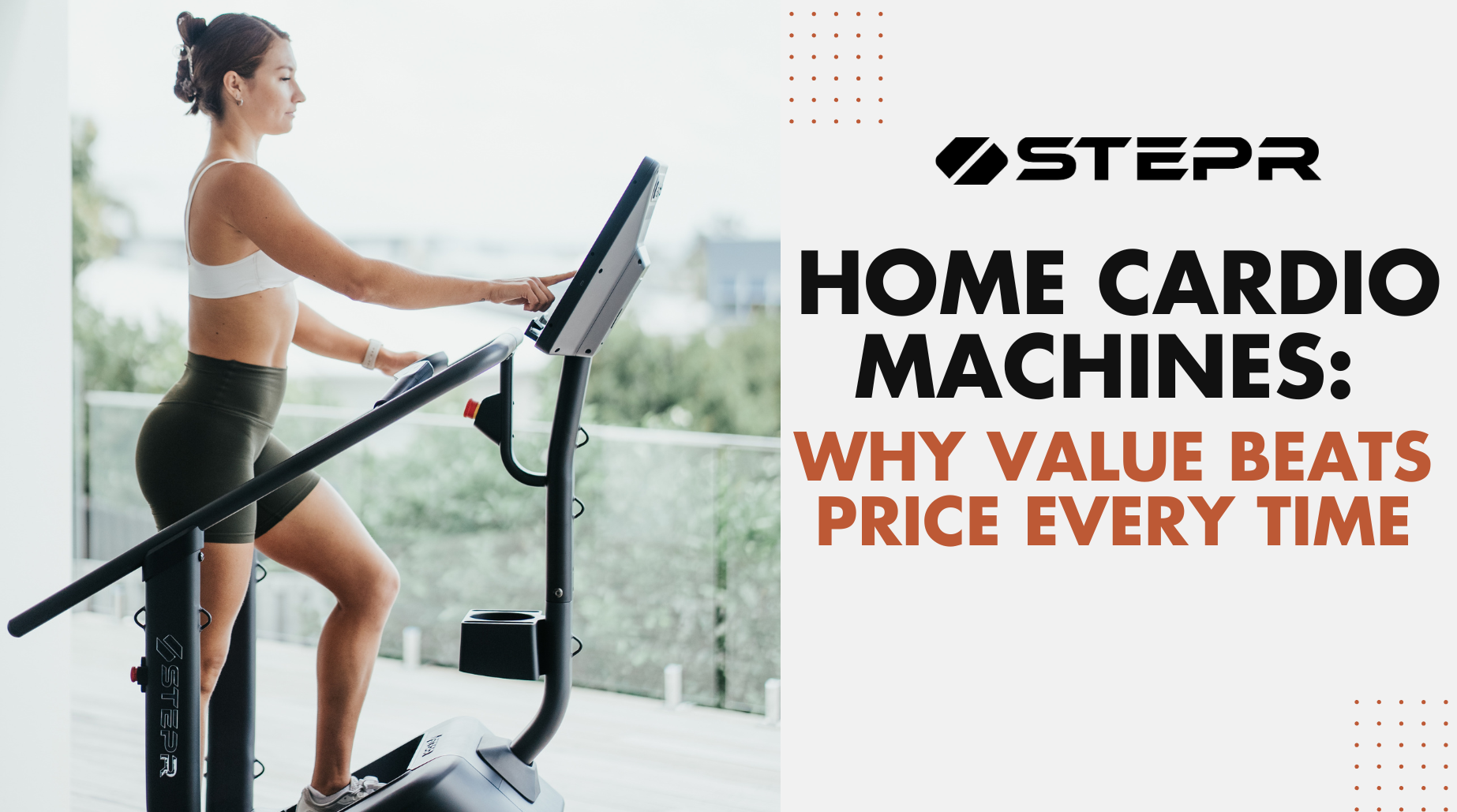
The STEPR has a footprint of 3.5ft x 2.3ft. That is smaller than the average yoga mat and significantly smaller than the average treadmill that performs far worse in terms of calorie burn and cardiovascular output. Stair climbing at a moderate to intense effort burns roughly 260 to 380 calories in thirty minutes for a 155 pound person. It achieves that output while placing substantially less stress on the joints than running, a consideration that matters enormously for anyone training five or more days per week over years, looking for consistent, noticeable and efficient improvements to their cardio.
Small footprint. Serious output. No compromises on longevity.
What beginners actually need versus what they think they need
Beginners often gravitate toward cheap machines for the same reason they buy entry level running shoes, they are not sure they will stick with it, so they hedge their commitment with a lower price tag. The problem is that cheap machines often become the reason people don't stick with it. A step machine that wobbles and shakes at higher resistance, squeaks within six months or maxes out at a resistance level you outgrow in eight weeks does not inspire you to continue training. It becomes furniture.
What beginners actually need is a machine that grows with them. Rehab to athlete level variable resistance, a reliable console with metrics you actually want to track and a build quality that feels like it was made to be pushed and to push you. The STEPR+ & STEPR CLASSIC were designed specifically with that progression in mind: a machine that a beginner can grow into rather than out of.

Why vertical cardio outperforms flat cardio for weight loss on a budget
The search data shows a strong interest in cardio equipment specifically for weight loss. This is where the stair climbing category separates itself clearly from the rest of the home cardio market. Stair climbing recruits the glutes, hamstrings, quads, and calves simultaneously with every step. That full lower body engagement means you are burning more calories per minute than walking, and competing closely with jogging without the joint load that makes daily jogging unsustainable for most people.
STEPR's stair climbers are built to home, light commercial and heavy commercial grade standards with patented technology designed specifically for the stair climbing category, meaning you get a consistent, calibrated stepping experience that holds true across every session. The result is a training session that feels controlled and deliberate, not mechanical and unpredictable, and a calorie burn that reflects genuine effort rather than a number on a screen that flatters low resistance.

The honest answer to "where do I buy budget friendly home cardio equipment online?"
This question is worth addressing directly because it reveals the core tension in the home cardio market. If you are searching for the cheapest machine possible, STEPR is not for you and this article is not going to pretend otherwise. But if you are searching for the best value cardio machine you can buy for your home, one that will still be running and still challenging you in year seven the same way it was in year one, then the conversation shifts considerably.
STEPR machines are an investment. They come with warranty support, genuine build quality and a product ecosystem that includes coaching content, scenic sessions, streaming options and much, much more. Unsure what STEPR is right for you and your goals? Take our free STEPR Matchmaking Quiz, a tool designed to match you with the right machine for your space, goals and budget before you commit to anything.
In conclusion, the machines that show up in the "cheapest home cardio" search results will not appear on anyone's buy again list. The machines that get recommended in serious fitness communities, the ones passed down between housemates or still running in a garage after a decade are always the ones where someone paid more upfront and never looked back.

Frequently Asked Questions:
What are the most affordable cardio machines for home?
The most affordable home cardio options at entry price points include jump ropes, resistance bands and basic step platforms but none of these replicate the sustained cardiovascular output of a quality cardio machine. Among powered home cardio machines, budget step machines and folding treadmills start around $200 to $500. However, these machines are typically rated for light use and fail within two to three years under regular training. For genuine long term value, machines in the $3000 to $10,000 range from brands with strong warranty and parts support deliver a far lower cost per use over five or more years of daily training, as is the case with most fitness equipment you usually get what you pay for.
Which home cardio equipment offers the best value for beginners?
The best value for a beginner is a machine they still want to use at an intermediate level. That rules out most entry level treadmills and step machines, which cap out at resistance levels a committed beginner outgrows within months. Stair climbers are particularly strong for beginners because the learning curve is short, the joint load is manageable, and the cardiovascular challenge scales well as fitness improves. The STEPR Classic is designed as an accessible entry point into the STEPR range without sacrificing the build quality or resistance range that makes continued training worthwhile.
Can you suggest affordable cardio options that don't require a lot of space?
Compact footprint and genuine cardio output rarely coexist in the budget category. Most machines small enough to fit a small apartment are too underpowered to deliver meaningful training stimulus. The STEPR is an exception: its footprint of 3.5ft x 2.3ft is smaller than a yoga mat, yet it delivers a calorie burn and cardiovascular challenge that matches or exceeds most treadmills. For those with genuinely minimal space and budget, a jump rope is the only honest recommendation. For anyone willing to invest in equipment that earns its floor space, a vertical stair climber like STEPR is the most space efficient serious cardio machine available.
What home cardio workout devices are recommended for weight loss?
Research consistently shows that exercises recruiting large muscle groups across the lower body burn more calories per session than isolated or upper body dominant cardio. Stair climbing engages the glutes, hamstrings, quads, and calves simultaneously with every step, generating a calorie burn of 260 to 380 calories per 30 minute session for a 155 pound person at moderate to vigorous effort. That is significantly more in comparison to jogging while placing far less stress on the knees and hips. For sustained weight loss over months and years, a machine that supports daily training without joint breakdown is more valuable than one that burns slightly more calories but forces you to rest for recovery.
What are the top affordable home cardio machines for small spaces?
In the budget category, folding treadmills and compact under-desk bikes offer the smallest footprints. Neither delivers the calorie output or training quality of a vertical stair climber. In the mid to premium category, the STEPR range, particularly the STEPR Classic offers the most compact serious cardio machine available for home use. Its 3.5ft x 2.3ft footprint fits comfortably in a bedroom corner, a small garage, or an apartment spare room, making it a stronger long term answer to the small space cardio problem than any folding machine currently on the market.
How long do budget home cardio machines last?
Consumer grade cardio machines are typically rated for three hours of use per week and begin failing within two to three years under regular training loads. Common failure points include motor burnout, belt wear, and electronic malfunction repairs that individually cost $150 to $600. Many budget brands also discontinue spare parts within three to five years of launch, making repair impossible and forcing full replacement. Commercial and premium home grade machines are built to handle significantly higher usage, with frame and component lifespans measured in decades rather than years.
If the machine you buy for your home gym is not making you better in year three than it did in year one, it has already failed the most important test. The smartest cardio investment is not the cheapest one on the page, it is the one you never have to replace.
Explore the Full STEPR Range | Find out about VPR Technology | FREE STEPR Matchmaking Quiz | Discover More STEPR Blogs and Helpful Tips | Invest in STEPR
[Or Click the Button Below to Shop Now]

STEPR Blog posts
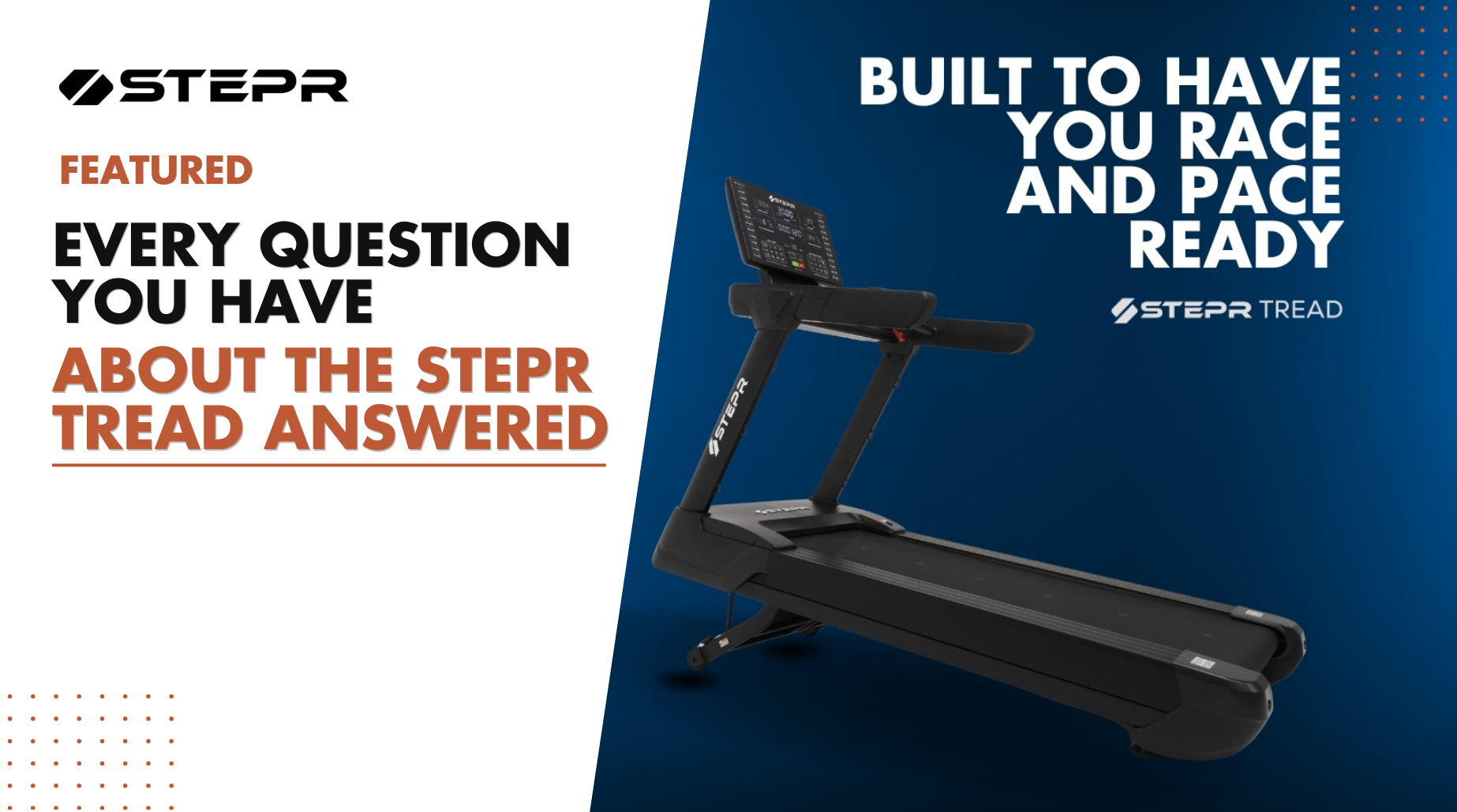
Every Question You Have About the STEPR TREAD Answered
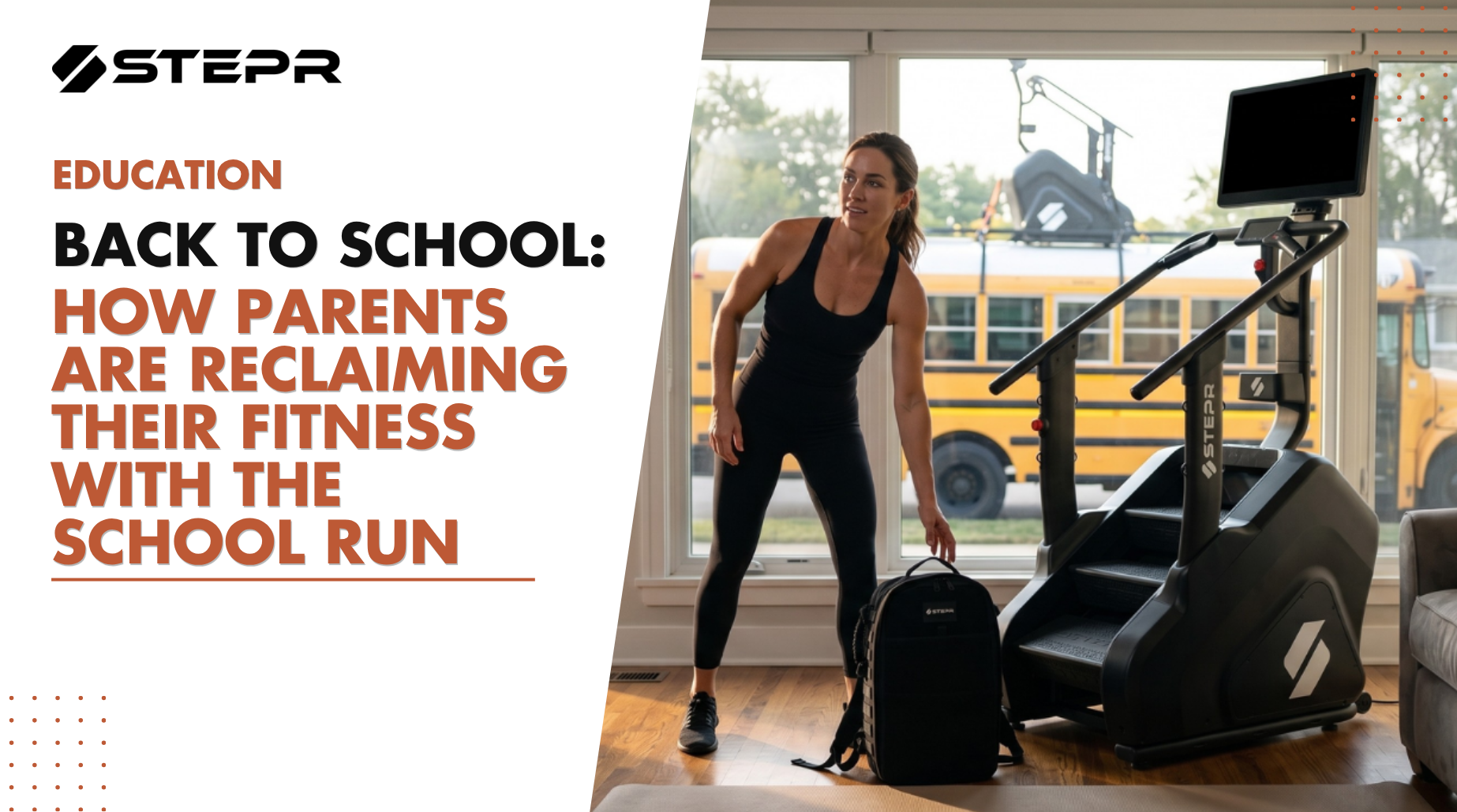
Back to School: How Parents Are Reclaiming Their Fitness With the School Run
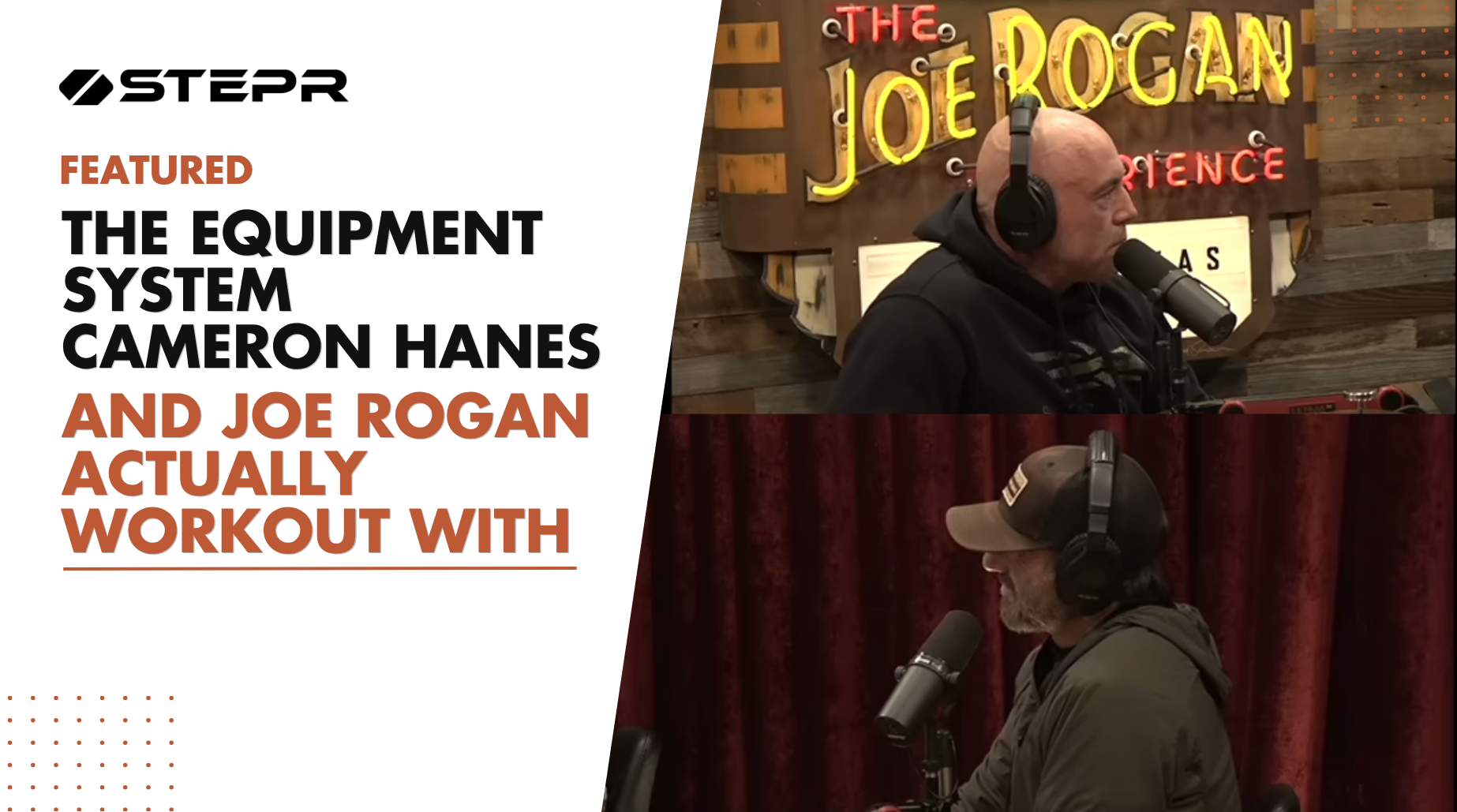
The Equipment System Cameron Hanes and Joe Rogan Actually Workout With
Joe Rogan called it "the Echo Bike, but times two." Now Cameron Hanes is training with STEPR VPR™ in a hypoxic wellness studio. Here is what they are using and why the world's most relentless athletes keep choosing it.
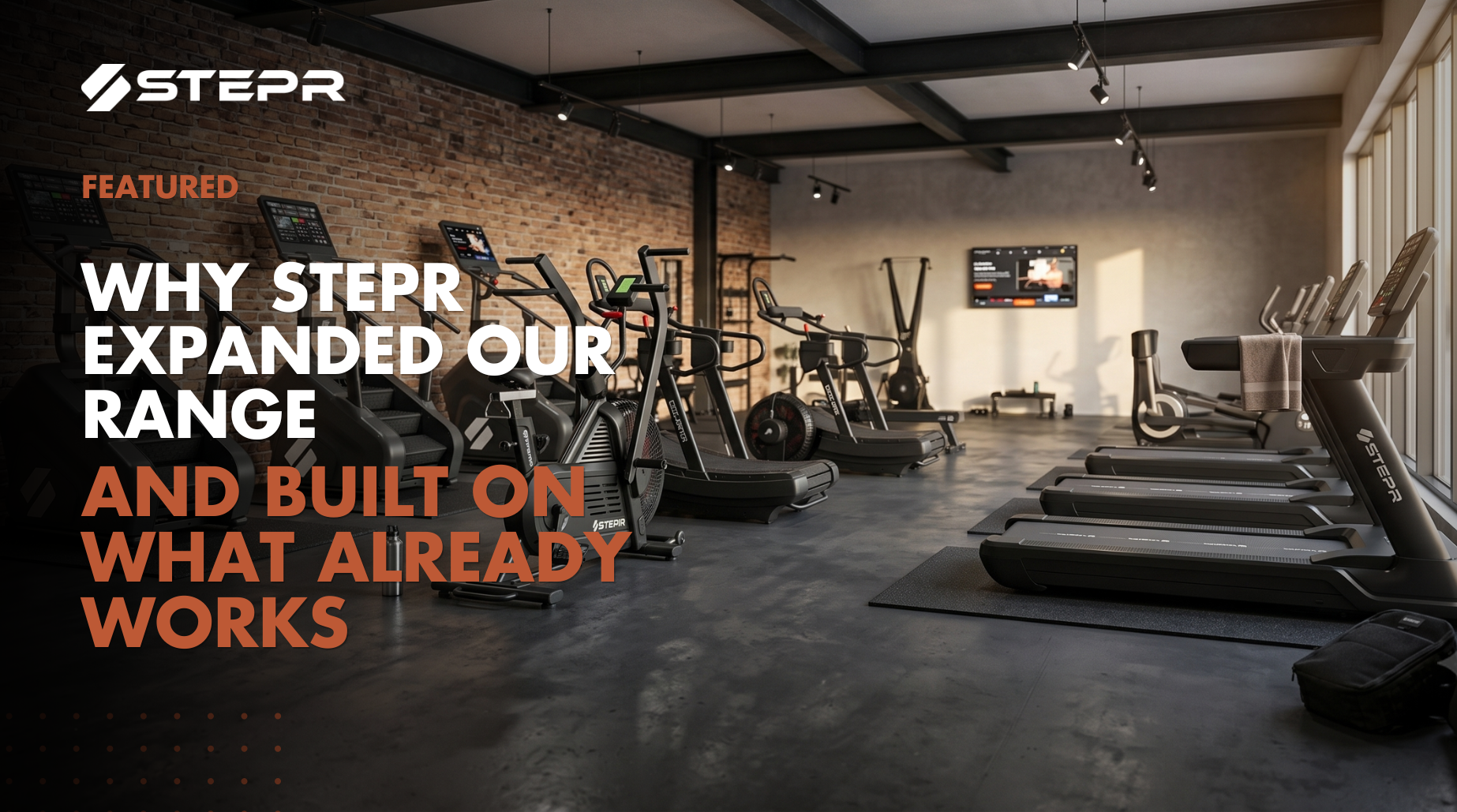
Why STEPR Expanded our Range and Built on What Already Works
STEPR was built on a simple premise: the most effective training modalities already exist. The question was never "what to invent from scratch" it was "how do we bring genuine innovation to what already works". Here is why the range looks the way it does.
Home Cardio Machines: Why Value Beats Price Every Time
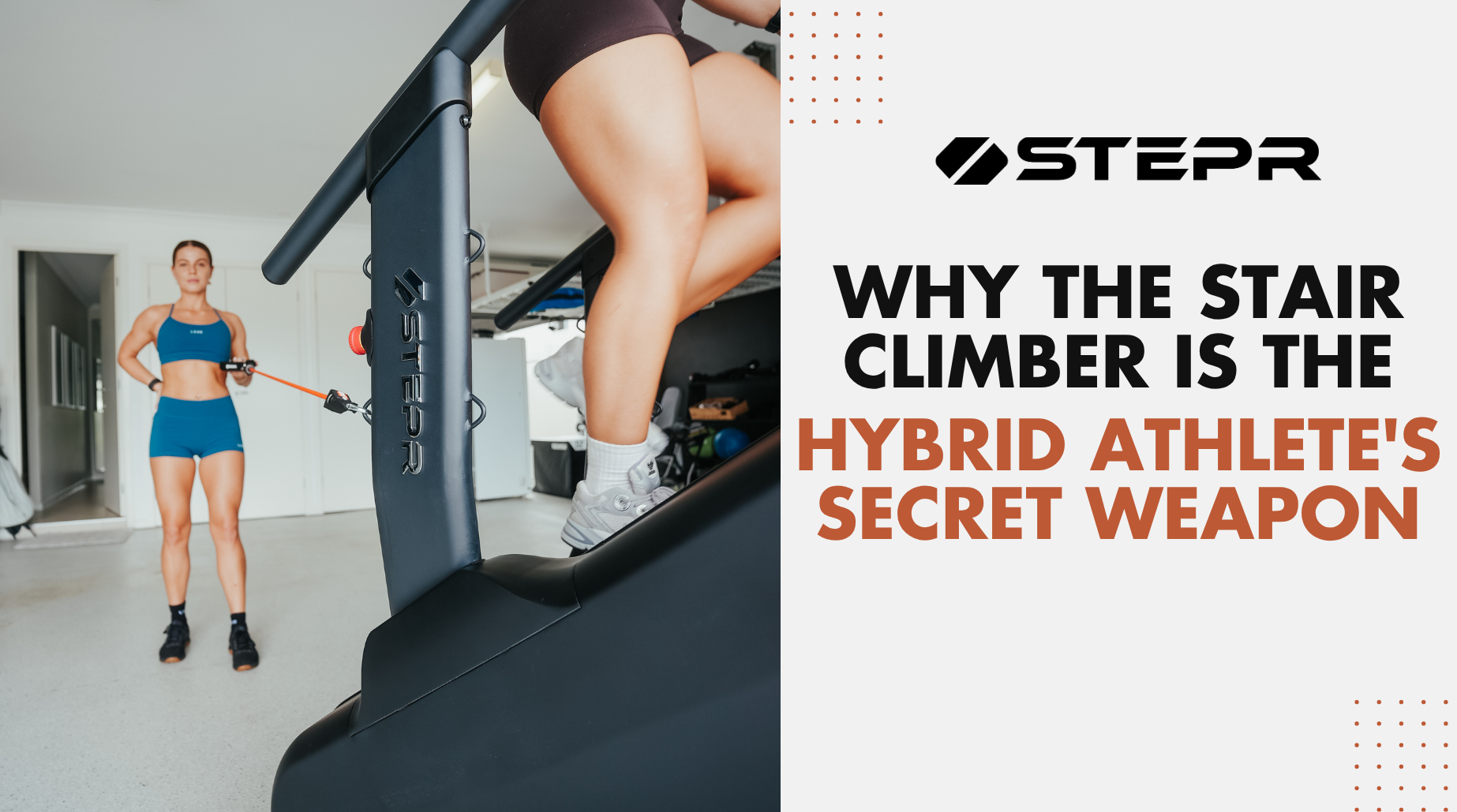
Why the Stair Climber Is the Hybrid Athlete's Secret Weapon
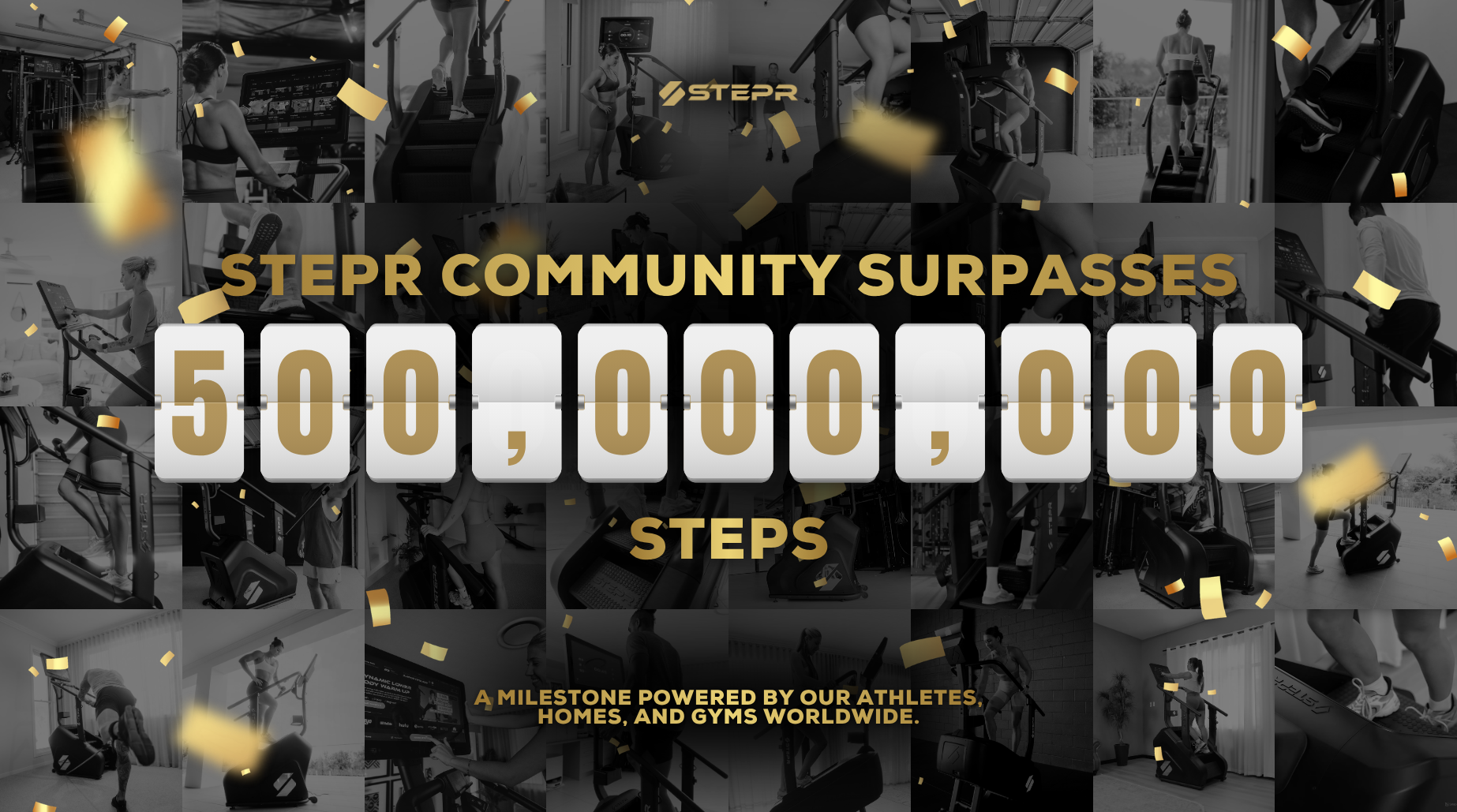
STEPR Community Surpasses 500 Million Steps: A Milestone Worth Celebrating
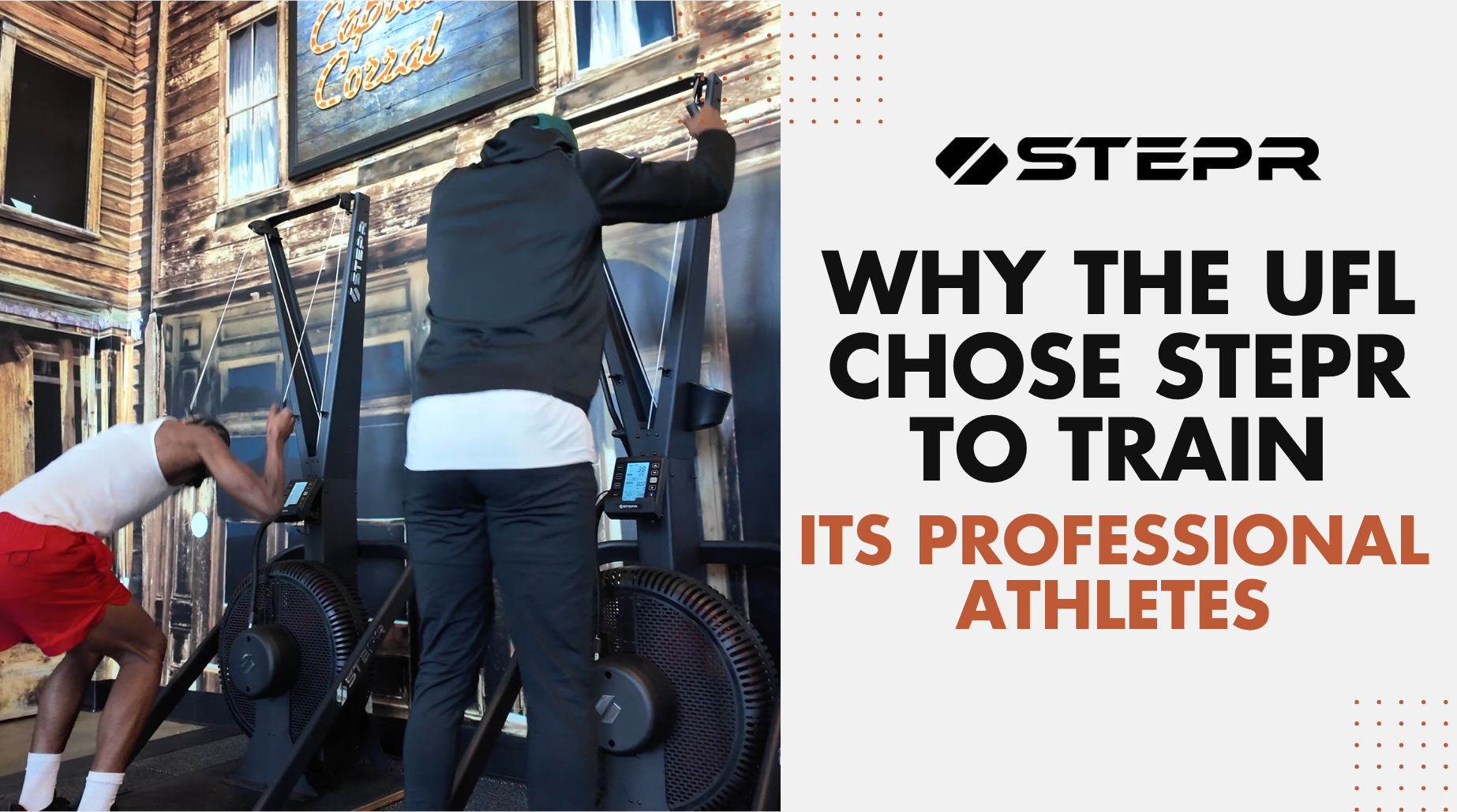
Why the UFL Chose STEPR to Train Its Professional Athletes
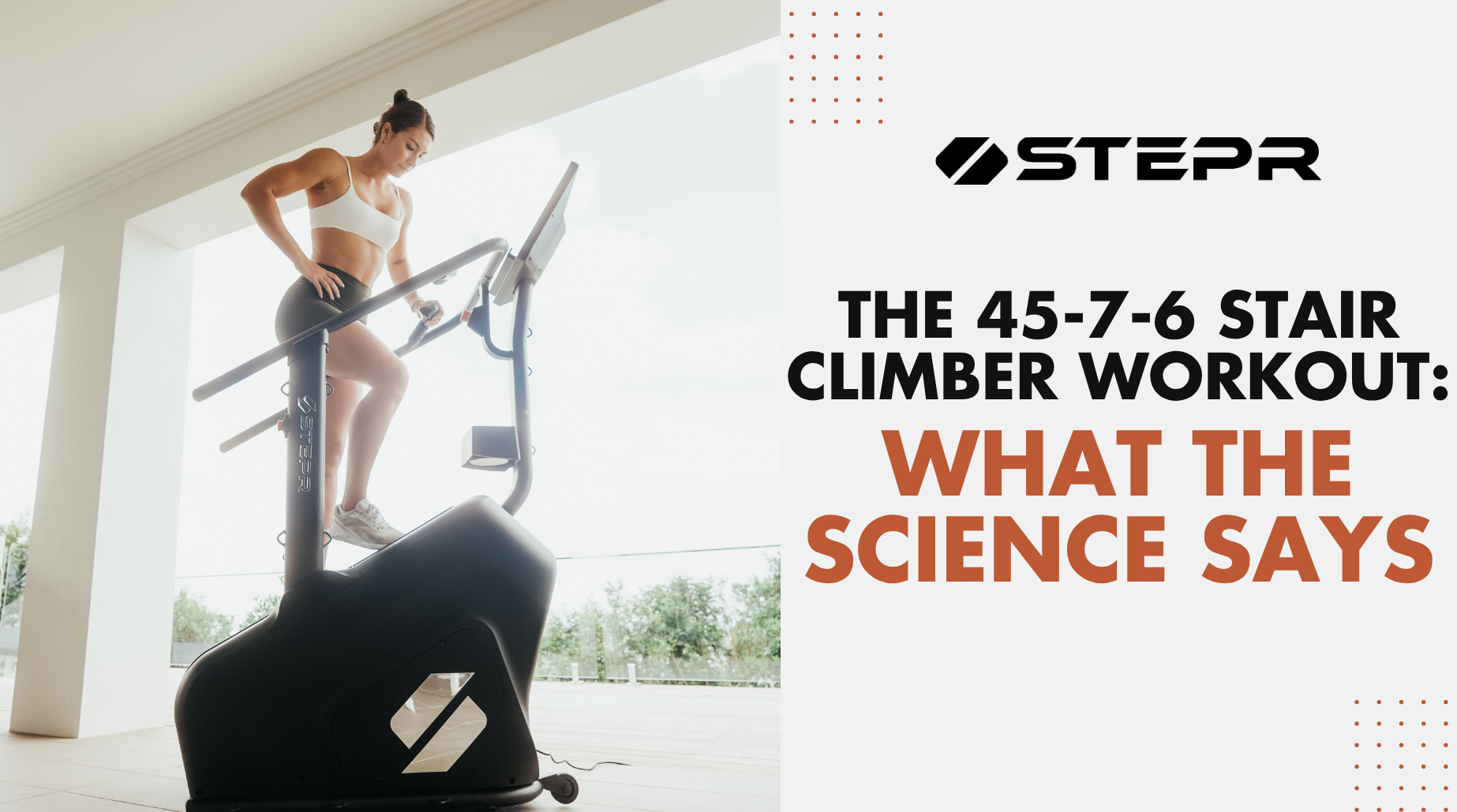
The 45-7-6 Stair Climber Workout: What the Science Says
It's Our Anniversary: Celebrating STEPR's Biggest Birthday Yet
STEPR Partners with CrossFit Semi-Final Legends Championship in California