STORE FINDER


Why STEPR Expanded our Range and Built on What Already Works
The best fitness modalities in the world are not new.
Rucking is a military training method with centuries of documented use. Running is how human beings have moved across distance since before recorded history. Stair climbing, rowing, skiing, cycling: each of these has been studied, tested, and validated by decades of exercise science. Nobody needs to invent them. They work.
What the fitness equipment industry has consistently failed to do is build machines and tools worthy of history and designed to be future proof.

Why STEPR started with a stair climber
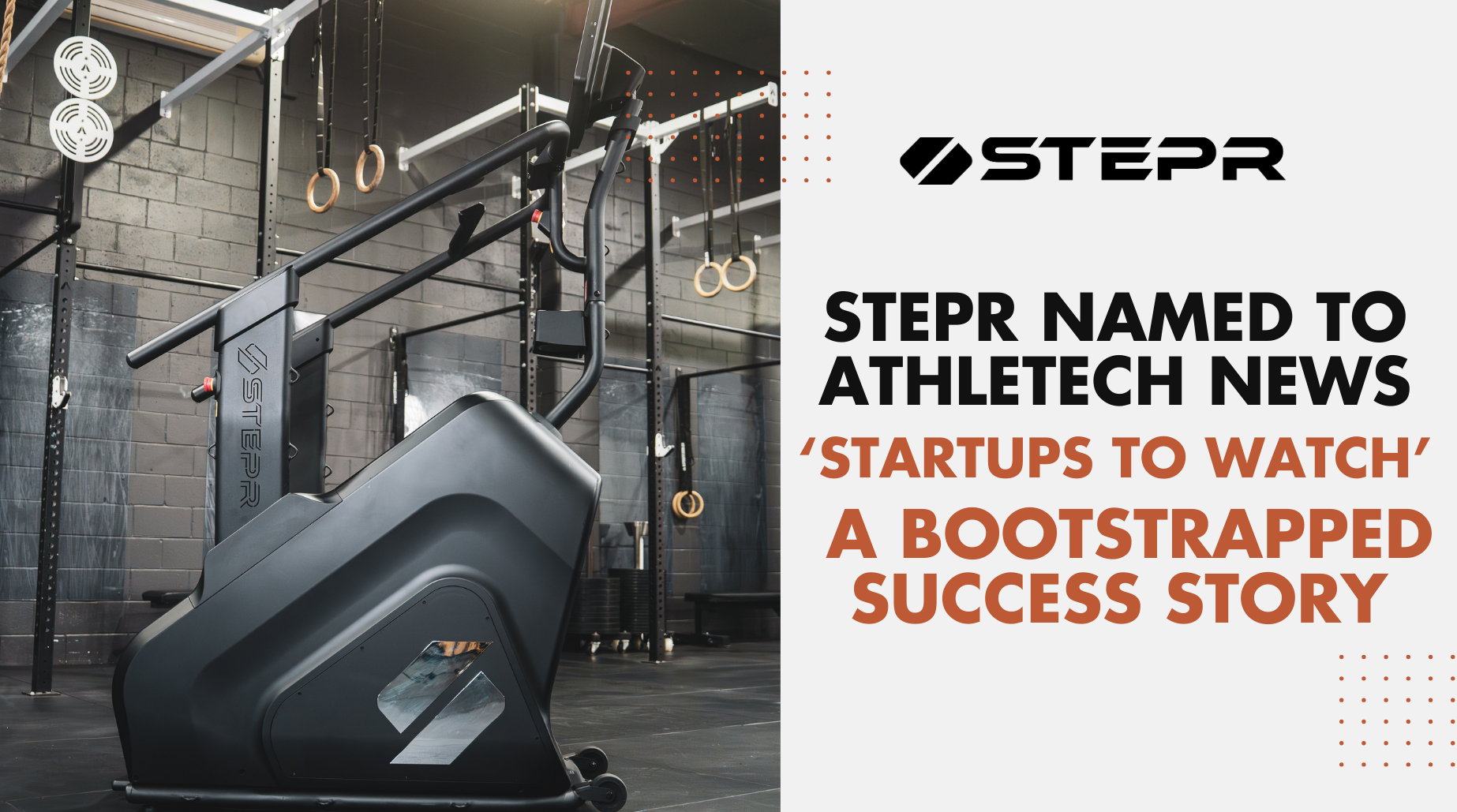
When STEPR launched, the stair climber category was full of machines that had not meaningfully evolved in a generation. The core concept was sound. Vertical movement against gravity is one of the most metabolically demanding and musculoskeletally sustainable forms of cardio available. The machines, however, had not kept pace with what athletes and serious home gym users actually needed.
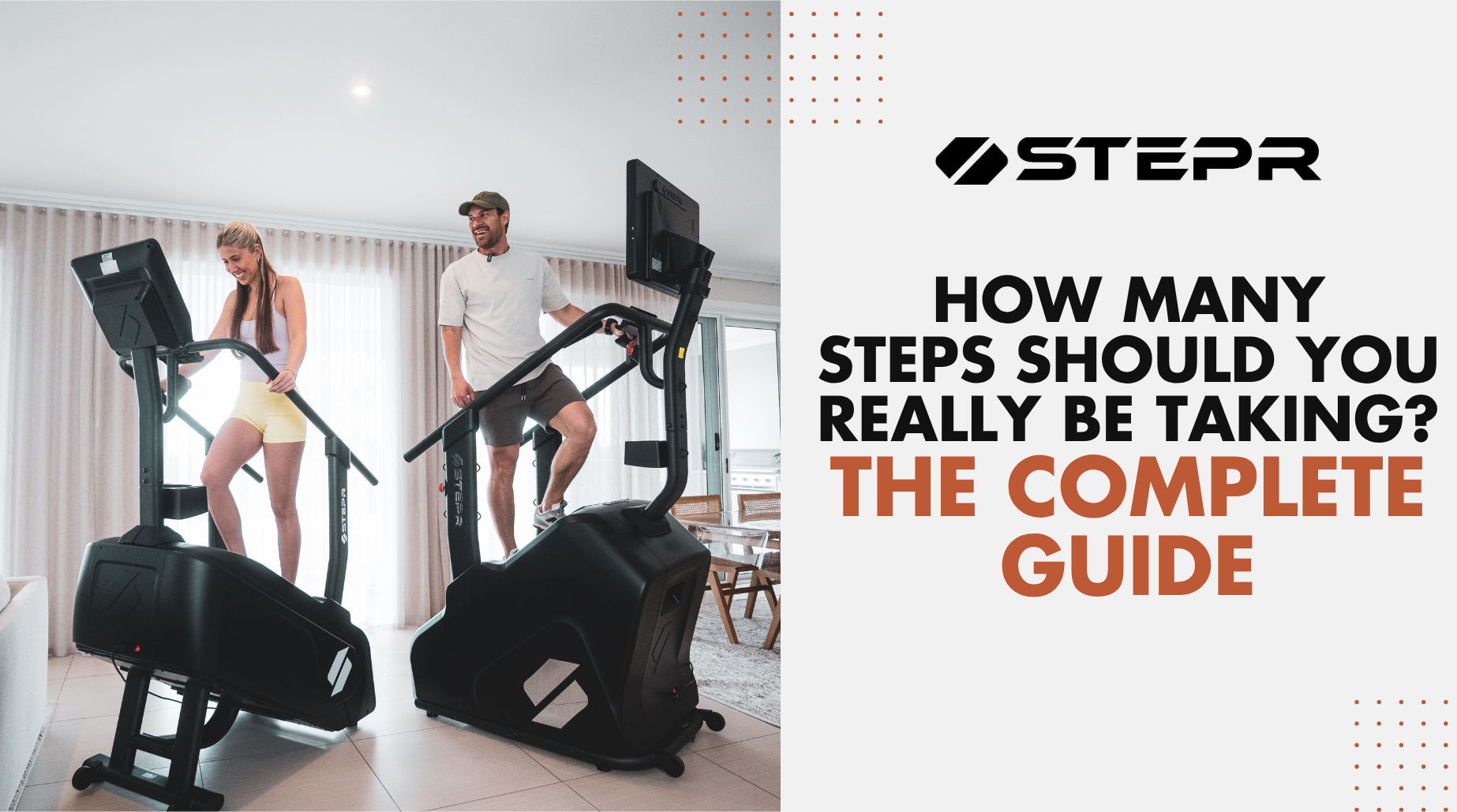
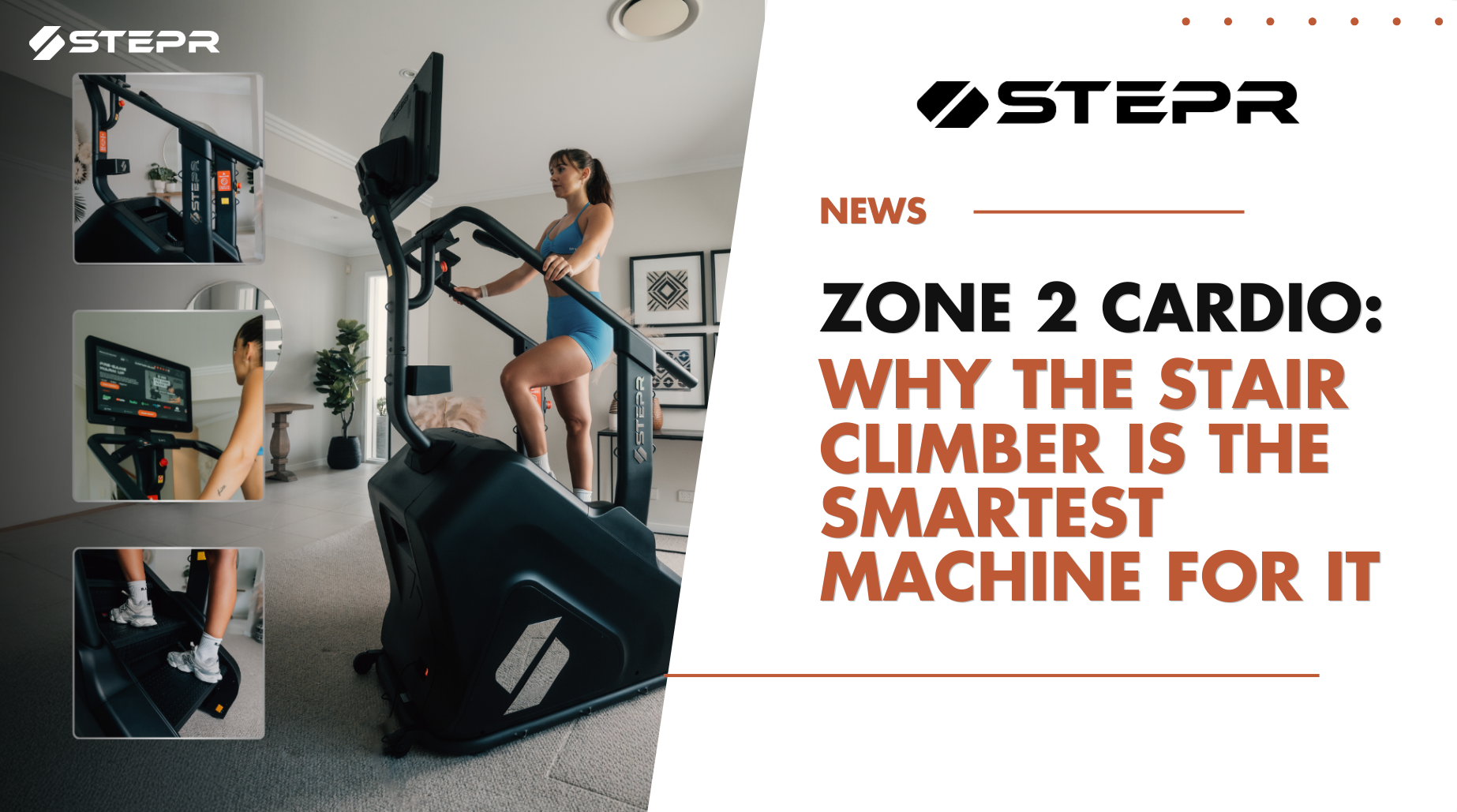
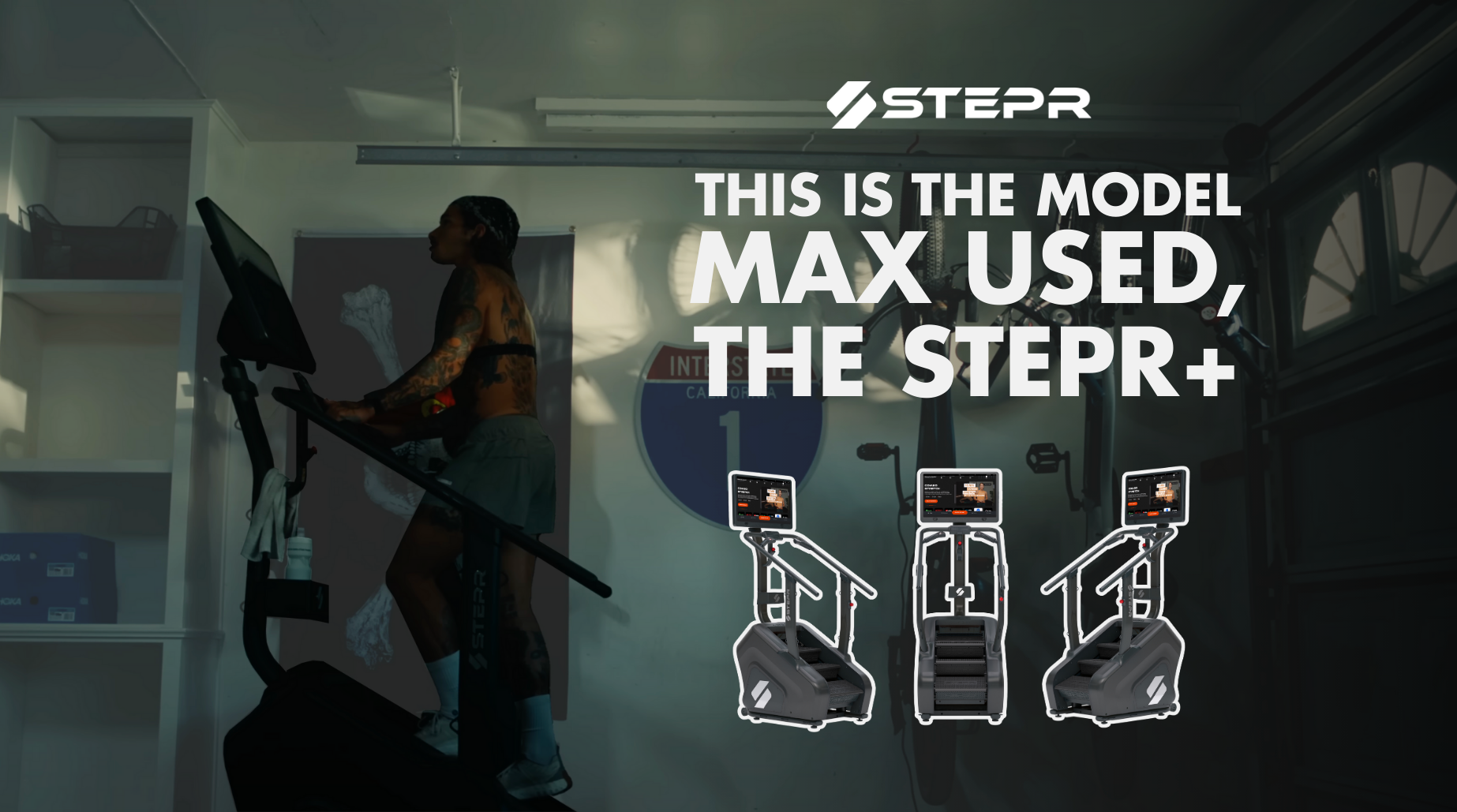
To be built for the home, not just the box gym: the patented step design keeps the machine compact enough to fit in a spare room or garage corner, so the training block that used to require a gym visit now happens in the fifteen minutes before your run. Industry leading safety features such as 2 emergency stop buttons, (3 in total) and a laser safety sensor, which matters when you're training at home or around kids or pets. We've also built in classes and entertainment with no subscription required, so the stepping session that sounds miserable on paper stays something you actually show up for and look forward to.
This was not an incremental upgrade. It was a fundamental rethinking of what a stair climber could do. And it established the design philosophy that every product STEPR has released since has been built on: take a proven modality, identify where the existing equipment fails the person using it, and build something that eliminates those failures entirely. Check out our full STAIRCLIMBER BUYERS GUIDE to find the best STEPR for you

VPR™ applied across the performance range
Once the VPR™ system existed, the question was never whether it should expand. The question was which modalities deserved it next.
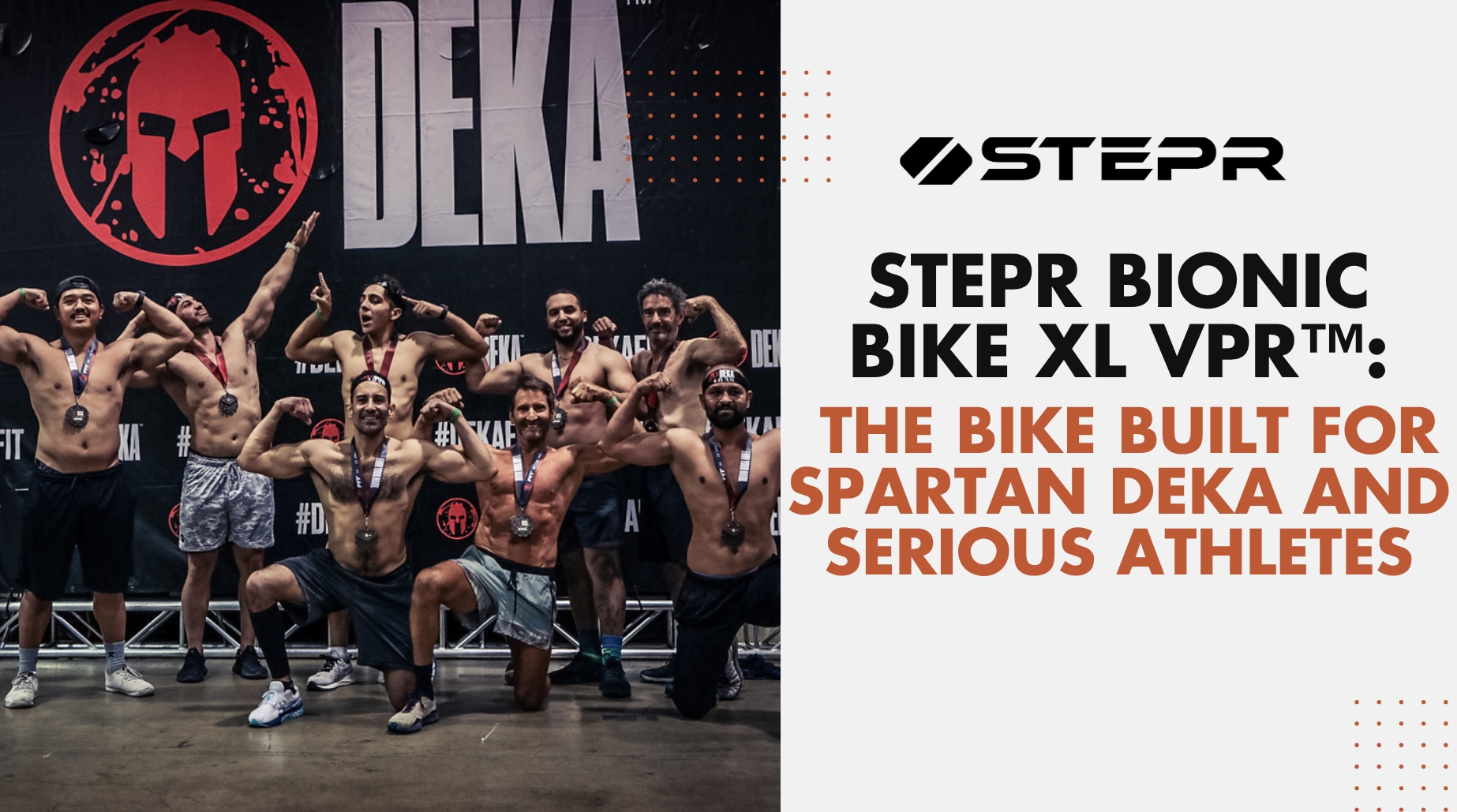
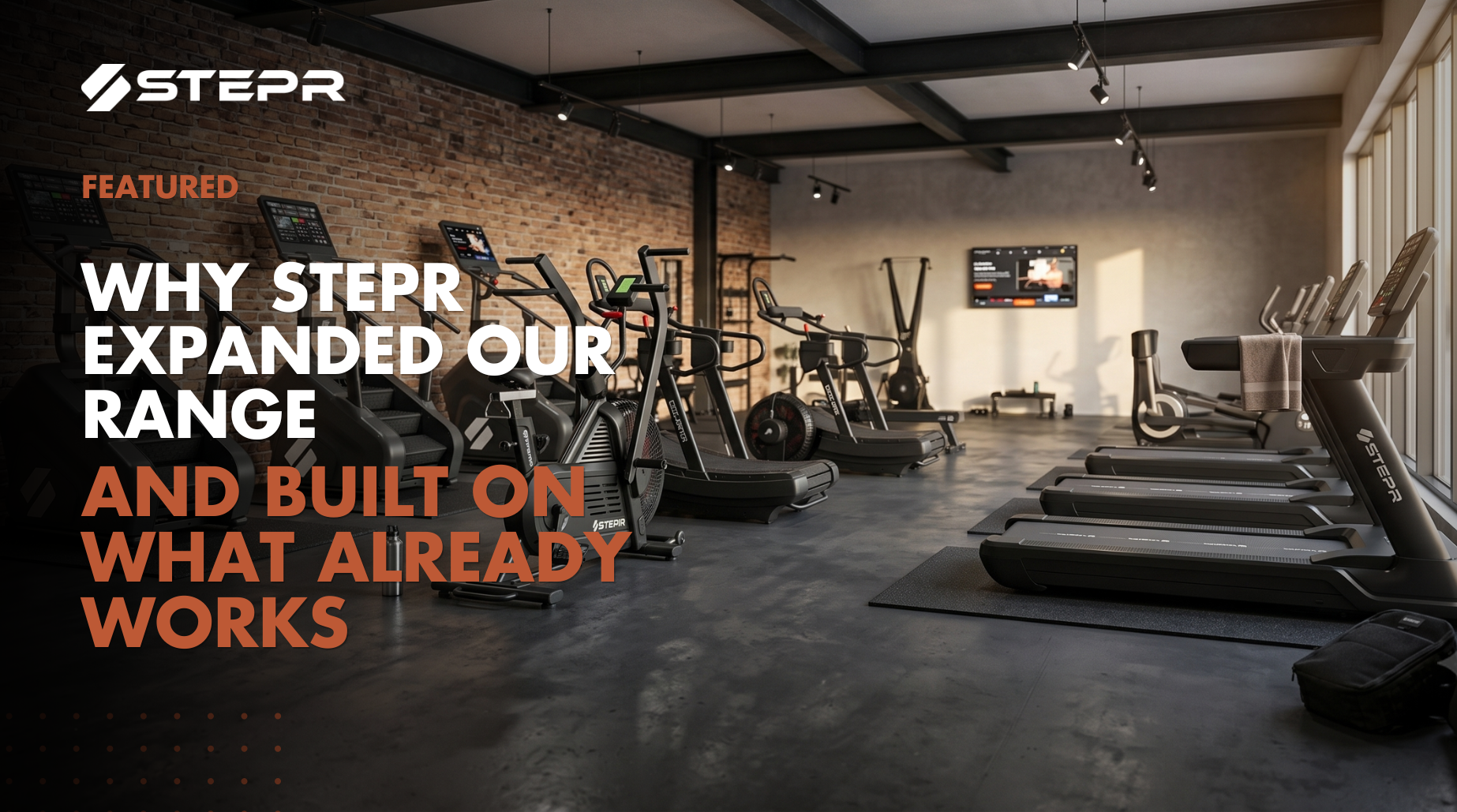
The answer was every foundational machine in the functional fitness category. The Bionic Bike XL brought VPR™ to the air bike, replacing the binary resistance of conventional fan driven machines with a pitch adjustable system that scales smoothly from zone 2 recovery work to maximum output intervals, which is why it's become an integral part of DEKA events (Read more here). The Ski XL did the same for ski erg training. The Cycle XL for bike erg. The Rower XL for rowing.
Each of these modalities is independently proven. Rowing is one of the most complete cardiovascular and strength endurance exercises available, engaging over 85% of the body's muscle mass in a single movement pattern. Ski erg training has moved from niche to mainstream through its prominence in HYROX and functional fitness competition. Air bike conditioning has long been a staple in elite strength and conditioning programs worldwide.
What VPR™ adds to each is the same thing it added to the stair climber: a resistance system that adapts in real time, eliminates the plateau problem that undermines most equipment investments, and provides a range of progressive stimulus that outlasts the user's development, not the other way around.
The TREADSLED XL extends this further into the curved manual treadmill category, a machine that requires the user to power the belt through their own stride rather than a motor. Paired with VPR™, it transforms one of the most functional running surfaces available into a machine that can match any training level from rehabilitation pace through to sprint performance.

Where running fits
Motorised treadmill running is one of the most popular forms of exercise on the planet and one of the most poorly served by the equipment available to do it.
The core issue is interface. Standard treadmills display speed in kilometres or miles per hour. Runners do not think in those units. They think in pace: minutes per kilometre or minutes per mile. Every interval session, every tempo run, every easy recovery jog requires the runner to mentally convert from how they plan their training to how their machine displays it. Then they scroll through incremental speed adjustments hoping to land near the right number, while the motor ramps up or down over several seconds.
QuickPace™ technology was built to eliminate every part of that experience.
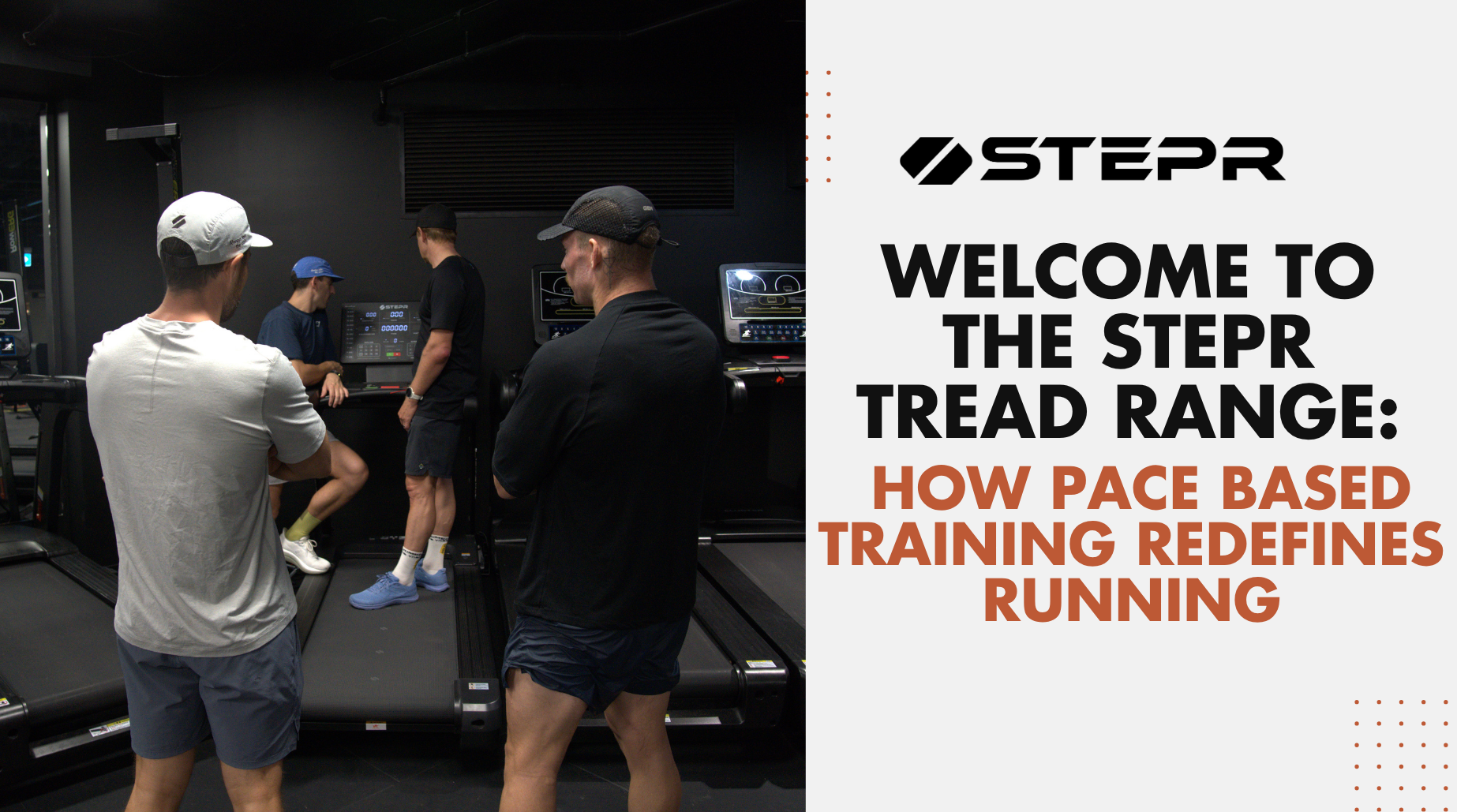
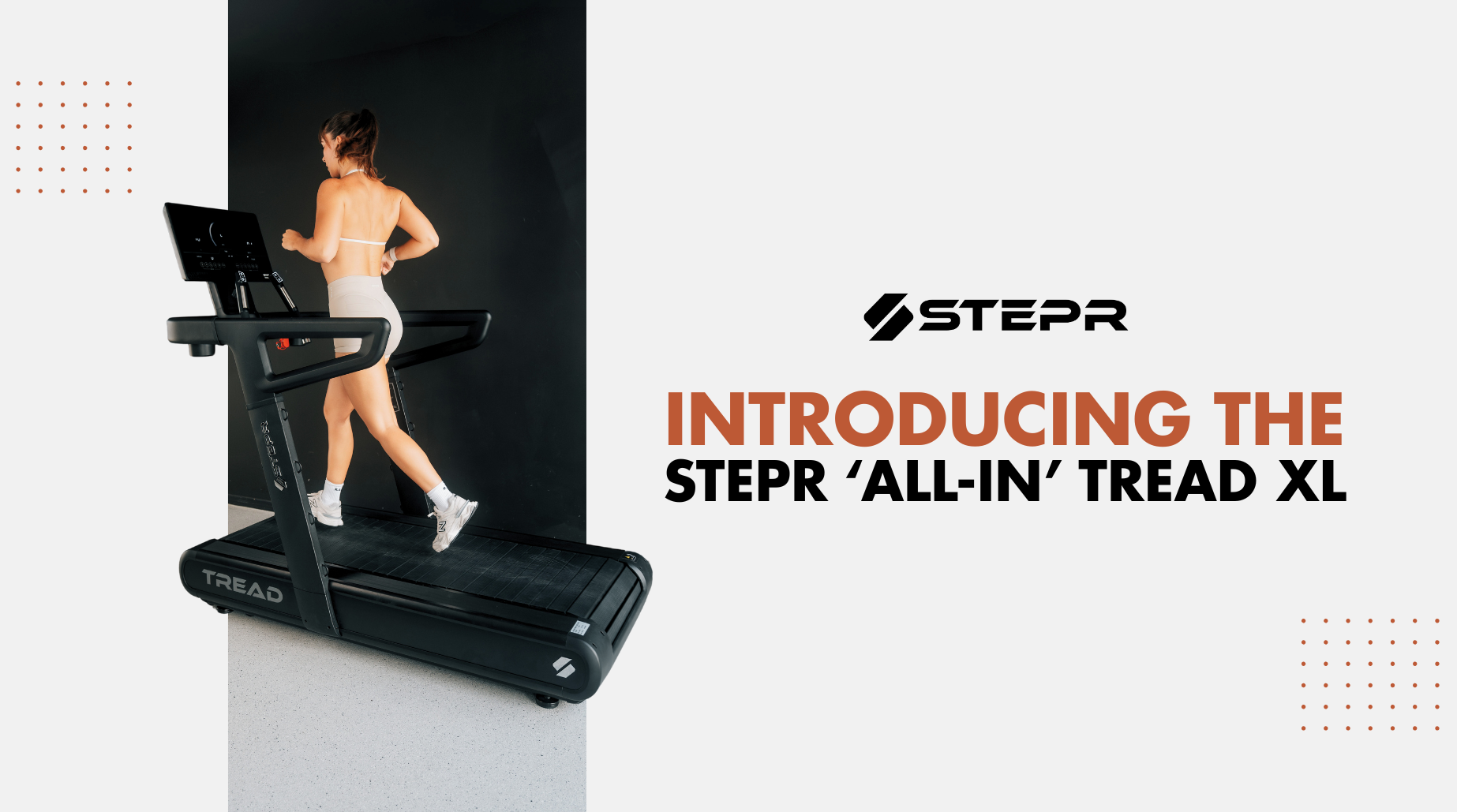
The STEPR TREAD range features 22 preset pace buttons displayed in the units runners actually use. When a session calls for a shift from 5:00 per kilometre to 4:15, the transition is immediate. No ramp time unless it has been programmed in. Two to three times faster than a conventional treadmill response. The TREAD PRO and TREAD XL deliver this on five ply, commercial grade belts with motor specifications that match or exceed what most gyms deploy, in a machine designed for home and light commercial use.
The ALL-IN TREAD XL extends the range further with a platform that integrates multiple training surfaces and modes, positioning it as the most versatile motorised training machine in the STEPR lineup.
This is the same philosophy as VPR™ applied to a different problem. Running is proven. The equipment has consistently failed to match how runners actually train. QuickPace™ closes that gap.

The rucking argument
Rucking is the least technologically complex thing STEPR has ever made a product for. It is also one of the most intelligent category decisions the brand has made.
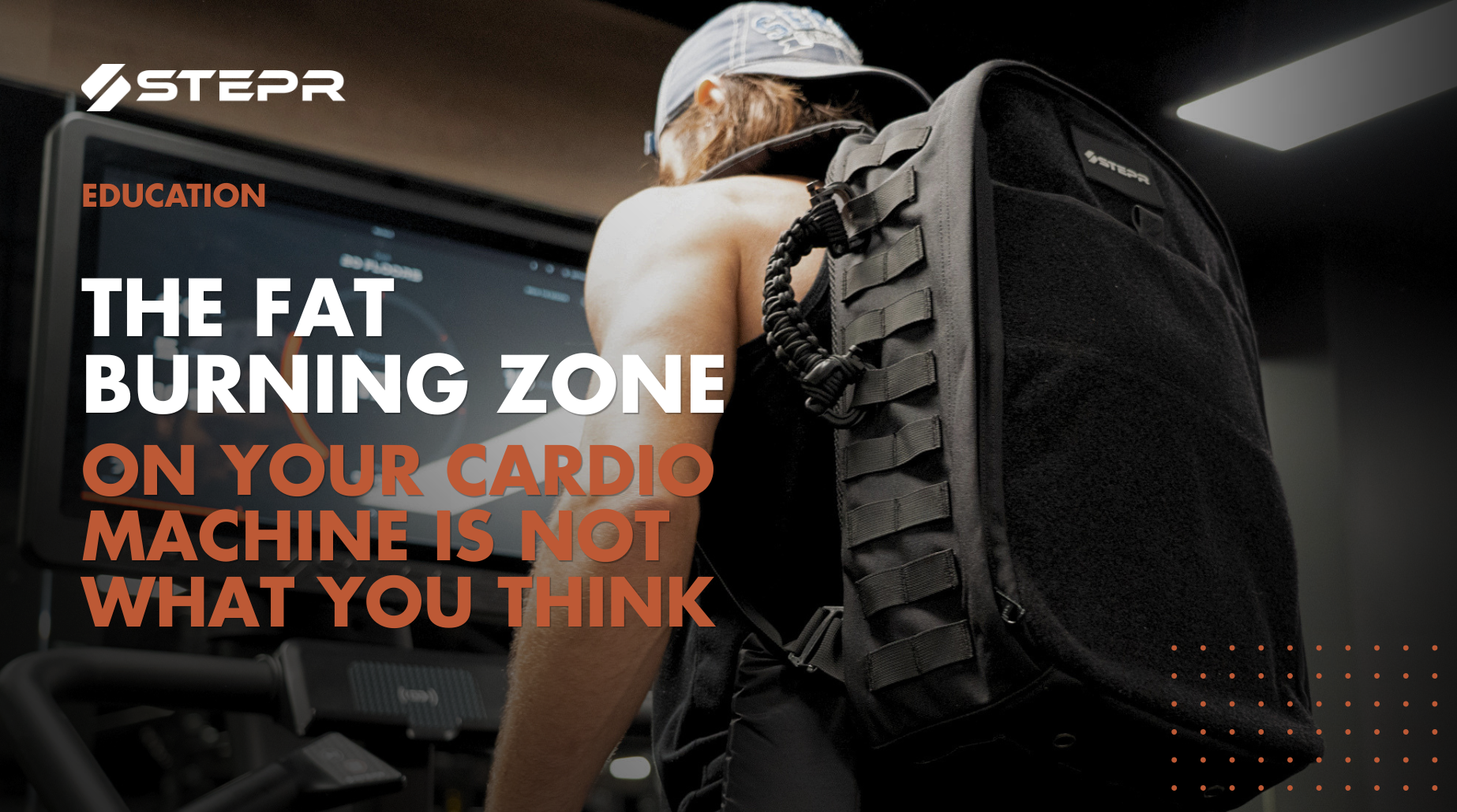
The case for rucking sits on three pillars that no amount of equipment innovation can replicate: it requires no machine, no power source, and no facility. A weighted pack on your back, moving at a deliberate pace, builds cardiovascular fitness, posterior chain strength, and load bearing capacity simultaneously. Military forces worldwide have trained with this method for generations precisely because it is functional in a way that most gym based cardio is not. Your body is carrying weight while moving through the world. That is a real world demand.
The problem with rucking gear on the market has not been the concept. It has been the execution. Most rucking packs are either built for casual hiking with no real load management system, or military surplus with no regard for training progression or ergonomics in a fitness context.
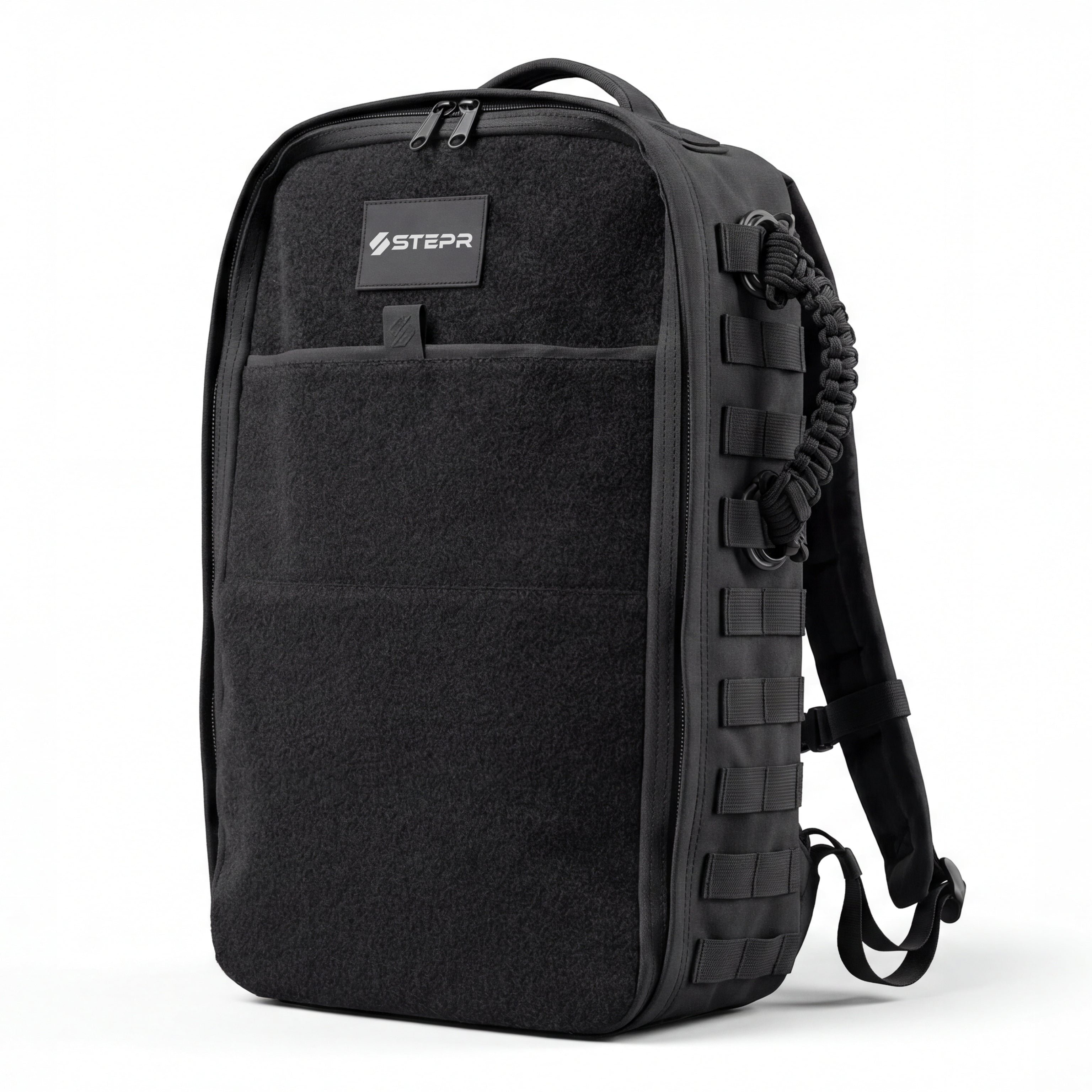
The STEPR ALL-IN RUCK was designed for the person who trains with intention. 1000D nylon construction, fillable sandbags with up to 40 pounds of adjustable capacity, reinforced paracord handles for carries, waist stabilisers for weight distribution during long efforts, and three volume sizes to match the training demand. The load scales with you. The pack is built to handle the load you put in it.
No proprietary technology required. Just an excellent build applied to a modality that deserves it, pack more into your workout and meet our STEPR ALL-IN RUCK.

One philosophy, multiple expressions
The pattern across everything STEPR builds is not about owning a category. It is about identifying the gap between what a proven training method demands of its equipment and what most equipment actually delivers, then closing that gap precisely.
Stair climbers needed to be refined for the home and engaging enough that it could scale past a beginner's first three months. Air bikes, ski ergs, rowers, and curved treadmills had the same scaleability problem. VPR™ solved that too. Motorised treadmills had an interface problem that penalised the people who needed them most. QuickPace™ solved that. Rucking gear had a quality and load management problem. The ALL-IN RUCK addressed it without overcomplicating something that is, by design, supposed to be simple.
Each product is a different answer to the same question: what does the best possible version of this look like when you build it for athletes who take their training seriously and need equipment that keeps pace with them?
That question does not stop at any single product category. It is the operating principle that will shape every piece of equipment STEPR brings to market.

Frequently Asked Questions:
Why has STEPR expanded beyond stair climbers?
STEPR was never purely a stair climber company. The founding principle was to take proven functional fitness modalities and build equipment that genuinely serves them at a level the existing market had not reached. Stair climbing was the first application of that principle. The VPR™ performance range, the TREAD range, and the Ruck range are successive expressions of the same thinking applied to different training methods.
What is the difference between VPR™ and QuickPace™ technology?
VPR™ is a resistance system. It uses a variable pitch rotor to dynamically adjust resistance in real time, delivering over 100 levels or 'micro gears' of progressive resistance across our VPR™ range which includes the Bionic Bike, Cycle, Rower, Ski, and Treadsled. QuickPace™ is a console and interface system designed specifically for motorised treadmill training, with 22 preset pace buttons in runner native units and 2-3 times faster lag response between pace changes over commercial treadmills. They solve different problems on different machines, both grounded in the same principle of closing the gap between what the equipment offers and what the athlete actually needs.
Is rucking a serious training method or a trend?
Rucking predates most modern fitness trends by centuries. Military forces have used loaded marching as a foundational conditioning tool because it builds functional strength and cardiovascular capacity simultaneously without the joint stress of running. Research shows rucking burns 10 to 20% more calories than unweighted walking and places significantly lower impact forces on the body than running. The STEPR ALL-IN RUCK addresses the quality gap in rucking gear, not a gap in the validity of the training method itself.
Which STEPR product is right for a home gym?
This depends entirely on training goals, available space, and current fitness level. The FREE STEPR Matchmaking Quiz is the fastest route to a specific recommendation. The range spans from the ALL-IN RUCK as a rucking tool, STEPR Stairclimbers for low impact cardio, all the way through to the full VPR™ performance and TREAD range, all products scaleable with athletes at every fitness level.
Will STEPR continue releasing new product categories?
Our expansion has followed a consistent logic: identify proven modalities where equipment has failed to keep pace with how serious athletes actually train, then build the best possible version of the equipment for that modality with full scaleability. Where that logic leads next depends on where the gaps are. The commitment is to set the standard, not to a fixed list of categories.
Do all STEPR products require a subscription?
No. None of the STEPR machines or equipment require a subscription to operate. VPR™ and QuickPace™ are built into the hardware, not gated behind ongoing payments. The machines connect to external apps including Netfilx, Instagram, Youtube, Zwift, Strava, Peloton and more via Bluetooth, but these connections are optional and managed through those platforms independently.
Explore the Full STEPR Range | Find out about VPR Technology | FREE STEPR Matchmaking Quiz | Discover More STEPR Blogs and Helpful Tips | Invest in STEPR
[Or Click the Button Below to Shop Now]

STEPR Blog posts
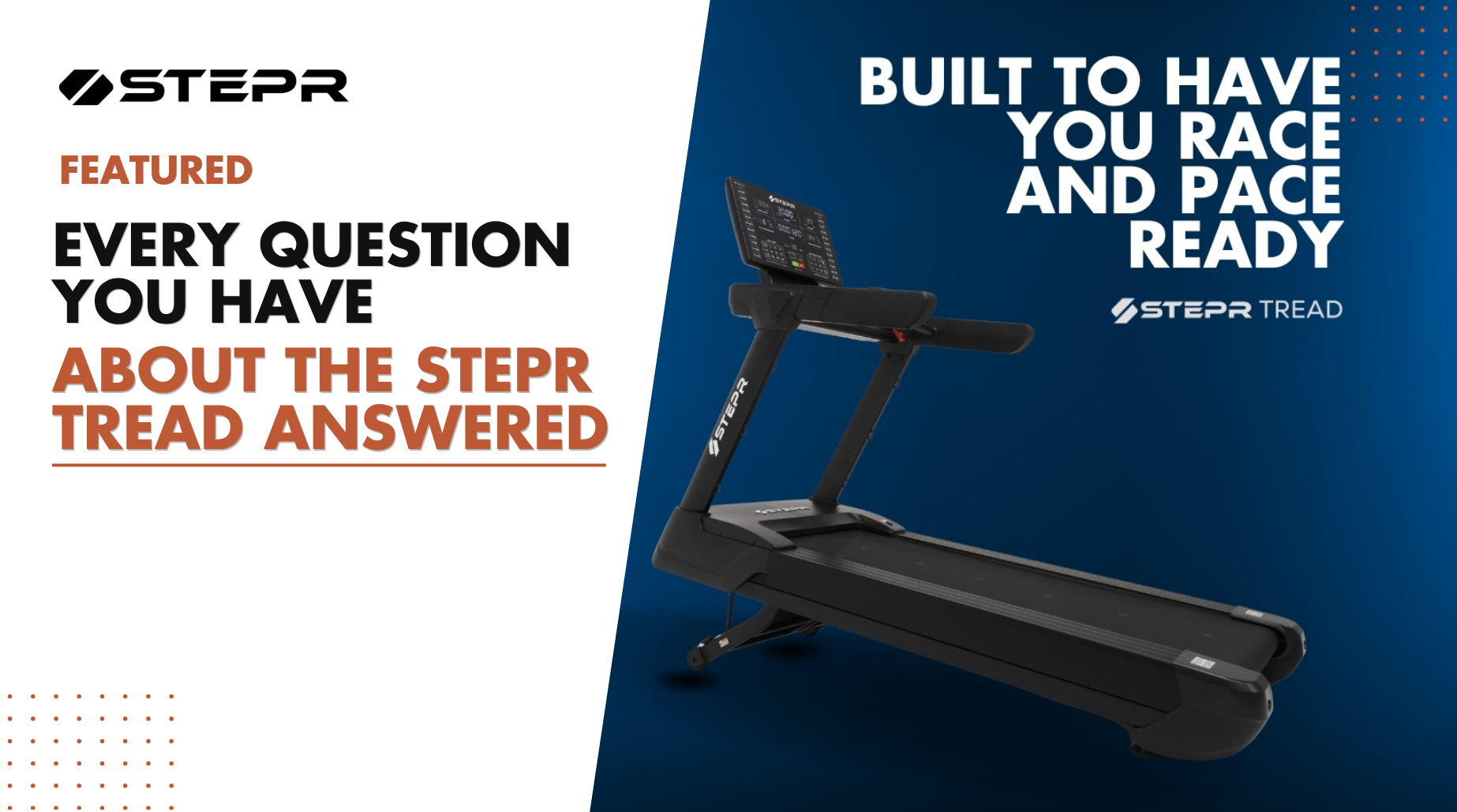
Every Question You Have About the STEPR TREAD Answered
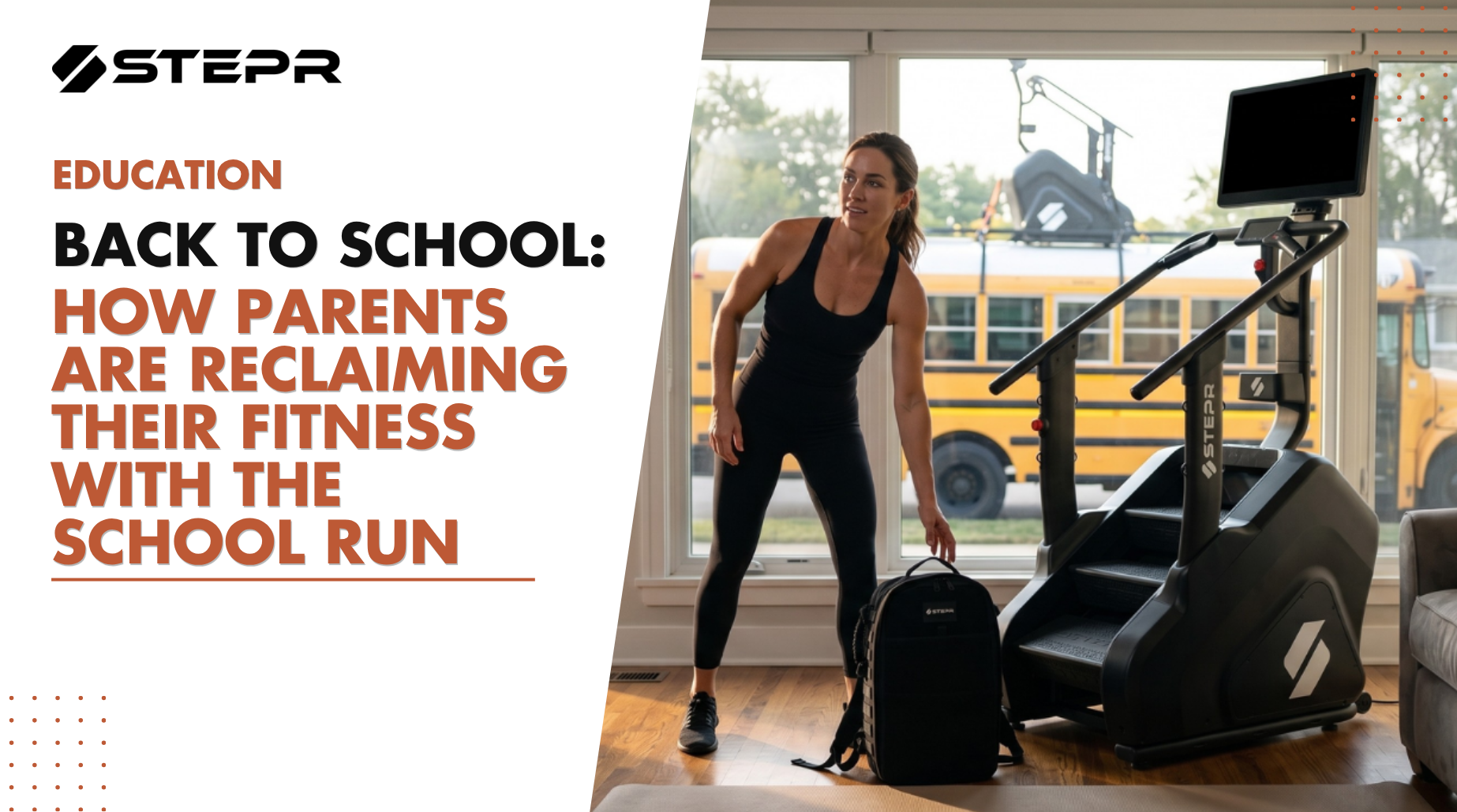
Back to School: How Parents Are Reclaiming Their Fitness With the School Run
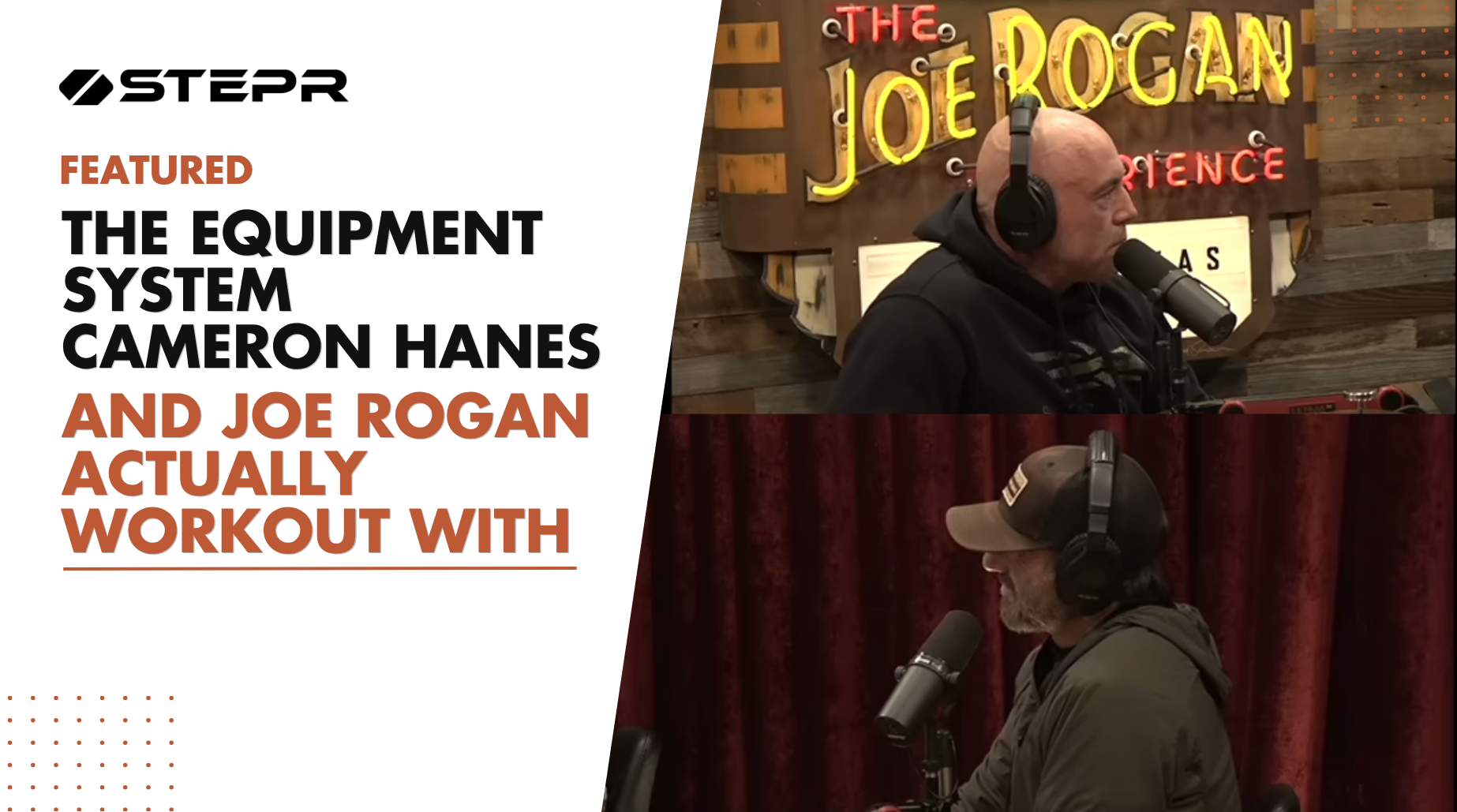
The Equipment System Cameron Hanes and Joe Rogan Actually Workout With
Joe Rogan called it "the Echo Bike, but times two." Now Cameron Hanes is training with STEPR VPR™ in a hypoxic wellness studio. Here is what they are using and why the world's most relentless athletes keep choosing it.
Why STEPR Expanded our Range and Built on What Already Works
STEPR was built on a simple premise: the most effective training modalities already exist. The question was never "what to invent from scratch" it was "how do we bring genuine innovation to what already works". Here is why the range looks the way it does.
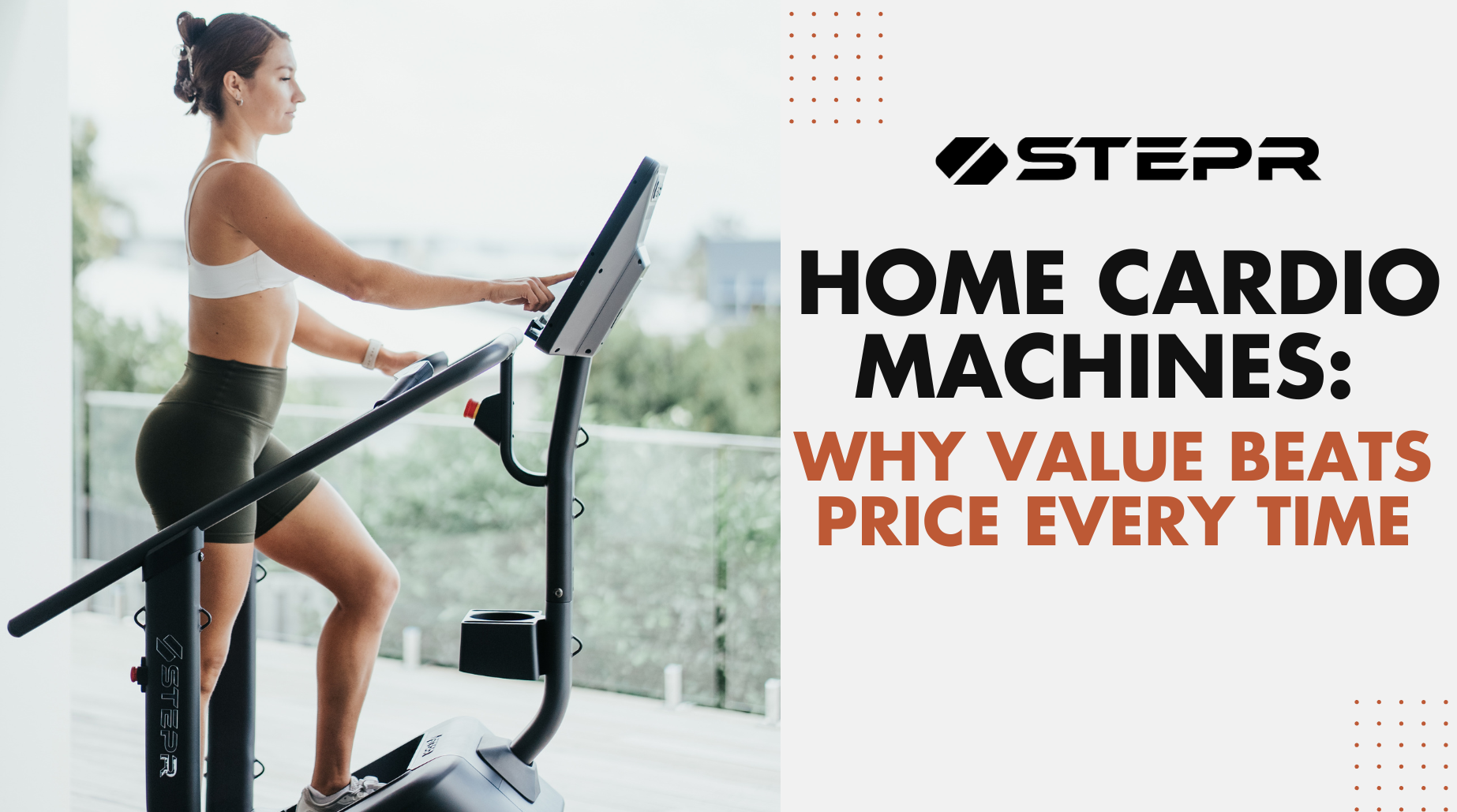
Home Cardio Machines: Why Value Beats Price Every Time
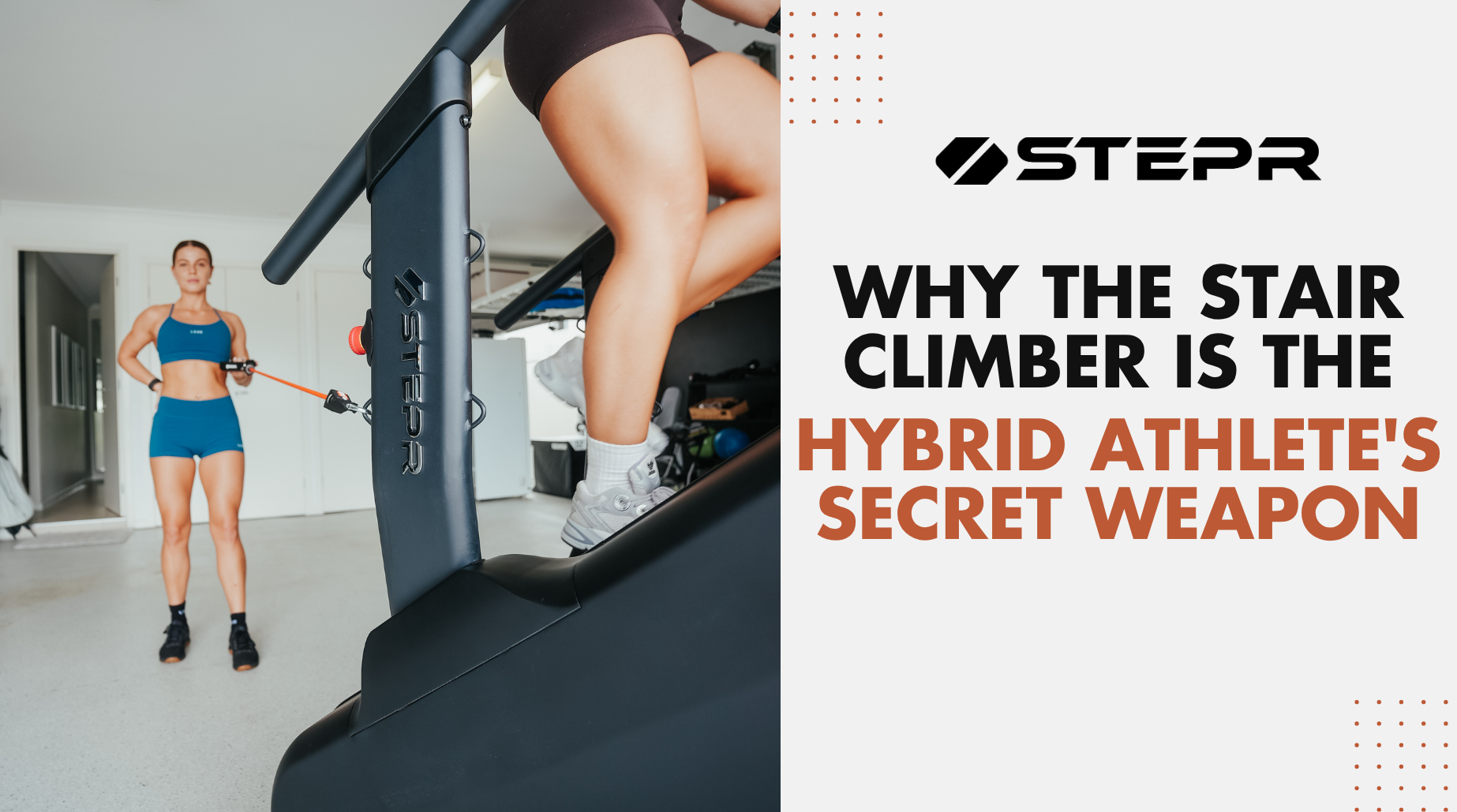
Why the Stair Climber Is the Hybrid Athlete's Secret Weapon
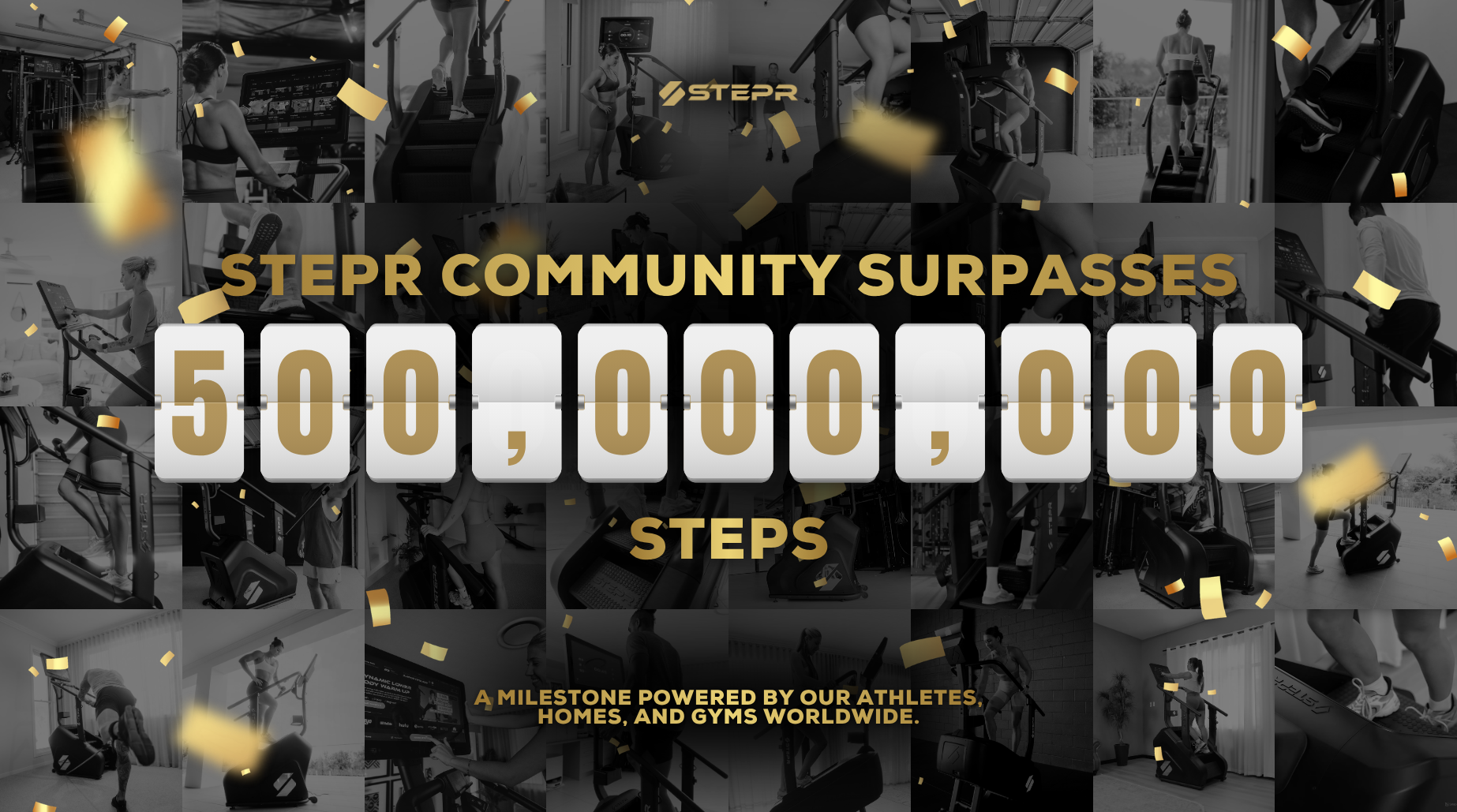
STEPR Community Surpasses 500 Million Steps: A Milestone Worth Celebrating
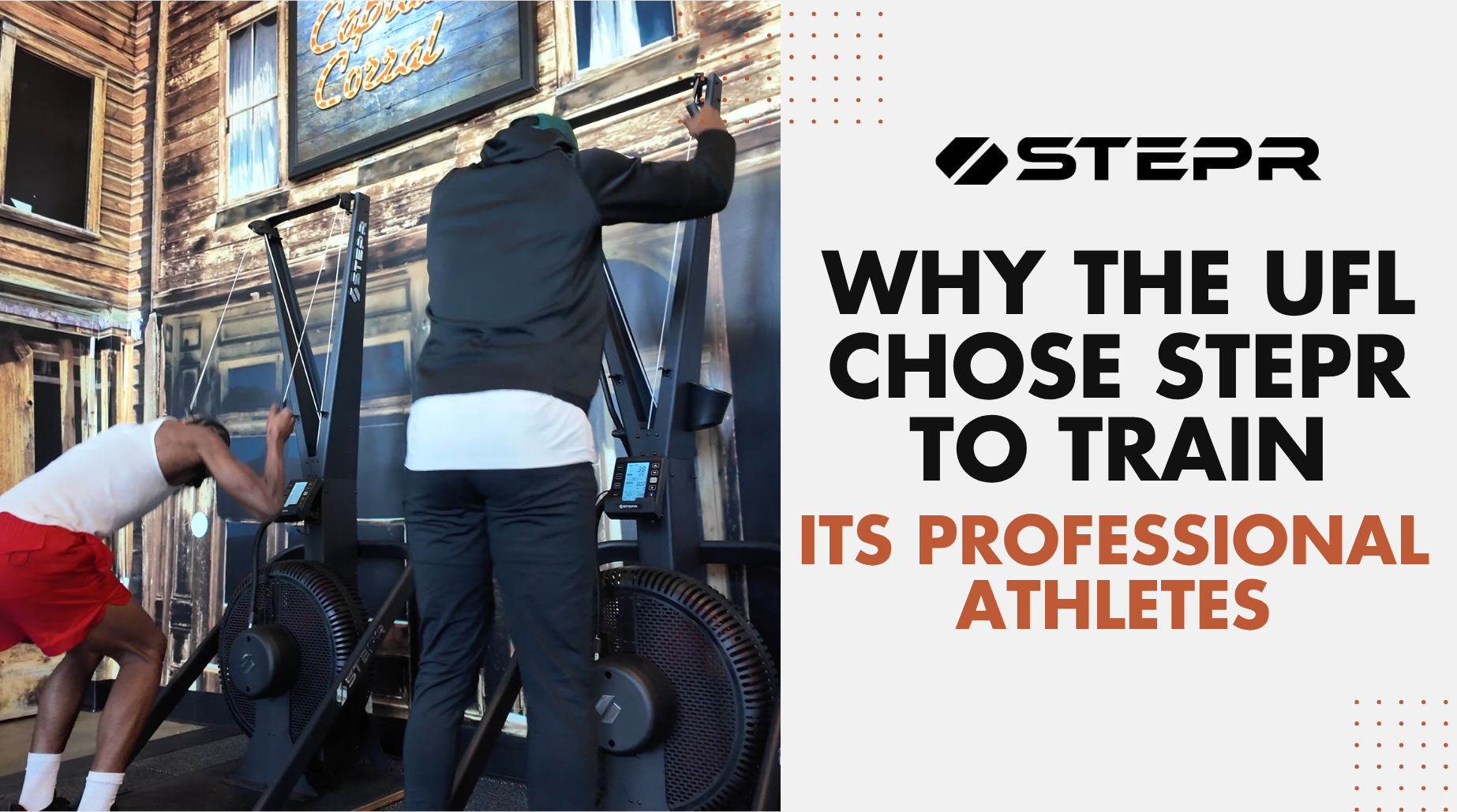
Why the UFL Chose STEPR to Train Its Professional Athletes
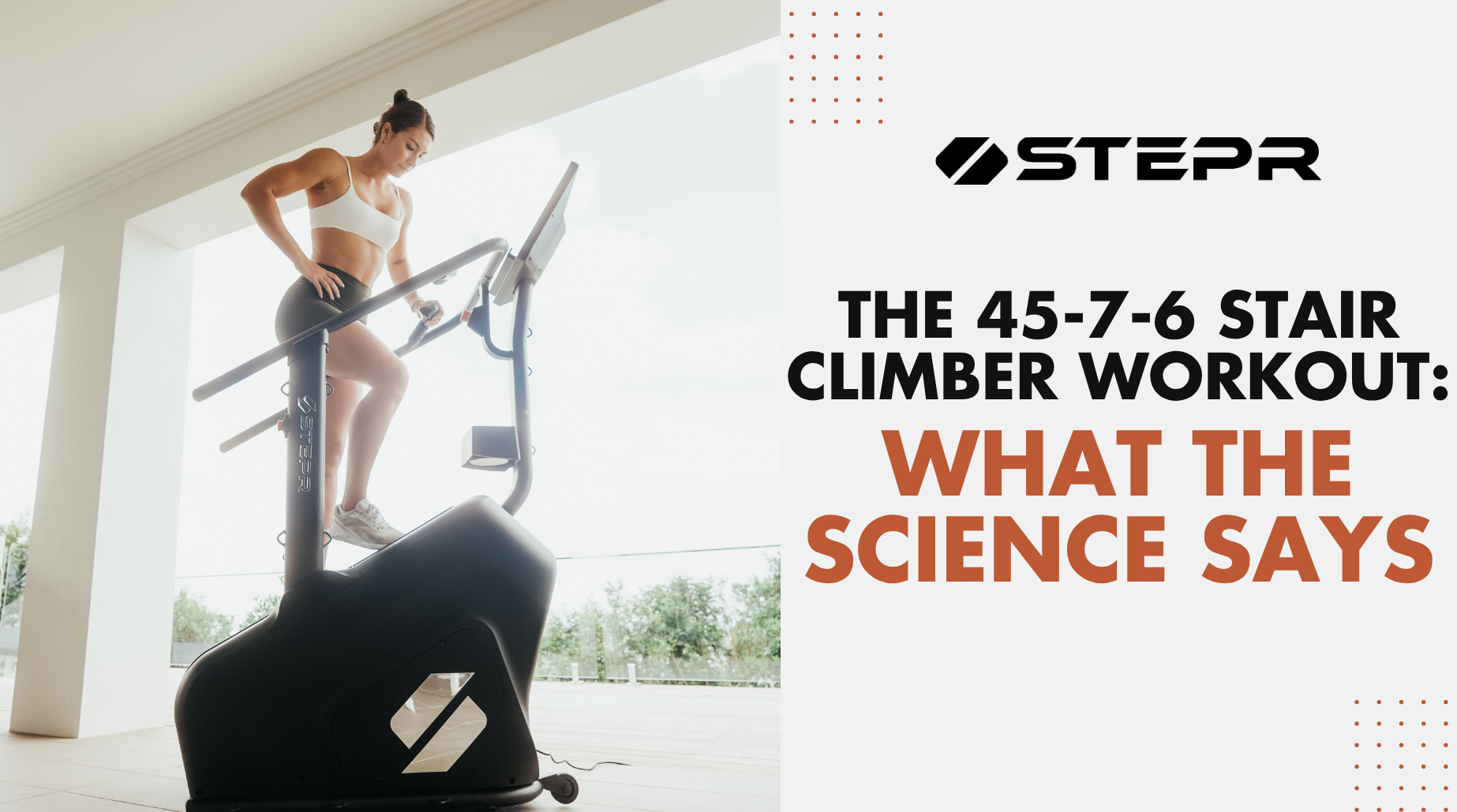
The 45-7-6 Stair Climber Workout: What the Science Says
It's Our Anniversary: Celebrating STEPR's Biggest Birthday Yet
STEPR Partners with CrossFit Semi-Final Legends Championship in California