STORE FINDER



Your Glutes Are Switched Off. Here Is Why Stair Climbing Fixes It.
Your glutes are probably switched off
Not weak. Not undertrained. Switched off.
If you sit for most of your working day, there is a high probability that your glutes are operating at a fraction of their intended capacity, regardless of how many squats you do or how many hours you spend in the gym. The problem is not one you can outwork with more sets. It is a neurological pattern your body has learned from years of sitting, and reversing it requires understanding what is actually happening before you can fix it.
This is the condition physiotherapists and exercise scientists call gluteal amnesia. Some call it dead butt syndrome. Both names describe the same mechanism: your glutes have been in one position for so long by the position your body holds during sitting that your nervous system has partially stopped recruiting them, even during movements that should demand them.
It is more common than most people realise, it causes more downstream dysfunction than most people know and some of the most popular training approaches do not fix it.

What is actually happening when you sit
When you sit, your hip flexors, the muscles at the front of your hip that connect your femur to your lumbar spine, contract and shorten to hold your thighs parallel to the ground. Simultaneously, your glutes lengthen and become passive. They are not doing anything. They are simply along for the ride.
This is fine for a short time sitting or a short rest. The problem is that most modern workers spend six to ten hours per day in this position. Over time, the shortened hip flexors begin to adapt to their contracted state, losing range and developing tightness. Simultaneously, the nervous system's signalling to the glutes weakens through a process called reciprocal inhibition: when the hip flexors are chronically active, the opposing glutes are chronically inhibited. The brain essentially reduces its recruitment signal to the glutes because they are not being asked to work.
The result is glutes that are present but neurologically underperforming. You can see them in the mirror. Your body knows they exist. But when you ask them to fire under load, a significant portion of the recruitment signal never arrives.

Why this matters beyond aesthetics
Most conversations about glutes focus on appearance. The functional consequences are considerably more serious.
When the glutes fail to fire properly, other structures compensate. The lower back, particularly the erector spinae and quadratus lumborum, takes on load it was not designed to sustain. The hamstrings overwork to compensate for reduced glute drive. The piriformis and other deep hip rotators become chronically tight as they substitute for glute medius function. The knees experience altered tracking because the hip stabilisation that should come from glute medius is absent.
The downstream list is long: chronic lower back pain, anterior knee pain, IT band syndrome, hip impingement, and reduced power output in every movement that requires hip extension, including running, jumping, and carrying. Research has found associations between reduced glute activation and increased injury risk in athletes, and physiotherapists consistently report that gluteal amnesia is a contributing factor in a significant proportion of lower back pain presentations.
For the desk worker who also exercises, this creates a specific problem. You are training hard, but the primary muscle group for lower body power and hip extension is operating at reduced capacity. Your squat, your deadlift, your sprint, and your stair climb are all producing less output than they should, and your lower back is absorbing load that your glutes should be managing.

Why your gym session is probably not fixing it
This is the part that surprises people. Squats, lunges, deadlifts, and hip thrusts are all legitimate glute exercises. Used correctly and with proper activation, they build genuine glute strength. The problem is that gluteal amnesia means your nervous system is not reliably recruiting your glutes during these movements.
Without intentional activation, your body defaults to the compensation patterns it has rehearsed all day. The lower back and hamstrings pick up the load. The glutes contribute less than they should. You finish your set feeling the effort in your hamstrings and lower back, which confirms that the compensation pattern held.
This is why physiotherapists typically begin glute rehabilitation not with heavy compound movements but with activation work: clamshells, glute bridges, lateral band walks. The goal is to re-establish the neurological signal before loading. Once the signal is reliable, heavy compound work follows.
The gap in most training programmes is that activation is skipped, compound movements are loaded, and the compensation patterns persist regardless of how hard the training is. You can build strong hamstrings and a strong lower back while your glutes remain under recruited.
If you have ever noticed that you feel your squats primarily in your quads and lower back rather than your glutes, or that your hip thrusts seem to produce more hamstring than glute sensation, gluteal amnesia is a likely explanation.
Why stair climbing is uniquely effective
Stair climbing occupies a specific biomechanical position that makes it one of the most effective corrective tools available for gluteal amnesia, and it is available as a sustained cardiovascular training modality rather than just a corrective exercise.
Every step on a stair climber requires the hip to move from a flexed position into full extension. That movement is the primary action of the glute max. Unlike running, where ground contact time is brief and hip extension is often incomplete, stair climbing forces a deliberate, loaded hip extension with every single step. The glutes are being asked to produce force through their full functional range hundreds of times per session.
The stepping motion also demands glute medius activation for lateral hip stabilisation on the standing leg. The gluteus medius, the muscle that prevents the hip from dropping when you stand on one leg, is chronically underworked in people with sitting-dominant lifestyles. Stair climbing places continuous demand on it.
The cumulative effect of a 30 to 45 minute stair climbing session is hundreds of forced, loaded hip extension cycles. That is not a corrective drill. That is a significant neurological and mechanical stimulus for glute reactivation.
There is a reason physiotherapists routinely prescribe stair climbing as rehabilitation for hip and lower back dysfunction. The movement pattern directly addresses the mechanism of the problem rather than working around it.
The STEPR stair climber range delivers this pattern with more than 100 resistance levels, meaning the load can be calibrated precisely to where your body actually is right now, rather than where you assume it should be. Starting at a resistance level that allows clean hip extension with genuine glute drive is more productive than loading too heavy and reverting to compensation patterns. As recruitment improves, resistance increases. The progression is controlled, not guessed.
For a deeper look at how STEPR stair climbers compare to what else is available in home cardio, the active couch potato blog covers why sustained cardiovascular output matters alongside targeted movement quality.

The simple protocol that actually works
Fixing gluteal amnesia does not require an entirely new training programme. It requires two things before your STEPR sessions: activation, and then load.
Before you step on: spend five minutes on targeted pre activation. Bodyweight glute bridges, clamshells, and a banded lateral walk are enough. The goal is not fatigue. The goal is to send the neurological signal to your glutes before you ask them to work under load. This is the step most people skip and the reason most training sessions do not fix the underlying problem.
On the stair climber: start at a slow, steady speed level where you can feel your glutes doing the work. Slow the step down if necessary. Focus on pushing through the heel rather than the ball of the foot, which shifts the mechanics of the exercise toward the glute rather than the quad. As the session progresses and recruitment improves, increase speed.
After your session: hip flexor stretching. Two to three minutes of a deep lunge stretch on each side begins to address the shortened hip flexors that are driving the reciprocal inhibition. You cannot fully resolve gluteal amnesia without addressing the tightness pulling on the opposite side of the joint.
Consistency across two to three weeks will produce a noticeable change in both how your glutes feel during training and how your lower back feels during the working day.
The recalibration this requires
If you have been training consistently and still dealing with lower back tightness, quad-dominant squats, or the persistent sense that your glutes are not working the way they should, gluteal amnesia is worth investigating as the cause before adding more training volume.
More load on top of compensation patterns does not fix the compensation. It reinforces it. The correction is neurological first, then mechanical. Restore the signal, then build the capacity.
Stair climbing offers a rare combination: it is a genuine cardiovascular training stimulus that simultaneously addresses the specific functional deficit that desk work creates. It is not a corrective exercise that takes time away from real training. It is real training that happens to correct the problem while it is happening.
For people who sit for a living and train seriously, that combination is genuinely hard to find elsewhere.
Frequently Asked Questions:
What is glute amnesia and who does it affect?
Glute amnesia, also called dead butt syndrome, describes a condition where the gluteal muscles become neurologically underactivated due to prolonged sitting. The hip flexors shorten during long periods of sitting, which triggers reciprocal inhibition of the glutes through a process where chronically active muscles suppress the opposing muscle group. It is particularly common in desk workers but affects anyone who spends significant time seated, including people who train regularly.
Can I have glute amnesia if I exercise regularly?
Yes. Regular training does not prevent gluteal amnesia if the underlying sitting pattern is maintained. Without intentional pre-activation before compound exercises, the nervous system defaults to compensation patterns rehearsed during the working day, meaning the lower back and hamstrings take load that the glutes should be managing. Many consistent gym-goers have this pattern without realising it.
What are the signs that my glutes are underactivated?
Common signs include feeling squats primarily in the quads and lower back rather than the glutes, lower back pain that is not explained by injury, hip flexor tightness, IT band syndrome, and reduced hip extension range. If you press your fingers into your glutes during a hip thrust or squat and feel minimal contraction, reduced recruitment is likely.
Why is stair climbing more effective for glutes than other cardio?
Stair climbing forces complete, loaded hip extension with every step, which is the primary mechanical action of the gluteus maximus. Unlike cycling, which keeps the hip in a flexed position, or running, where ground contact is brief, stair climbing produces sustained hip extension demand over the full duration of the session. It also requires continuous glute medius activation for hip stabilisation on the standing leg. The result is hundreds of forced glute recruitment cycles per session.
How long does it take to notice improvement from stair climbing?
Most people who add consistent stair climbing with pre-activation protocols notice a difference in glute sensation during training within two to three weeks. Lower back tightness associated with compensation patterns typically improves within the same window. Full resolution of chronic compensation patterns takes longer and varies with how long the pattern has been established.
Do I need to do anything before getting on the stair climber?
Pre-activation is strongly recommended. Five minutes of glute bridges, clamshells, or banded lateral walks before stepping on establishes the neurological recruitment signal before load is applied. Skipping this step and going straight to a loaded stair climber session is likely to replicate the compensation patterns rather than override them.
Explore the Full STEPR Range | Find out about VPR Technology | FREE STEPR Matchmaking Quiz | Discover More STEPR Blogs and Helpful Tips | Find A Store Near You
[Or Click the Button Below to Shop Now]

The information in this article is intended strictly for educational and informational purposes and does not constitute medical advice, diagnosis, or treatment. Always seek the guidance of a licensed physician, physical therapist, or qualified healthcare provider regarding any medical condition or before making changes to your training regimen. Individual fitness results may vary based on effort, consistency, and health history.
STEPR Blog posts
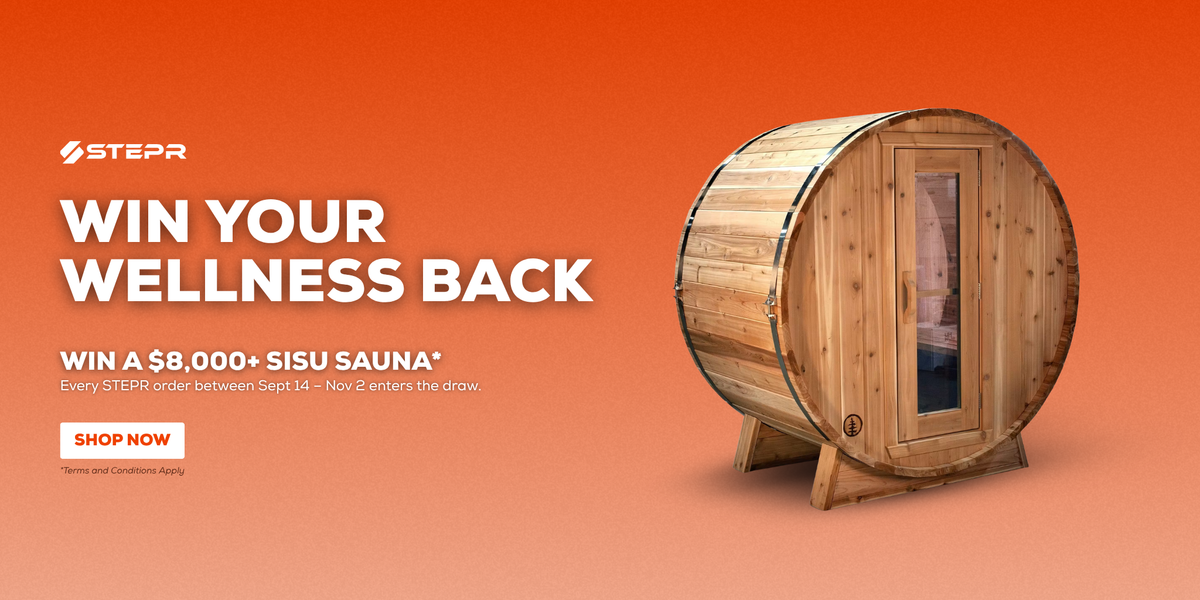
Win an $8,000 Sisu Sauna With Any STEPR Purchase This October Only
Any STEPR purchase this month enters you into the draw for a Sisu barrel sauna worth over $8,000. Here is who this giveaway is built for and how to train and recover with both.
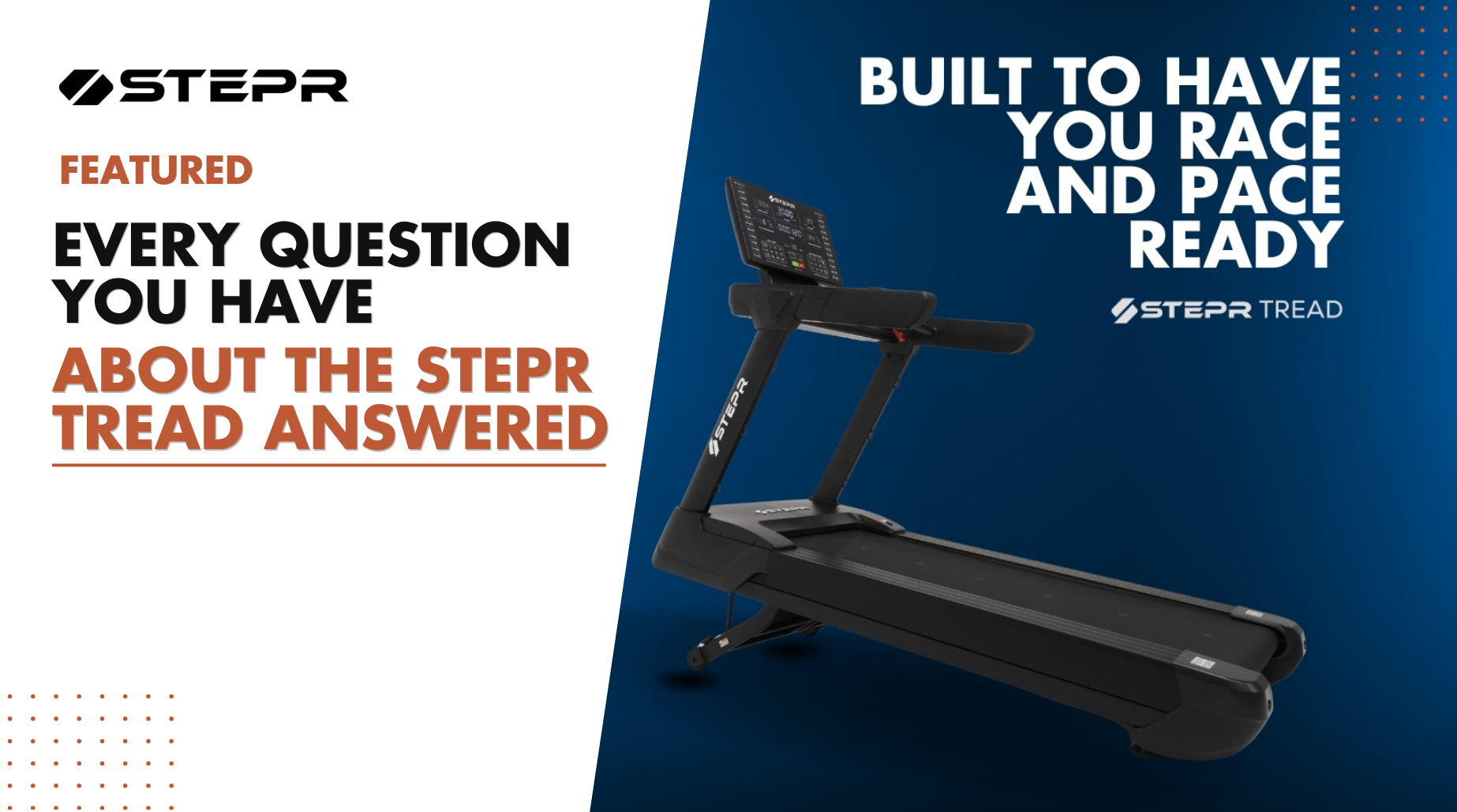
Every Question You Have About the STEPR TREAD Answered
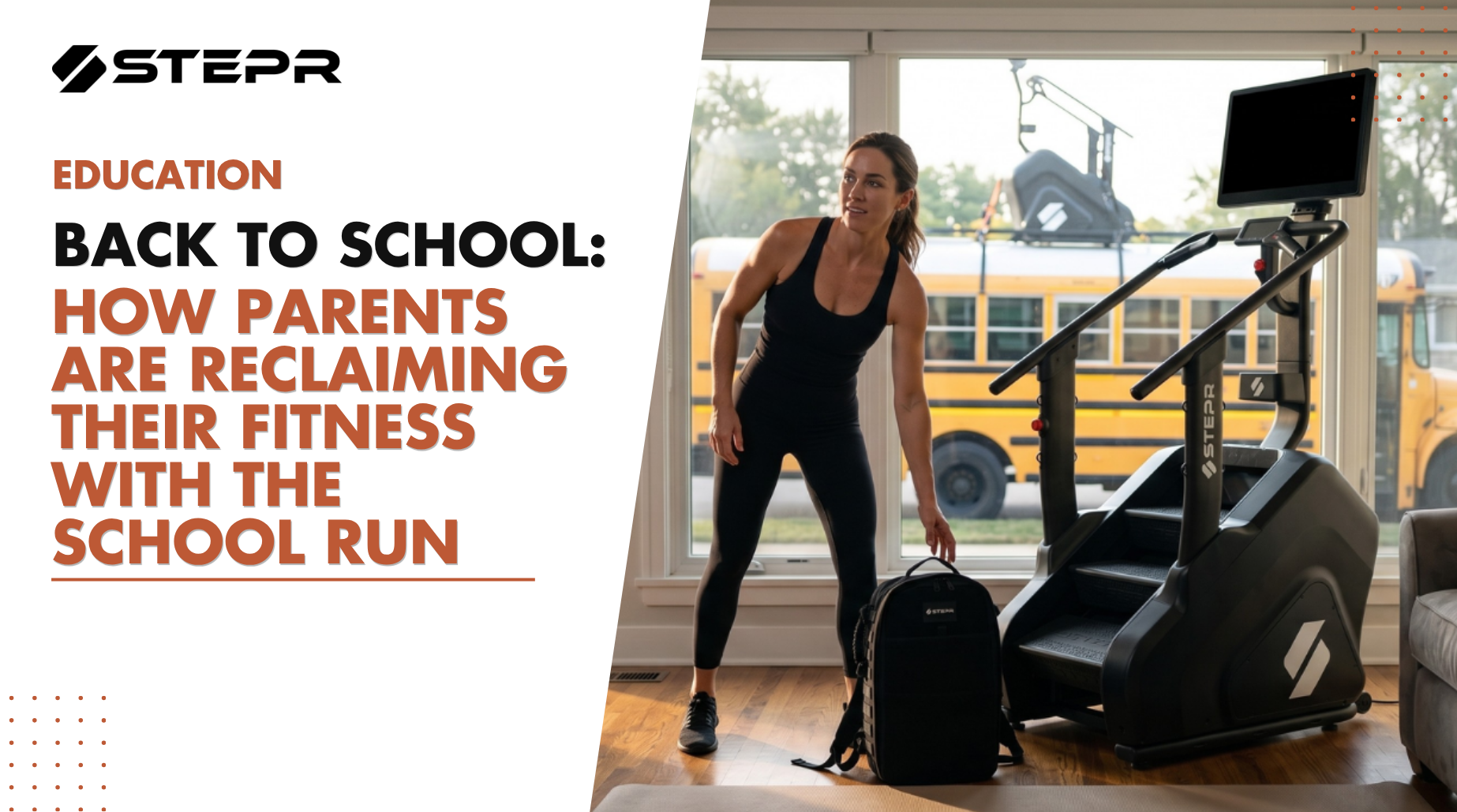
Back to School: How Parents Are Reclaiming Their Fitness With the School Run
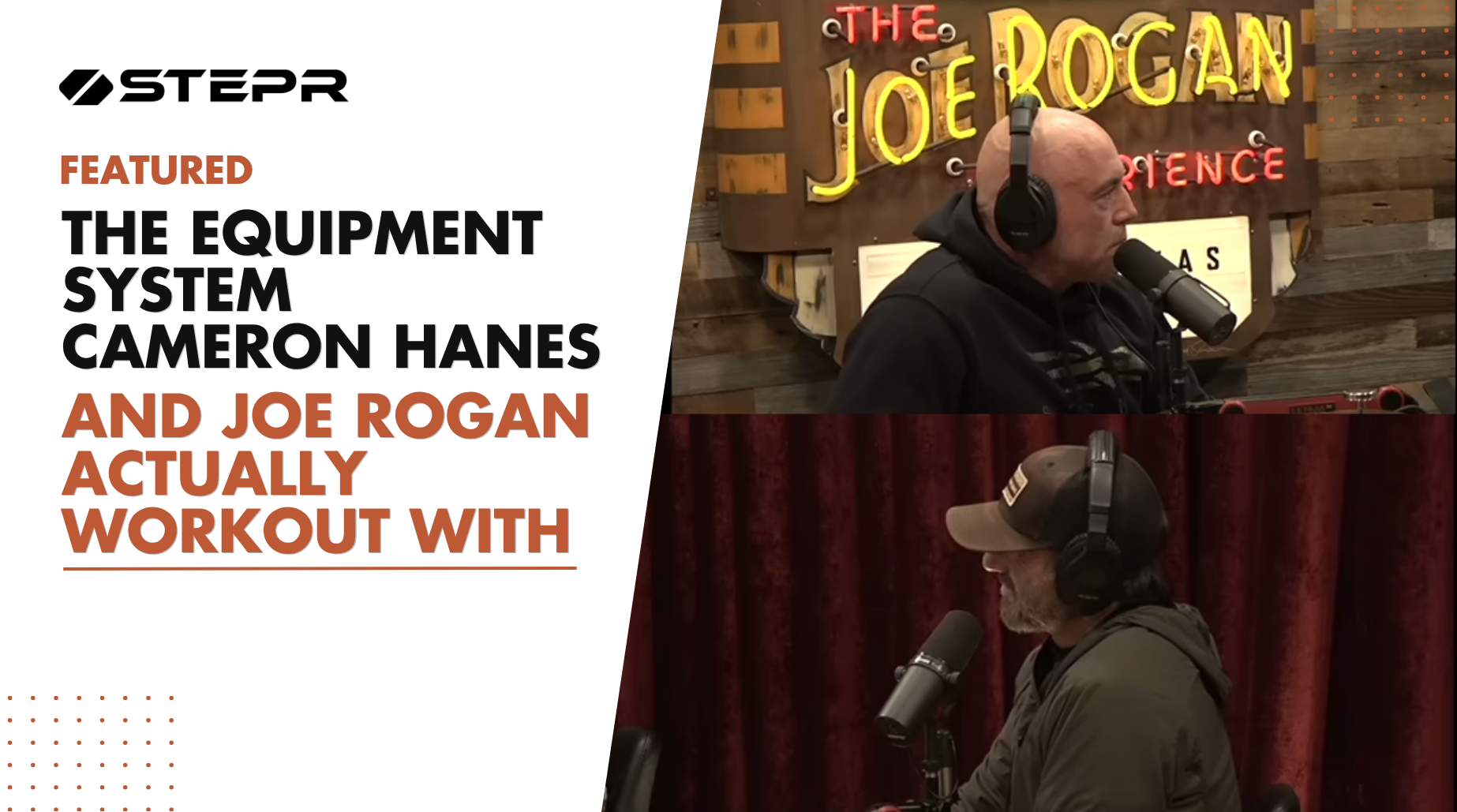
The Equipment System Cameron Hanes and Joe Rogan Actually Workout With
Joe Rogan called it "the Echo Bike, but times two." Now Cameron Hanes is training with STEPR VPR™ in a hypoxic wellness studio. Here is what they are using and why the world's most relentless athletes keep choosing it.
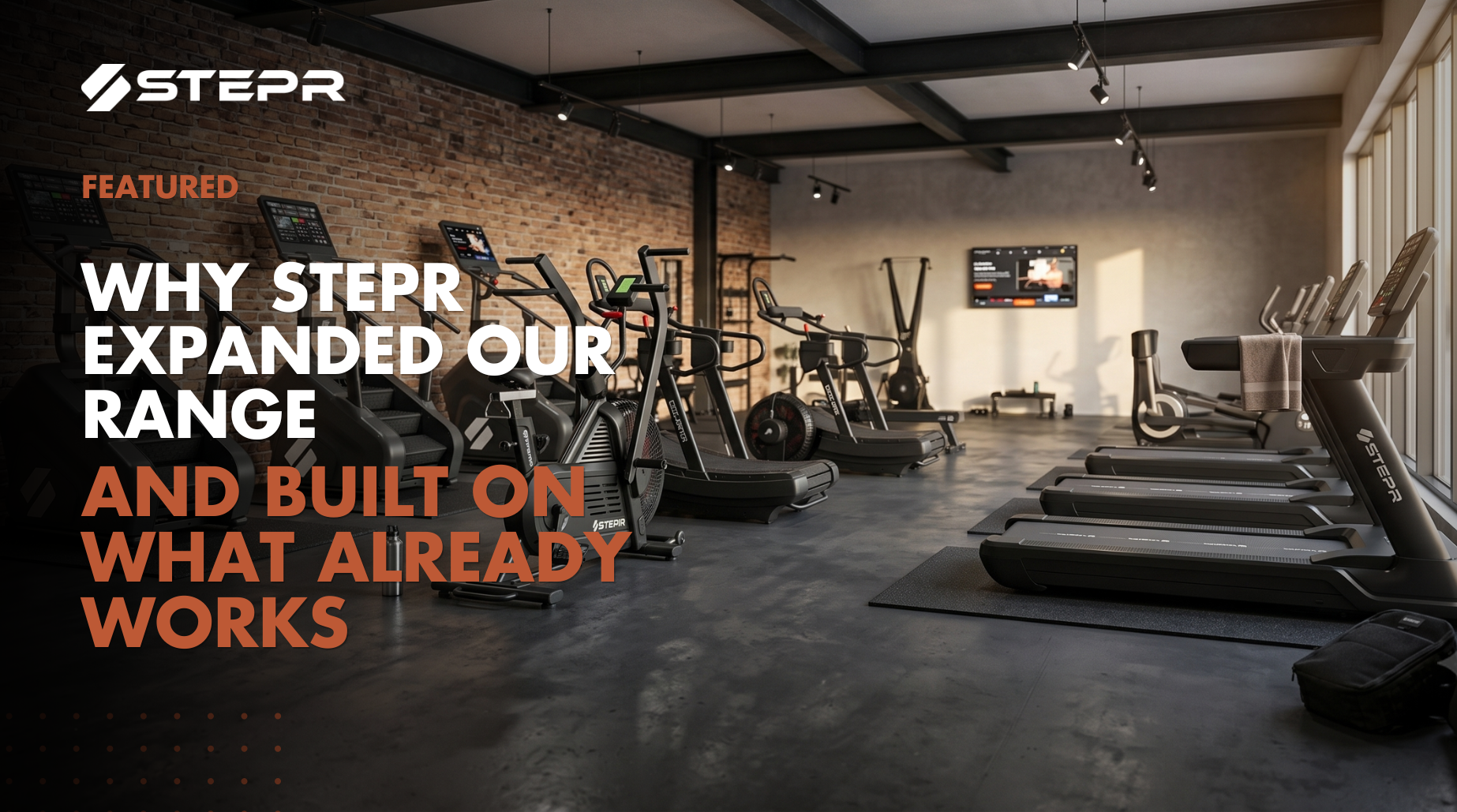
Why STEPR Expanded our Range and Built on What Already Works
STEPR was built on a simple premise: the most effective training modalities already exist. The question was never "what to invent from scratch" it was "how do we bring genuine innovation to what already works". Here is why the range looks the way it does.
Home Cardio Machines: Why Value Beats Price Every Time
Why the Stair Climber Is the Hybrid Athlete's Secret Weapon
STEPR Community Surpasses 500 Million Steps: A Milestone Worth Celebrating
Why the UFL Chose STEPR to Train Its Professional Athletes
The 45-7-6 Stair Climber Workout: What the Science Says

It's Our Anniversary: Celebrating STEPR's Biggest Birthday Yet