STORE FINDER


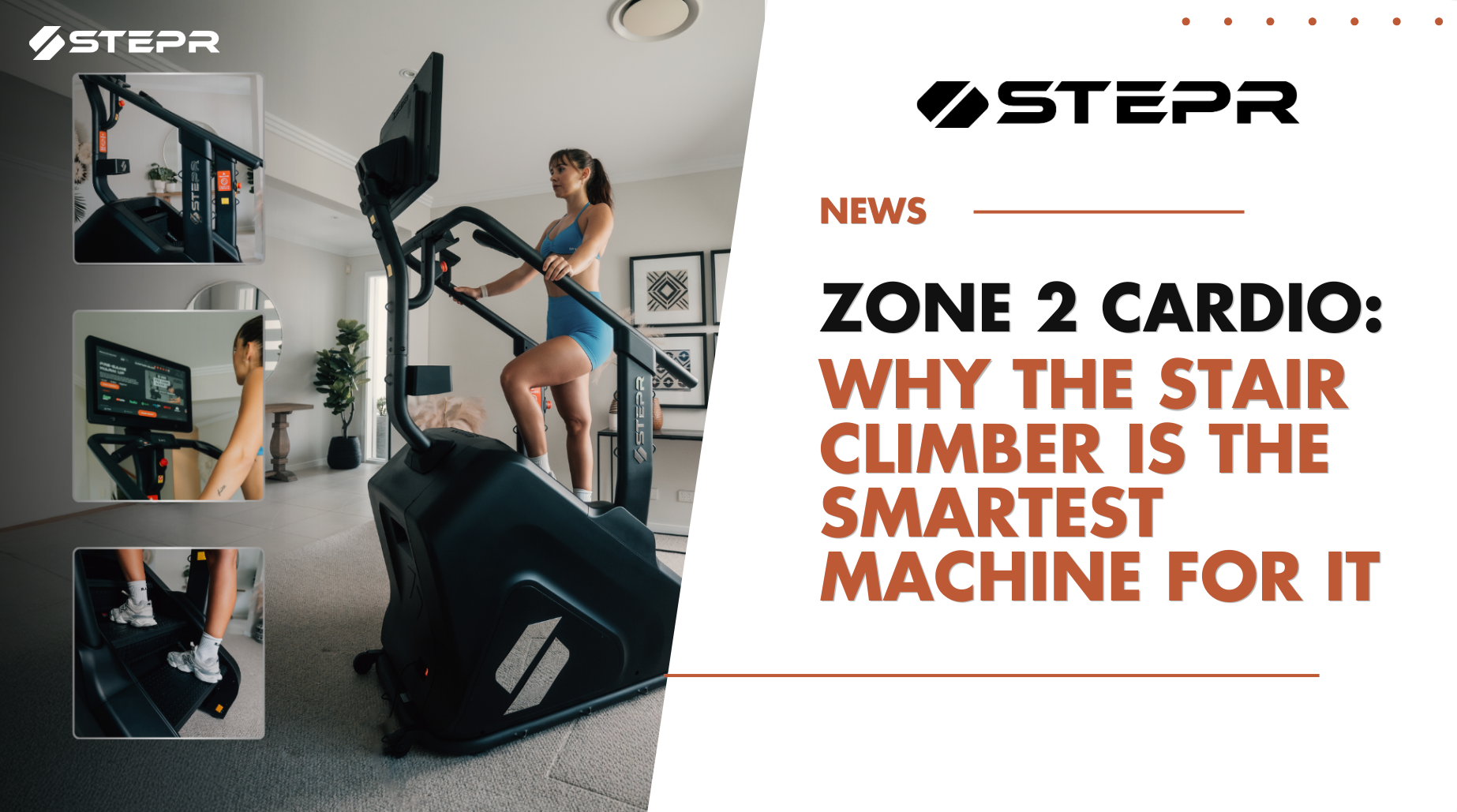
Zone 2 Cardio: Why the Stair Climber Is the Smartest Machine for It
Most people are training too hard without actually getting fitter. That sounds wrong. But according to recent sports science research and data, is actually completely true.
Zone 2 cardio, steady state aerobic work at 60 to 70% of your maximum heart rate, is the intensity that builds the mitochondrial engine your body runs on. It is the work that makes every other workout more effective, extends your aerobic ceiling, and according to longevity physician Dr. Peter Attia, is "probably the most important thing you can do for longevity from an exercise standpoint." And it is the intensity that the majority of people who train regularly almost never spend enough time in.
The stair climber is the best machine for it. From hybrid athlete's to post partum mum's and everyone in between, Here's why.

What Zone 2 actually is
Zone 2 is not a pace. It is not a speed setting. It is a physiological state in which your body is working hard enough to elevate heart rate and recruit the slow twitch Type I muscle fibres, but not so hard that it crosses into anaerobic territory where lactate accumulates faster than it can be cleared. For most people, that sits between 60 and 70% of maximum heart rate. A simple starting formula: subtract your age from 220 to estimate your maximum heart rate, then multiply by 0.60 and 0.70. A 40 year old would target roughly 108 to 126 beats per minute.
At that intensity, your body uses fat as its primary fuel source. Your mitochondria, the energy producing structures in your muscle cells, are working at full capacity. Over weeks and months of consistent Zone 2 training, those mitochondria multiply. Your cells become more efficient at producing energy and assisting with your overall longevity. That is not a marginal adaptation. It is the adaptation that determines how well your cardiovascular system performs at every other intensity.
Why most people skip it without realising
The problem with Zone 2 is that it feels easy. When you are used to pushing hard, a workout that holds you at a conversational pace feels like you aren't doing enough. So people push harder. They tip into Zone 3, sometimes called "junk miles," which is the grey zone that is too hard to recover from quickly but not hard enough to generate the same high intensity adaptations as a proper sprint or interval session. Research suggests the average recreational athlete spends 50% or more of their training time in this no man's land, getting none of the mitochondrial benefits of true Zone 2 nor the VO2 max gains of genuine high intensity work.
The fix is not complicated. It requires discipline, a reliable machine, and the ability to hold a steady controllable output for 30 to 60 minutes without drifting.

Why the stair climber is the right machine
The stair climber has a mechanical advantage that almost every other cardio machine lacks. Because it continuously loads the glutes, hamstrings, quads, and calves under gravity resistance rather than just momentum, it recruits a very large volume of slow twitch muscle fibre at a continuous step rate. At 50 to 65 steps per minute on a stair climber, most moderately fit people will find their heart rate settling naturally into Zone 2 territory. On a treadmill, reaching the same heart rate often requires an aggressive incline or a jogging pace, which changes the biomechanics and adds considerably more joint load. On a stationary bike, achieving Zone 2 is possible but requires careful calibration of resistance and cadence.
The stair climber does the work of finding Zone 2 for you. The step pattern is inherently rhythmic and controllable. You are not fighting inertia, momentum, or changing terrain. You set the pace. You hold the pace. Which is much more efficient for staying in a consistent zone 2 across a full workout.

Why STEPR stair climbers hold Zone 2 better
This is where STEPR separates itself from conventional stair climbers. Standard step machines have limited and lacklustre resistance ranges with a fixed mechanical feel. The result is that finding and holding Zone 2 often means navigating a very narrow band of settings. Too slow and you drop below your target heart rate. Too fast and you tip above it into zone 3. Neither produces the mitochondrial results your training for.
STEPR's stair climbers are overbuilt and engineered with years of refining, which means the resistance range is wider, the step mechanism is mechanically consistent (and with a more natural feel) at every setting, the output you dial in is the output you actually get. That granularity matters specifically in Zone 2 training because the physiological window you are targeting is not enormous. Small variations in effort level that would be irrelevant in a general workout become meaningful when the goal is sustained, precise cardiovascular output over 30 to 60 minutes.
The consistency of a refined step mechanism and floating step through design also removes the variability that cheaper machines introduce: belt drift, resistance fluctuation, and mechanical noise that disrupts your rhythm and forces micro adjustments that push you out of zone and out of a consistent rhythm. On a STEPR, you set your pace and the machine holds it. Your heart rate stabilises. Your session delivers the exact results and zone that you're aiming for.
Thirty to sixty minutes at that intensity, three to four times per week, is what Dr. Peter Attia recommends for meaningful aerobic adaptation. However you should always check with your own health professional to ensure you are training to your specific body's standards and needs.

The practical protocol
Start by calculating your Zone 2 heart rate range (220 minus age, then multiply by 0.60 and 0.70). Strap on a heart rate monitor. Set the STEPR at a step rate between 50 and 70 steps per minute, beginning on lower resistance. Give yourself five minutes to warm up, then check your heart rate. Adjust step rate as your primary lever. Your hands should rest lightly on the rails for balance only, or step hands free for a more natural stepping motion as your confidence builds. Hold that zone for 30 minutes minimum, checking heart rate every five minutes, step height also plays a factor here (see our comparison guide here for a breakdown of step heights across our stairclimber range).
The talk test is a useful backup. You should be able to speak in full sentences, but not comfortably carry on a long conversation. If you cannot string a sentence or two together, you have gone above Zone 2. If it feels entirely effortless, bring the pace up slightly.

The long game
Zone 2 training is not the workout that looks impressive. It is the training that makes every other workout more productive. Athletes who maintain consistent Zone 2 work have a larger aerobic base, recover faster from high intensity sessions, and demonstrate significantly better cardiovascular health markers over time. Research has found that those who maintained aerobic fitness through moderate intensity exercise had a 30% lower risk of all cause mortality compared to sedentary individuals.
The stair climber is efficient for Zone 2 not just because of its muscle recruitment but because it is low impact. Your knees, hips, and ankles absorb far less load than they would during jogging at the same heart rate. That means you can accumulate the 3 to 4 hours of weekly Zone 2 work that Attia recommends without the recovery debt that running at that volume creates.
Train smarter. Train slower. Train longer. Make fitness the easiest part of your day. The results compound in ways that people still grinding through Zone 3 will not understand until they try the Zone 2 method.
 Frequently Asked Questions:
What heart rate should I target for Zone 2 on a stair climber?
Zone 2 sits at 60 to 70% of your maximum heart rate. Use the formula 220 minus your age to estimate your maximum, then calculate the range. A 35 year old would target approximately 111 to 129 beats per minute. On a stair climber, most people reach this range at 50 to 65 steps per minute on a moderate resistance setting. Use a chest strap heart rate monitor for accuracy as wrist-based monitors can lag during stepped movements.
How long should a Zone 2 stair climber session be?
Research and clinical recommendations align around 30 to 60 minutes per session, with a minimum of three sessions per week for meaningful mitochondrial adaptation. Dr. Peter Attia recommends accumulating 3 to 4 hours of Zone 2 work weekly across four or more sessions. A 45 minute STEPR session at a controlled step rate is one of the most time efficient ways to hit that target while keeping joint load low.
Is Zone 2 cardio on a stair climber good for weight loss?
Yes, and for a specific reason. Zone 2 is the intensity at which your body maximises fat oxidation. It is burning fat as its primary fuel source rather than glycogen. This makes it particularly effective for body composition over time. It also does not generate the appetite response that high intensity cardio often triggers, which means you are less likely to compensate for the calories burned by eating more. Combined with the stair climber's high calorie burn per session, it is a highly efficient approach to fat loss.
How is Zone 2 different from regular steady state cardio?
Zone 2 is a specific physiological band, not just any comfortable pace. Plenty of steady state cardio tips into Zone 3, which research describes as the grey zone that is too hard to recover from easily but not intense enough to generate the VO2 max adaptations of proper high intensity intervals. The key difference is precision. Zone 2 requires you to monitor heart rate and stay within the 60 to 70% window. Above that threshold, the mitochondrial stimulus changes and the recovery cost increases.
Can beginners do Zone 2 training on a stair climber?
Absolutely, and in many ways the stair climber is better for beginners in Zone 2 than other machines. Because the step pattern naturally recruits large muscle groups, you reach Zone 2 heart rates at a lower speed than on a treadmill or bike. That makes it easier to sustain for 30 to 45 minutes without excessive fatigue. Start at 40 to 50 steps per minute and work up as your aerobic base develops. The STEPR's resistance range means you can find the exact output that keeps you in Zone 2 regardless of your current fitness level.
How often should I do Zone 2 cardio alongside strength training?
The current evidence supports Zone 2 training on separate days from lower body strength work where possible, since the sessions recruit the same Type I muscle fibres. If you must combine them, perform your strength work first and Zone 2 after. For most people training four to five days per week, two to three dedicated Zone 2 sessions on the stair climber alongside two strength sessions is a practical and effective split. Recovery between Zone 2 sessions is minimal compared to high intensity cardio, so stacking them on consecutive days is manageable.
If you have been grinding through workouts that feel hard but are not producing the results they should, Zone 2 is likely the missing piece. The stair climber gives you a machine that finds that zone naturally, holds it consistently, and does it without the joint load that makes sustained aerobic training hard to maintain week after week.
Explore the Full STEPR Range | Find out about VPR Technology | FREE STEPR Matchmaking Quiz | Discover More STEPR Blogs and Helpful Tips | Invest in STEPR
[Or Click the Button Below to Shop Now]

STEPR Blog posts
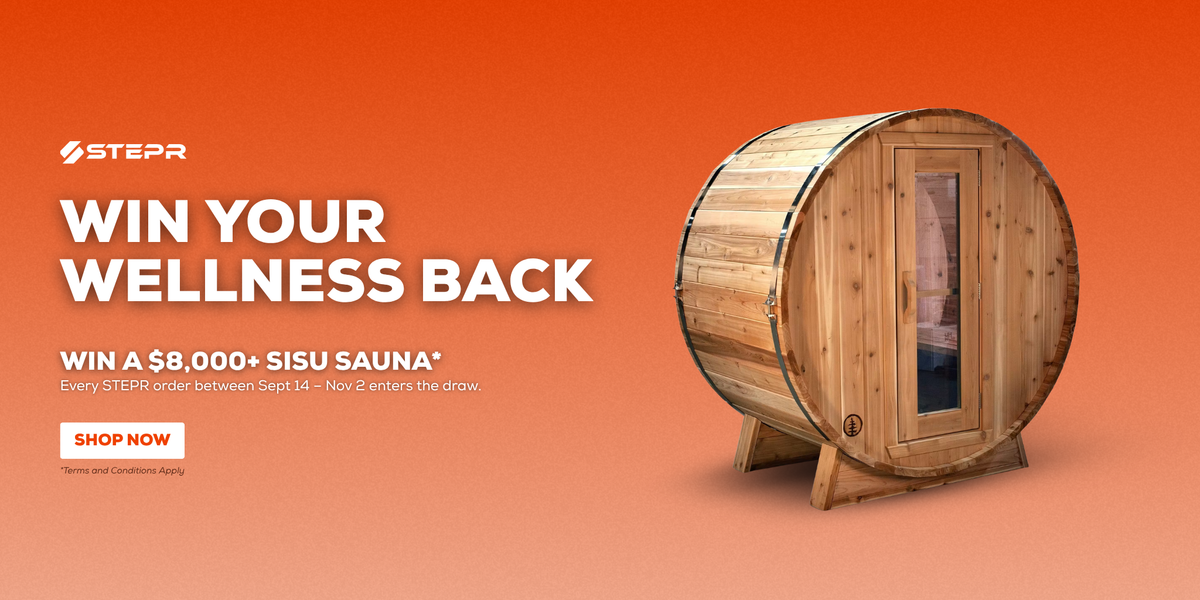
Win an $8,000 Sisu Sauna With Any STEPR Purchase This October Only
Any STEPR purchase this month enters you into the draw for a Sisu barrel sauna worth over $8,000. Here is who this giveaway is built for and how to train and recover with both.
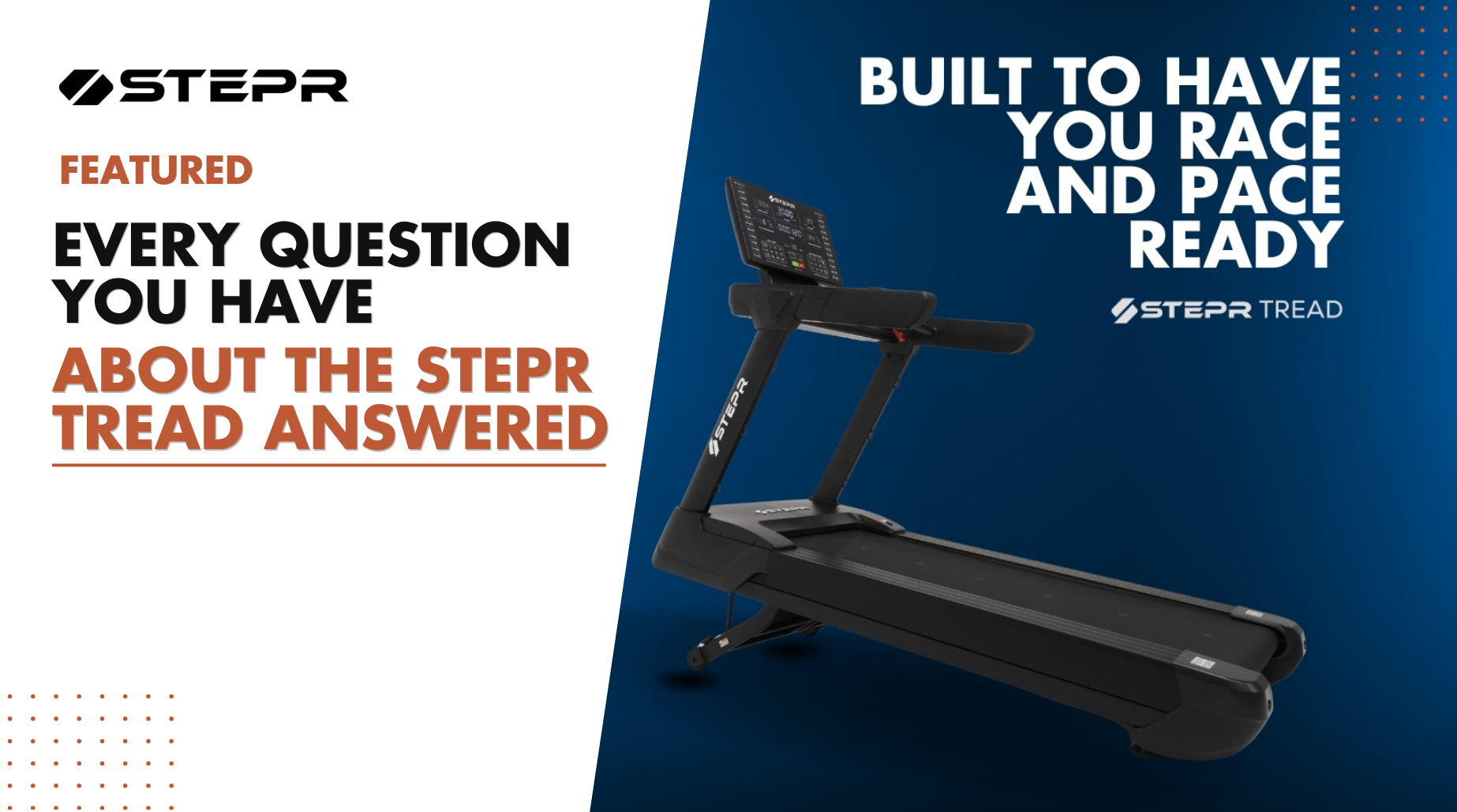
Every Question You Have About the STEPR TREAD Answered
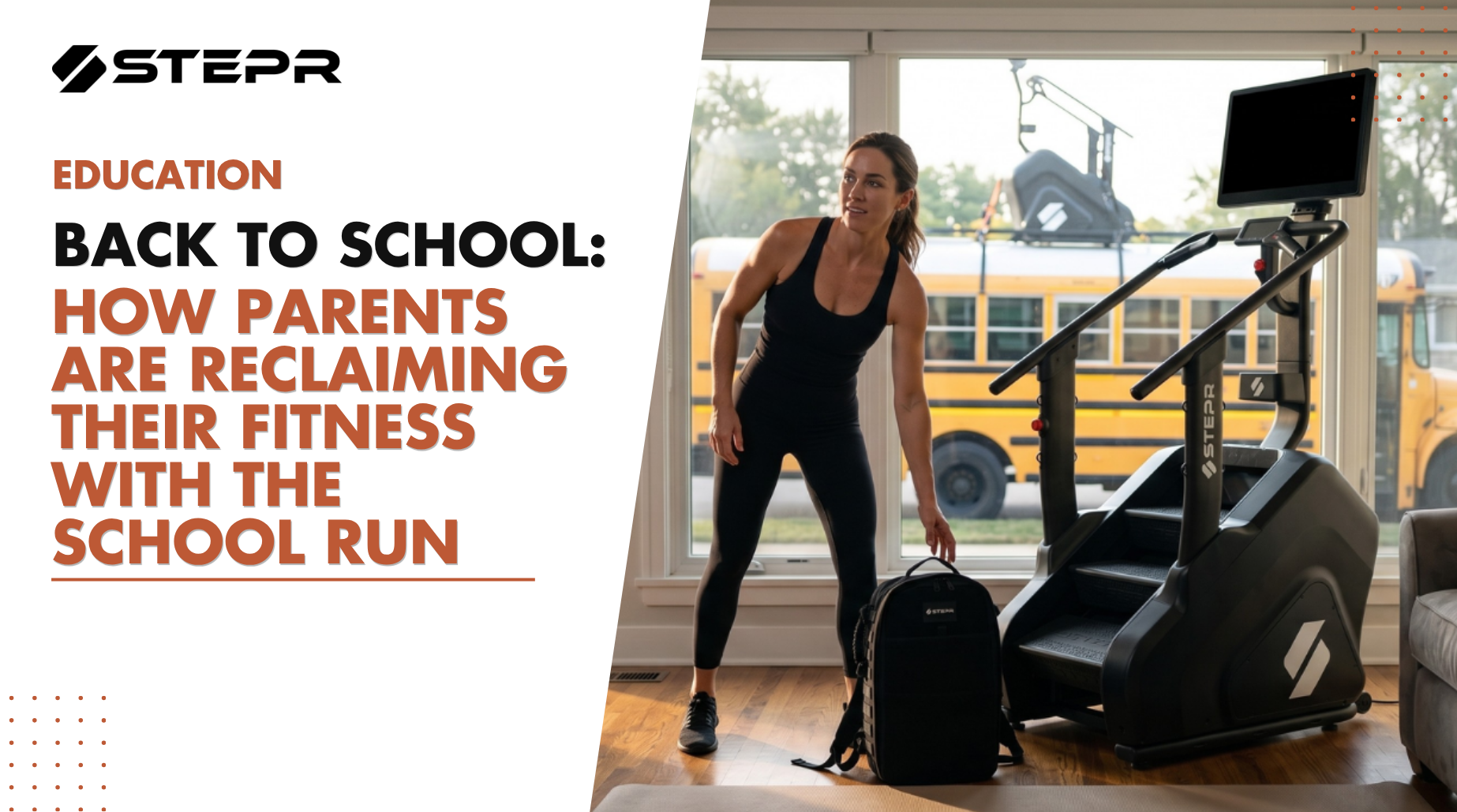
Back to School: How Parents Are Reclaiming Their Fitness With the School Run

The Equipment System Cameron Hanes and Joe Rogan Actually Workout With
Joe Rogan called it "the Echo Bike, but times two." Now Cameron Hanes is training with STEPR VPR™ in a hypoxic wellness studio. Here is what they are using and why the world's most relentless athletes keep choosing it.
Why STEPR Expanded our Range and Built on What Already Works
STEPR was built on a simple premise: the most effective training modalities already exist. The question was never "what to invent from scratch" it was "how do we bring genuine innovation to what already works". Here is why the range looks the way it does.
Home Cardio Machines: Why Value Beats Price Every Time
Why the Stair Climber Is the Hybrid Athlete's Secret Weapon
STEPR Community Surpasses 500 Million Steps: A Milestone Worth Celebrating
Why the UFL Chose STEPR to Train Its Professional Athletes
The 45-7-6 Stair Climber Workout: What the Science Says

It's Our Anniversary: Celebrating STEPR's Biggest Birthday Yet