STORE FINDER


Pregnancy and Postpartum Fitness: How STEPR Supports Your Journey Through Motherhood
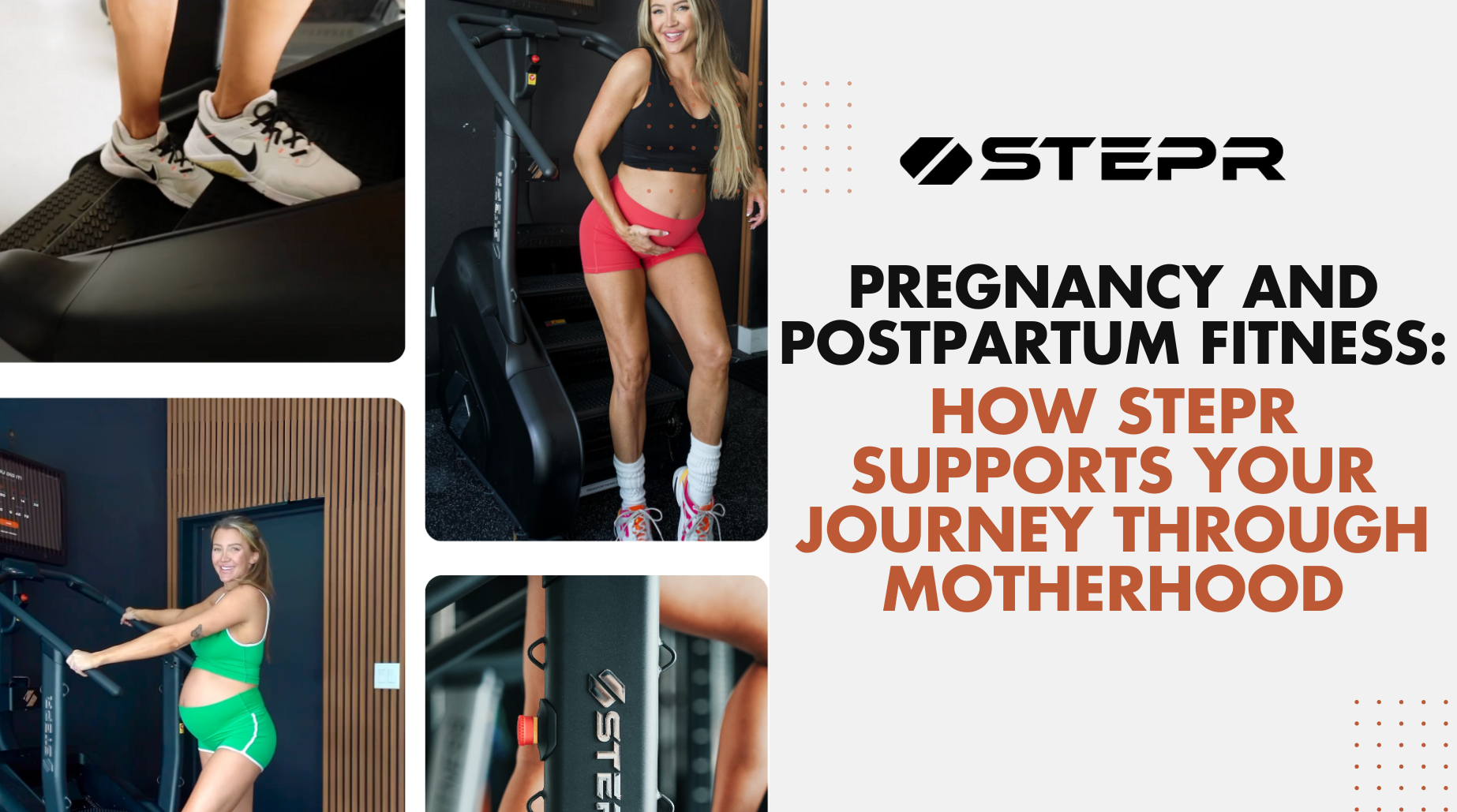
Becoming a mother might be the greatest endurance event the human body can ever experience. From the shifting centre of gravity during pregnancy to the round the clock demands of caring for a newborn, your fitness needs to be as resilient as you are.
At STEPR, we believe becoming a parent shouldn't mean pausing your health journey. Whether you're navigating your second trimester, preparing for labour, or rebuilding strength postpartum, the STEPR ecosystem is designed to scale with you providing safety first technology and low impact efficiency that fits into your new life.

Safety First Technology: Built for Your Changing Body
During and after pregnancy, balance and joint stability become top priorities. The STEPR is engineered with safety defining technology to give you complete peace of mind with every step.
Patented Floating Stadium Steps: Our floating step design accommodates almost any foot size, providing a stable, secure platform that reduces slip risk, crucial when your centre of gravity is constantly shifting during pregnancy.
Controlled Indoor Environment: Unlike running outdoors on uneven pavement or navigating public gym stairs, STEPR provides a controlled environment where you can gradually increase intensity without external hazards or weather concerns.
Rock Solid Stability: Built with a heavy duty welded steel frame, the STEPR ensures unwavering stability. You can focus entirely on your breath and form rather than worrying about machine movement or balance.
Emergency Stop Function: Instantly stop your workout at any moment if you experience discomfort or need to attend to your baby, a feature that provides critical control during both pregnancy and postpartum training.
Research Backed Benefits for Pregnancy Fitness
Medical research confirms that staying active during pregnancy provides significant benefits for both mother and baby, when done safely and with medical clearance.
Reduces Preeclampsia Risk: Studies show that women who remain active during pregnancy and engage in activities like stair climbing have a lower risk of preeclampsia, a potentially serious condition involving high blood pressure and kidney complications.
Lowers Gestational Diabetes Risk: Regular, moderate exercise helps regulate blood sugar levels, reducing the likelihood of developing gestational diabetes, one of the most common pregnancy complications.
Improves Circulation and Reduces Swelling: Physical activities like stair climbing help reduce common pregnancy discomforts including backaches, constipation, swelling, and bloating.
Builds Strength for Labour: Strengthening your leg muscles and improving cardiovascular fitness can significantly improve your ability to cope with the physical demands of labour and delivery.
Safe Exercise Guidelines for Pregnant Mums
The American College of Obstetricians and Gynecologists (ACOG) recommends at least 150 minutes of moderate intensity aerobic activity per week during pregnancy for healthy women with uncomplicated pregnancies.
First Trimester (Weeks 1-12): Generally safe to continue pre pregnancy exercise routines if you're healthy and have medical clearance. Your balance is still stable, making this an excellent time to establish or maintain fitness habits.
Second Trimester (Weeks 13-26): Many women experience increased energy during this phase. Continue moderate exercise, being mindful of your expanding belly and shifting centre of gravity. Hold the STEPR handlebar for additional support as needed.
Third Trimester (Weeks 27-40): Exercise extra caution as your centre of gravity shifts significantly. Move slowly, use the handlebar for support, take frequent breaks, and listen to your body. If stair climbing feels uncomfortable, consider alternative low impact exercises.
Always Consult Your Healthcare Provider: Every pregnancy is unique. Always get medical clearance before starting or continuing an exercise program, especially if you have pregnancy complications, history of miscarriage, bleeding, gestational diabetes, preeclampsia, or any other medical concerns.
The Vertical Advantage: Maximum Results in Minimal Time
One of the biggest challenges for new mums is finding time to exercise between nappy changes, feeding schedules, and everything else. The STEPR's vertical training delivers world-class results in a fraction of the time.
22.3 Calories Per Minute: Research shows vertical climbing burns up to 22.3 calories per minute, significantly more than running, swimming, or cycling, which typically peak at 13-14 calories per minute.
Perfect for Nap Time Workouts: Get a complete, effective workout in 20-30 minutes while your baby sleeps. No gym commute, no waiting for equipment, just efficient training when you need it.
Joint Friendly and Low Impact: Pregnancy hormones like relaxin make joints more vulnerable. STEPR provides non traumatic, low impact movement that protects your knees and hips while building the posterior chain strength essential for carrying your growing child.

Postpartum Recovery: Safely Rebuilding Your Strength
The postpartum period requires patience, compassion for your body, and a gradual return to exercise. The STEPR ecosystem supports you through every phase of recovery.
Timeline for Postpartum Exercise:
Weeks 0-6 (Immediate Postpartum): Focus on gentle movement like short walks once medically cleared. Avoid intense exercise until your 6 week postpartum check up. This is your body's crucial healing period.
Weeks 6-12 (Early Postpartum): After medical clearance at your 6 week check up, begin light walking and gentle stair climbing. Start with 10-15 minute sessions at a very comfortable, slow pace, gradually increasing duration as you feel stronger.
Weeks 12+ (Progressive Return): Most women can safely begin moderate intensity exercise around 12 weeks postpartum (longer for C-section recovery or complicated births). The STEPR allows you to gradually increase intensity as your strength returns.
Listen to Your Body: Stop immediately if you experience pain, bleeding, excessive fatigue, or pelvic floor symptoms like leaking. These are signs to slow down and consult your healthcare provider.
Benefits of STEPR for Postpartum Recovery:
Rebuilds Bone Density: Weight bearing exercise helps restore bone density lost during pregnancy and breastfeeding.
Strengthens Posterior Chain: Targets back, glutes, and core essential for improving posture after months of pregnancy and hours spent nursing or bottle feeding.
Combats Postpartum Depression: Exercise has been proven to reduce symptoms of postpartum depression and anxiety, improving mood and overall mental wellness.
Supports Healthy Weight Loss: When combined with proper nutrition, moderate exercise helps you lose pregnancy weight safely without compromising milk supply for breastfeeding mothers.
The STEPR+ Advantage: Entertainment Meets Education
The STEPR+ features a massive 27" HD connected touchscreen, more than just a workout monitor, it's a fully integrated Smart TV designed for the modern parent.
Learn While You Burn: Stream parenting tips, lactation guides, or educational content directly on YouTube while you train. No more choosing between "me time" and "learning time" now you can do both simultaneously.
Entertainment On Demand: Access Netflix, Hulu, Disney+, and Amazon Prime Video directly from the touchscreen. Make your 20 minute workout feel like a mental break rather than another item on your to-do list.
Coach Led Guidance: Follow expert led classes with options for prenatal and postnatal fitness. Professional coaches guide you through proper form and safe progression, especially valuable when you're sleep deprived and "mum brain" tired.

Beyond the Home: ALL-IN RUCK™ for Active Parents
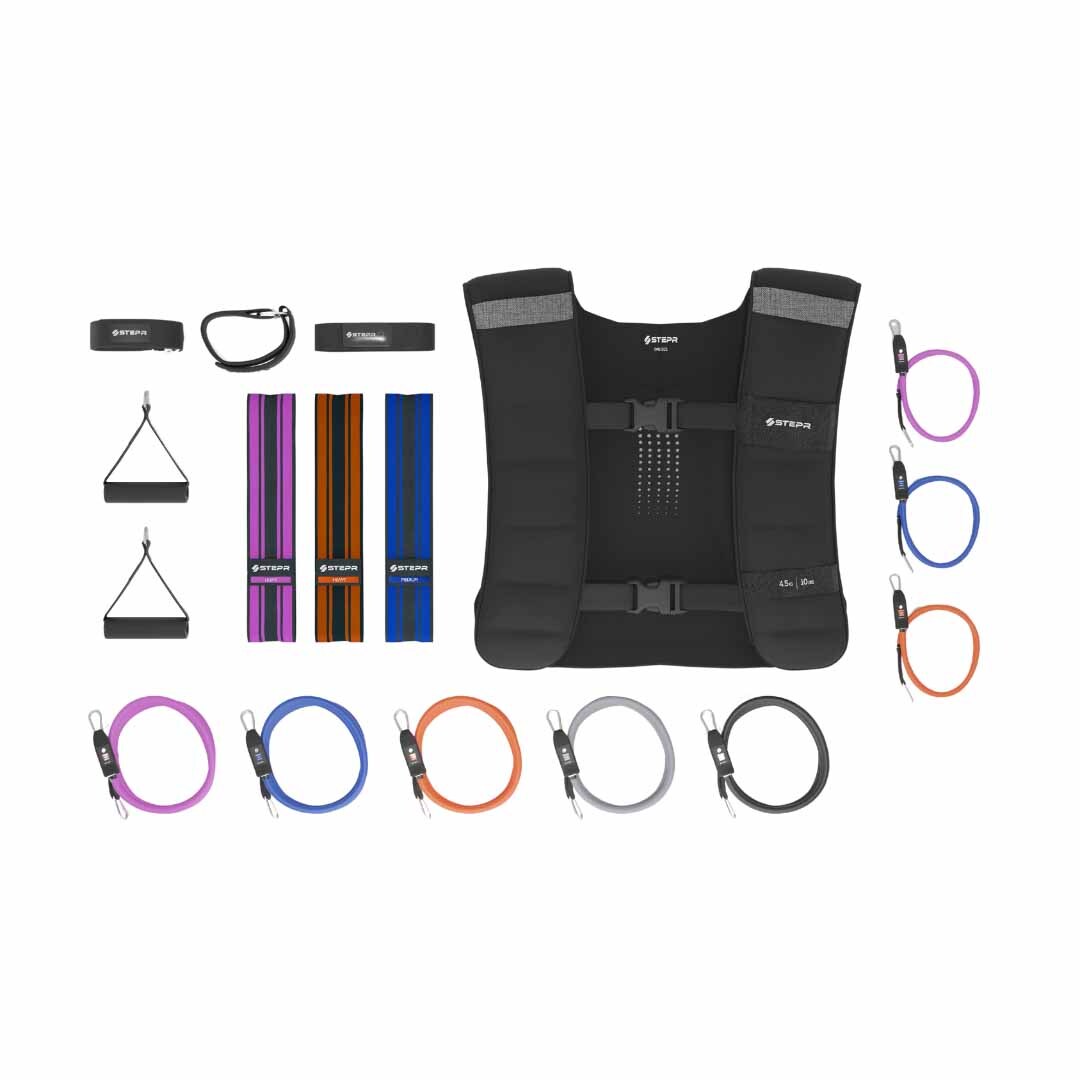
When you're ready to venture outside with your baby, the STEPR ALL-IN RUCK™ range transforms ordinary walks into joint friendly resistance training.
Postpartum Walking Clubs 2.0: Turn social walks with other mums into strength building sessions. Rucking is a natural movement that strengthens posture, acting as a reset after hours spent hunched over during feeding or carrying your baby.
Scalable Weight System: Start with just the 15L ALL-IN RUCK and a light load (approximately 10% of your body weight) during early postpartum recovery. Gradually increase weight as your strength returns and pelvic floor heals.
Comfort Focused Design: Deluxe padded shoulder straps and waist stabilizer belt keep weight close to your spine, protecting your back while you move, critical for postpartum recovery when core and back muscles need rebuilding.

Pregnancy and Postpartum Fitness FAQs:
Is it safe to use a stair climber while pregnant?
Stair climbing can be safe during pregnancy if you have medical clearance from your healthcare provider and an uncomplicated pregnancy. Research shows that moderate exercise, including stair climbing, provides significant benefits including reduced risk of preeclampsia and gestational diabetes. However, safety depends on several factors: your pregnancy stage (generally safer in first and second trimesters), your fitness level before pregnancy, and any pregnancy complications. The STEPR's controlled environment, stable platform, and handlebar support make it safer than outdoor stairs or gym environments. Always move slowly, use the handlebar for support, stay hydrated, and stop immediately if you experience pain, dizziness, bleeding, or unusual discomfort.
How does stair climbing help prepare for labour?
Stair climbing builds cardiovascular endurance and leg strength, both essential for the physical demands of labour. The exercise strengthens your glutes, quadriceps, and core muscles heavily engaged during pushing. Regular moderate exercise also improves your body's ability to manage stress and discomfort, which translates to better pain management during contractions. Some research suggests that stair climbing during early labour (once labour has already begun) may help dilate the pelvic floor muscles and encourage the baby to descend, though you should only do this under medical supervision.
Can I exercise if I'm breastfeeding?
Yes! Moderate exercise does not negatively affect breast milk quantity, quality, or your baby's growth. The key is staying well hydrated, drink plenty of water before, during, and after your workout. Some research suggests high intensity exercise might temporarily increase lactic acid in breast milk, creating a slightly sour taste some babies might reject, but this is rare and temporary. If you're concerned, nurse or pump before your workout, or time your workouts right after feeding. Exercise actually helps reduce postpartum depression symptoms and improves overall wellbeing, which supports successful breastfeeding.
What are the warning signs I should stop exercising postpartum?
Stop exercising immediately and contact your healthcare provider if you experience: vaginal bleeding (beyond normal lochia), severe abdominal pain, pelvic pressure or heaviness, urinary or faecal incontinence, pain in your C-section incision, severe pelvic girdle pain, dizziness or fainting, shortness of breath beyond normal exertion, or chest pain. These symptoms may indicate your body needs more recovery time before resuming exercise. Remember: some discomfort during recovery is normal, but pain is always a signal to stop and reassess.
Will the STEPR fit in a nursery or small apartment?
Absolutely. STEPR units are specifically designed for residential spaces. They fit through standard doorways and operate comfortably under regular 8ft ceilings, unlike commercial gym stair climbers that require industrial ceiling heights. The compact footprint means you can place it in a spare bedroom, converted nursery space, garage, or even a living area. Being able to exercise at home eliminates the biggest barrier busy new parents face: getting to the gym. You can fit in a workout during nap time without ever leaving your baby.
Can I use STEPR if I have diastasis recti (abdominal separation)?
Generally yes, with caution and medical clearance. Stair climbing primarily engages your legs and glutes rather than intensely targeting your core, making it safer than exercises like crunches or planks. However, you should: (1) Get assessed by a women's health physiotherapist to determine your diastasis severity, (2) Engage your deep core muscles (transverse abdominis) properly during exercise, (3) Avoid any movements that cause "doming" or bulging of your abdomen, and (4) Consider combining STEPR workouts with targeted core rehabilitation exercises. Many women successfully use STEPR as part of their diastasis recovery program under professional guidance.
What's the best fitness routine for a busy new mum?
The best routine is one you'll actually do consistently, which means short, efficient, at-home workouts. Aim for 20-30 minutes of moderate-intensity exercise most days of the week once medically cleared (150 minutes total per week per ACOG guidelines). The STEPR's time efficiency (22.3 calories/minute) means you can achieve results in the time your baby naps. Start with 10 minute sessions if that's all you can manage, consistency matters more than duration. Combine stair climbing 3-4 days per week with pelvic floor exercises and gentle core work. The connected touchscreen lets you stream entertainment, making the time pass quickly. Remember: any movement is better than no movement, so give yourself grace during this demanding season.
How do I stay motivated to exercise with a newborn?
Lower your expectations and redefine success. A 10 minute workout is a victory, it doesn't need to be 60 minutes to "count." Use the STEPR+ touchscreen to stream your favourite shows, making exercise feel like a mental break rather than another task. Connect with other new mums for virtual or in person workout accountability. Schedule workouts like important appointments rather than fitting them in "when you have time" (you'll never have time). Remember that exercise significantly reduces postpartum depression symptoms and improves energy, it's healthcare, not vanity. Even one 15 minute session during nap time will make you feel more like yourself. Progress over perfection, always.
Is STEPR covered by HSA/FSA for pregnancy related fitness?
Yes! STEPR is eligible for HSA/FSA reimbursement through TrueMed, allowing you to use pre tax healthcare dollars for your purchase. This is especially valuable during pregnancy and postpartum when exercise is medically recommended for preventing complications like gestational diabetes and postpartum depression. You may need a letter of medical necessity from your healthcare provider. Visit the STEPR HSA/FSA page for complete details and application process. Using HSA/FSA funds can significantly reduce your out of pocket cost, making professional-grade equipment more accessible during an expensive life phase.
What financing options are available for new parents?
STEPR offers flexible financing through Affirm with options from 0% APR over 12, 24, or 36 months (subject to credit approval). This means you can get championship grade fitness equipment without the full upfront cost, important when you're managing expenses for a new baby. Monthly payments make it easier to prioritize your health without financial stress. Many new parents choose financing to invest in their long term wellness while preserving cash reserves for baby expenses. Apply at checkout to see your personalized options.
Ready to Reclaim Your Strength?
Whether you're preparing for baby, actively pregnant, or navigating the postpartum journey, the STEPR ecosystem provides safe, effective, low impact fitness that adapts to your unique needs at every stage.
Explore the Full STEPR Range | Find out about VPR Technology | FREE STEPR Matchmaking Quiz | Discover More STEPR Blogs and Helpful Tips | Invest in STEPR
[Or Click the Button Below to Shop Now]

Disclaimer:
The information provided in this article is intended for general informational and educational purposes only and is based on publicly available research and statistics. It is not intended to replace professional medical advice, diagnosis, or treatment.If you are pregnant, recently postpartum, or have any underlying health conditions, you should consult with a qualified healthcare professional before beginning or continuing any exercise program. Every individual’s circumstances, health status, and recovery journey are different, and exercise recommendations should be tailored accordingly.
STEPR Blog posts
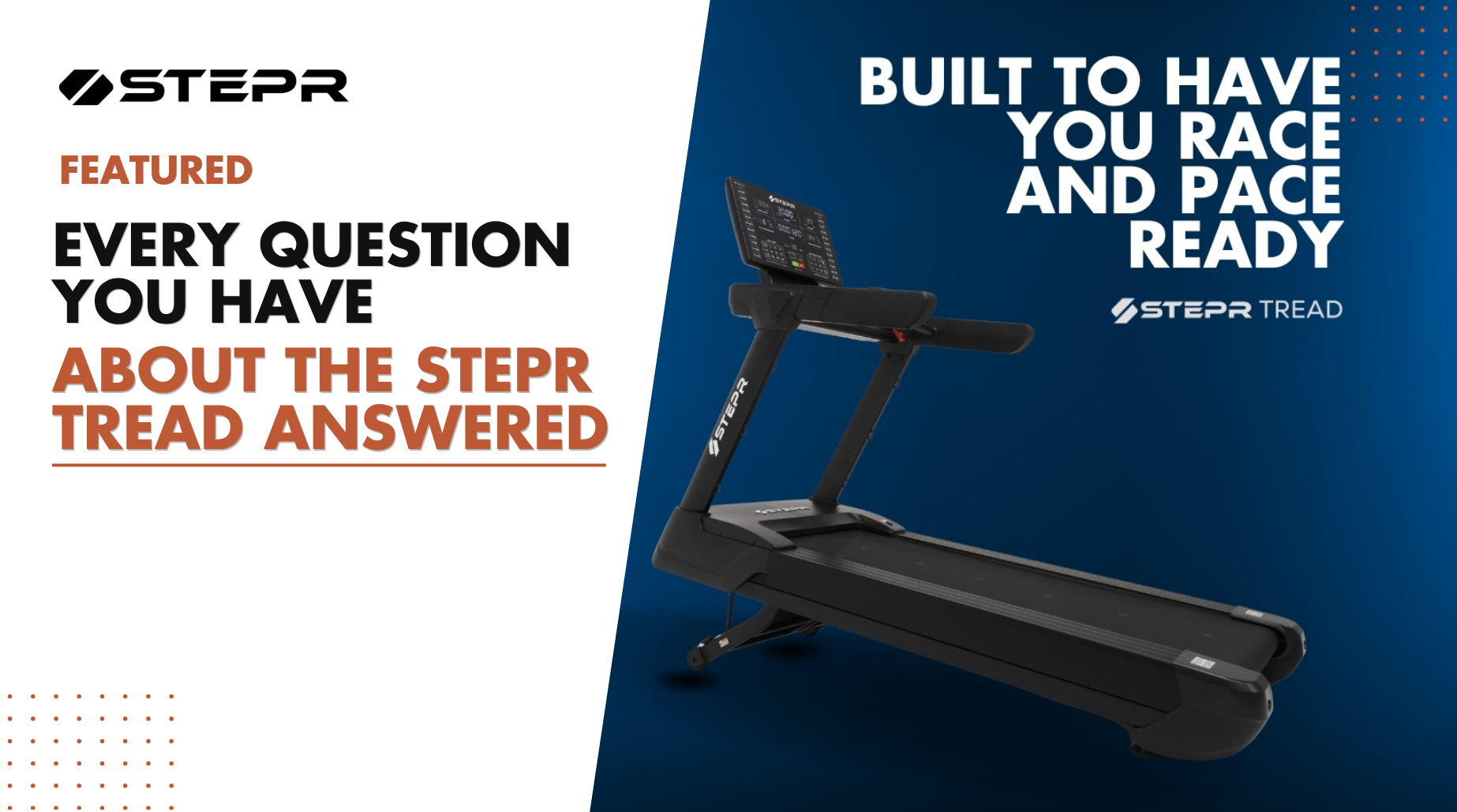
Every Question You Have About the STEPR TREAD Answered
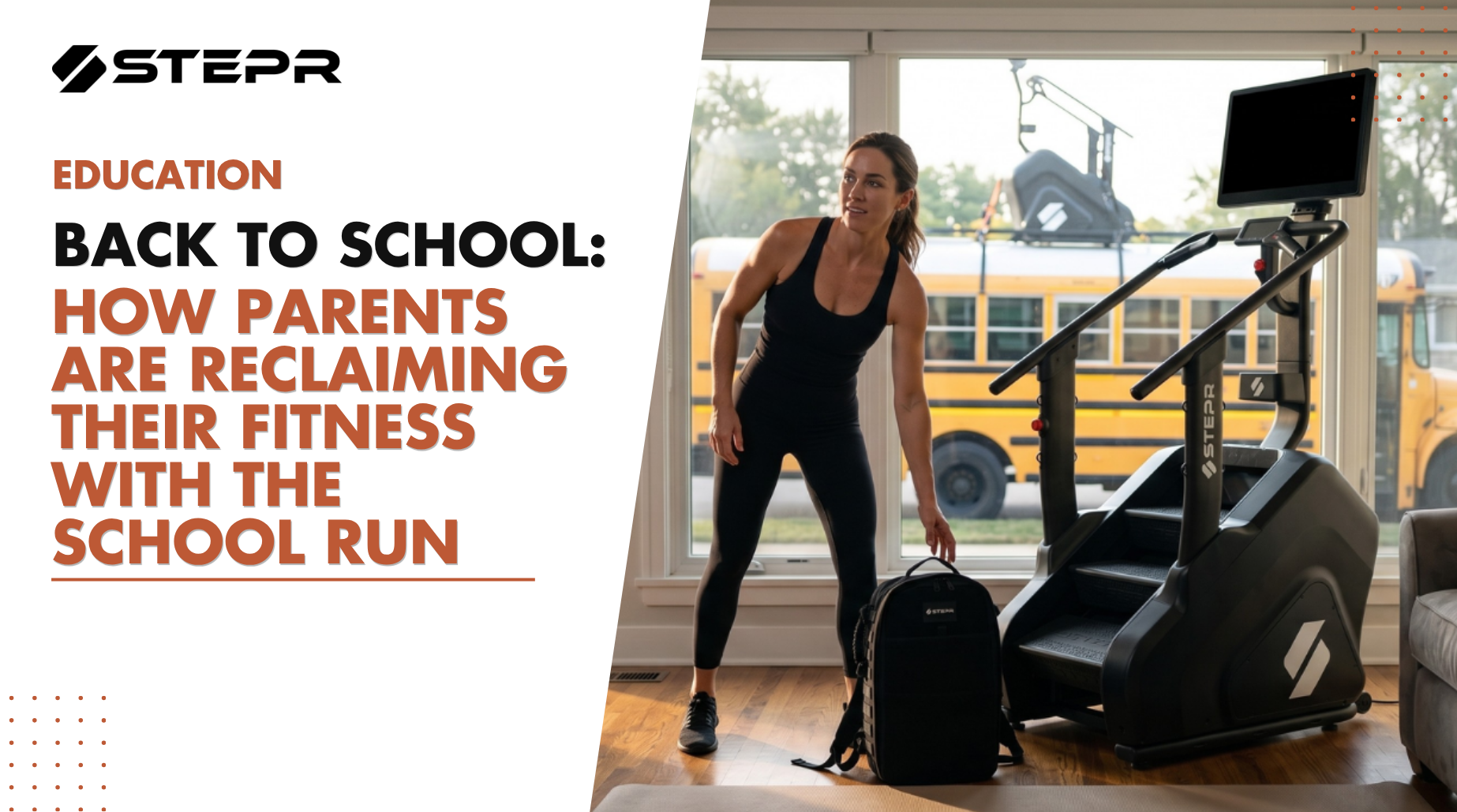
Back to School: How Parents Are Reclaiming Their Fitness With the School Run
The Equipment System Cameron Hanes and Joe Rogan Actually Workout With
Joe Rogan called it "the Echo Bike, but times two." Now Cameron Hanes is training with STEPR VPR™ in a hypoxic wellness studio. Here is what they are using and why the world's most relentless athletes keep choosing it.
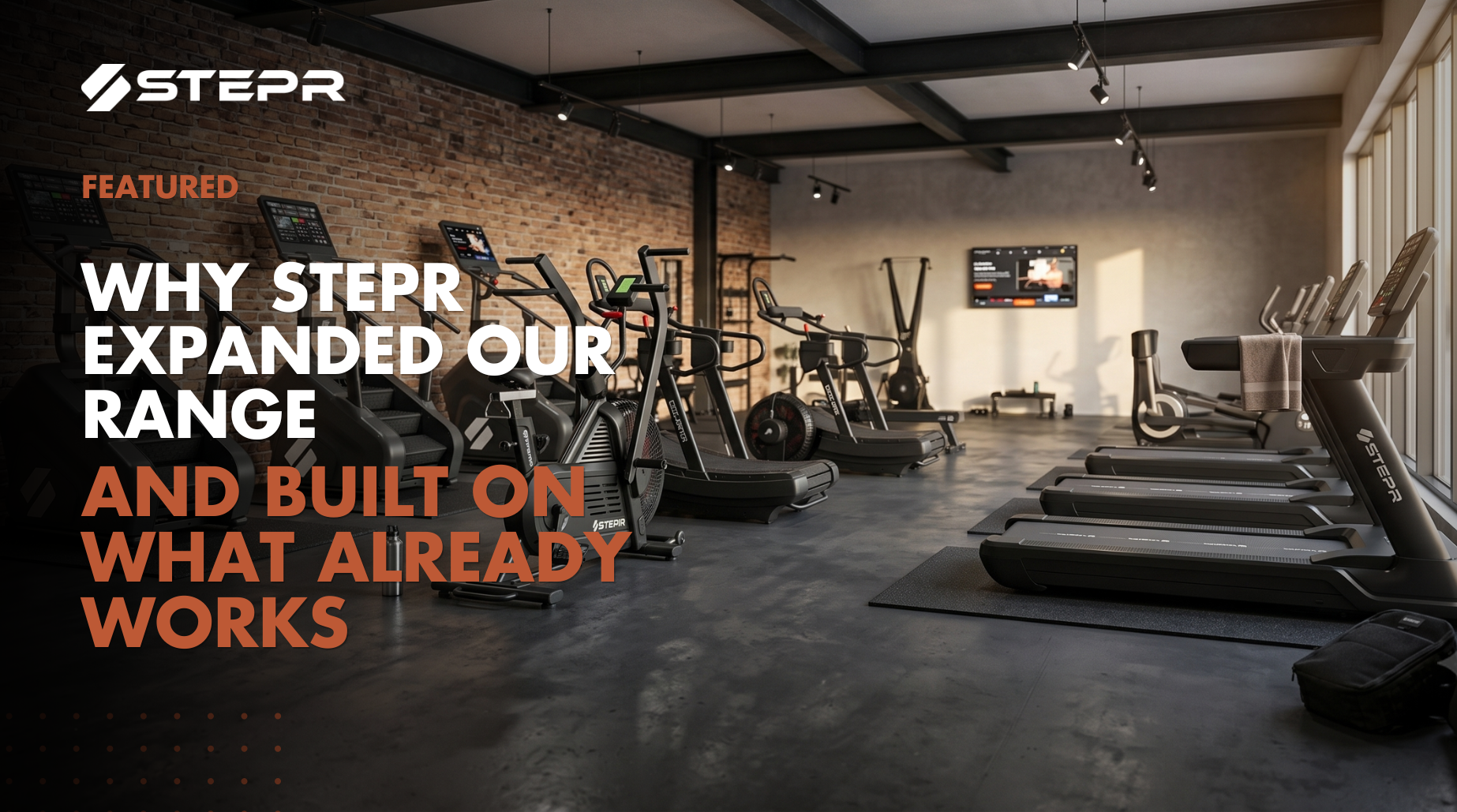
Why STEPR Expanded our Range and Built on What Already Works
STEPR was built on a simple premise: the most effective training modalities already exist. The question was never "what to invent from scratch" it was "how do we bring genuine innovation to what already works". Here is why the range looks the way it does.
Home Cardio Machines: Why Value Beats Price Every Time
Why the Stair Climber Is the Hybrid Athlete's Secret Weapon
STEPR Community Surpasses 500 Million Steps: A Milestone Worth Celebrating
Why the UFL Chose STEPR to Train Its Professional Athletes
The 45-7-6 Stair Climber Workout: What the Science Says
It's Our Anniversary: Celebrating STEPR's Biggest Birthday Yet
STEPR Partners with CrossFit Semi-Final Legends Championship in California